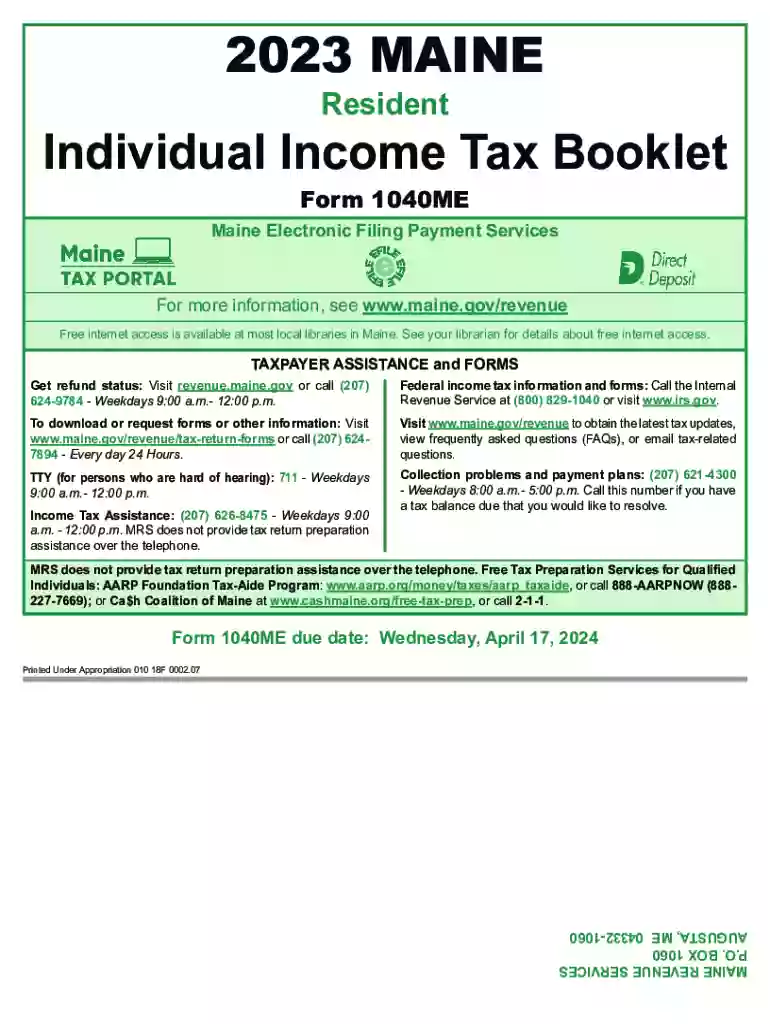
Definition and Meaning of Maine Electronic Filing Payment Services
Maine Electronic Filing Payment Services enable taxpayers in Maine to file and pay their taxes electronically. This service streamlines the process, offering convenience and efficiency for both individual taxpayers and businesses. It supports a range of tax-related transactions, allowing users to handle their obligations from any location with internet access. Key features include digital signatures, real-time payment processing, and automatic confirmation receipts, ensuring that users have immediate proof of their transactions. The platform is part of a broader effort to modernize tax administration in Maine, enhancing compliance and reducing errors in tax returns.
How to Use the Maine Electronic Filing Payment Services
- Access the Platform: Begin by visiting the official web portal designated for Maine’s Electronic Filing Payment Services.
- Create or Log In to Your Account: New users need to set up an account by providing basic information and setting up security credentials. Returning users can simply log in using their existing details.
- Fill Out Required Forms: Navigate to the appropriate tax forms and fill them out accurately. The platform provides step-by-step guidance to help users complete the forms without errors.
- Make a Payment: Once the forms are completed, proceed to the payment section where you can select your preferred payment method. Options typically include direct bank transfers and credit/debit card payments.
- Submit Your Filing: Double-check the information provided before submitting the forms and payment. Upon successful submission, users receive an electronic receipt for their records.
Important Terms Related to Maine Electronic Filing Payment Services
- Digital Signature: A secure way to sign documents electronically, providing the same validity and legal recognition as a handwritten signature.
- Payment Confirmation Receipt: An electronic document generated after a successful transaction, serving as proof of payment.
- Taxpayer Identification Number (TIN): A unique number assigned to taxpayers by the IRS, used to track tax obligations and filings.
- Electronic Funds Transfer (EFT): A method of transferring money from one bank account to another electronically.
- Overpayment: Occurs when a taxpayer pays more than the amount due, often resulting in a credit or refund.
Steps to Complete the Maine Electronic Filing Payment Services
- Gather Necessary Documents: Have all required tax documents and identification numbers ready, including previous year's returns, if applicable.
- Review Filing Requirements: Confirm the types of taxes applicable to your situation, which may include income tax, business taxes, or other state-specific obligations.
- Enter Information Accurately: Use the platform’s form to input data such as income, deductions, and credits. The built-in error-checking feature will flag discrepancies.
- Verify Information: Review all entries for accuracy to avoid mistakes that could delay processing or result in penalties.
- Complete Payment Section: Choose your payment method and ensure you have the necessary funds available to cover the tax liabilities.
- Submit and Confirm: Submit your filing and payment. An automatic confirmation email or portal message will confirm the successful processing of your transaction.
Who Issues the Maine Electronic Filing Payment Services
The Maine Revenue Services (MRS) issues and maintains the Maine Electronic Filing Payment Services. MRS is responsible for the administration and enforcement of the state’s tax laws. They ensure that the electronic filing system facilitates accurate tax collection while providing support and resources for taxpayers. The service is part of Maine’s commitment to offering efficient and modern solutions for tax compliance and revenue collection.
Legal Use and Compliance of the Maine Electronic Filing Payment Services
Utilizing the Maine Electronic Filing Payment Services comes with specific legal and compliance requirements:
- Timely Filing and Payment: Taxpayers must ensure their electronic submissions and payments are completed by specified deadlines to avoid penalties.
- Adherence to State Tax Laws: Users must comply with all applicable Maine tax laws, which include accurate reporting of income and expenses.
- Data Protection Measures: Users are responsible for safeguarding their personal data and should only use secure networks to access the e-filing platform.
- Audits and Records: Taxpayers must retain records and receipts of their electronic filings for potential audits and in compliance with state requirements.
Filing Deadlines and Important Dates for Maine Electronic Filing Payment Services
- Income Tax Filing Deadline: Generally set for April 15, unless extended due to holidays or special circumstances.
- Quarterly Estimated Tax Payments: For those required to prepay taxes, deadlines typically fall in April, June, September, and January.
- Sales and Use Tax Returns: Due monthly, quarterly, or annually based on the business’s filing status and volume.
- Extension Deadlines: Taxpayers seeking additional time to file must submit an extension request by the original filing deadline.
Required Documents for Maine Electronic Filing Payment Services
To complete the electronic filing process, gather all relevant documents:
- Previous Year's Tax Return: Useful for reference and ensuring consistency in reporting.
- Income Documentation: W-2s, 1099s, and other proof of income forms.
- Deductions and Credits: Documentation supporting claimed deductions and credits, such as mortgage interest, tuition payments, or business expenses.
- Identification Numbers: Social Security Number (SSN) or Employer Identification Number (EIN), as applicable.