
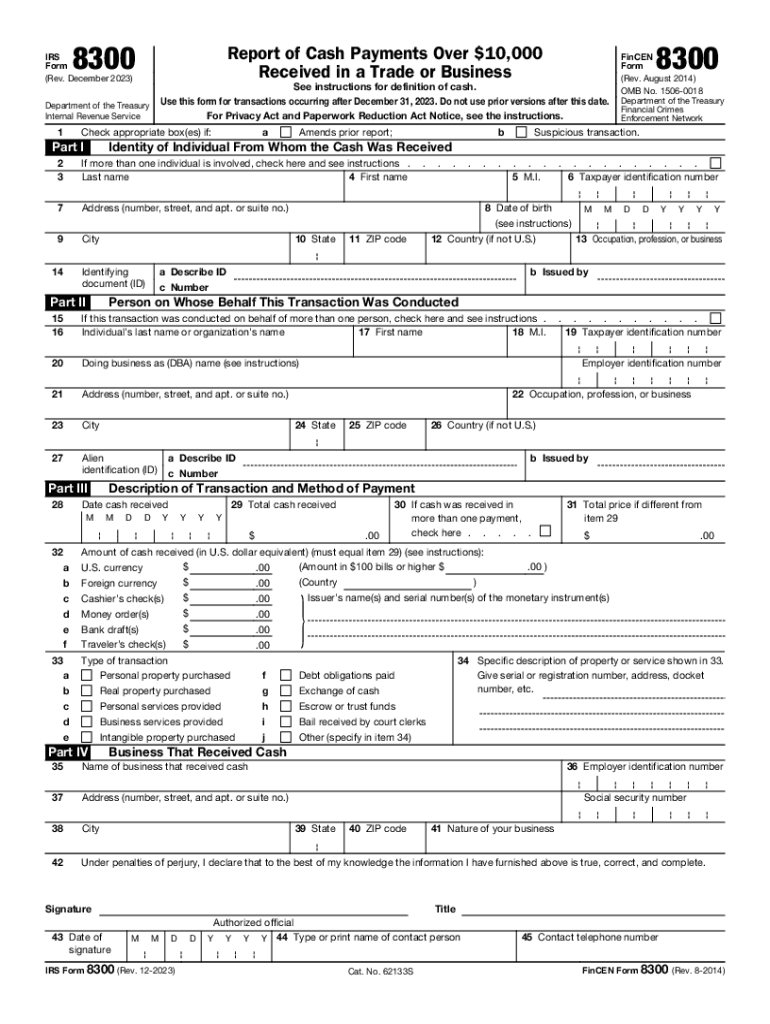







Definition and Meaning
The "11 3 22 Disclosure to Certain Federal Officers and" form is a formal document used to report specific financial or legal information to federal authorities. The primary purpose of this form is to ensure compliance with federal regulations by disclosing necessary information to designated federal officers. This disclosure often involves financial transactions, regulatory compliance, or certain legal responsibilities that a business or individual needs to communicate officially.
Purpose and Scope
- Ensures transparency and legal compliance with federal standards.
- Used to report significant transactions or activities that might interest federal oversight.
- Helps organizations avoid legal and financial penalties by adhering to disclosure requirements.
Real-World Application
Imagine a business that has to disclose significant cash transactions to prevent money laundering. This form allows them to provide detailed information to the relevant authorities, mitigating the risk of legal repercussions.
How to Use the 11 3 22 Disclosure to Certain Federal Officers and
Understanding how to correctly fill out and submit this form is crucial for compliance.
Form Completion Process
- Identify Required Information: Gather all necessary details, including transaction specifics, parties involved, and any supporting documents.
- Form Filling: Carefully enter all required data in the appropriate sections. Double-check for any errors or omissions.
- Submission: Depending on the guidelines, forms can be submitted online or via mail.
Practical Tips
- Ensure all figures are accurate to avoid discrepancies.
- Maintain a copy of the submitted form for your records.
Steps to Complete the 11 3 22 Disclosure to Certain Federal Officers and
Completing this form involves a series of meticulous steps to ensure compliance and accuracy.
Detailed Completion Steps
- Review Instructions: Start with a thorough review of the accompanying instructions.
- Enter Personal Information: Fill in personal or corporate identifiers like names and address.
- Provide Transaction Details: Clearly outline the nature and scope of the disclosure.
- Verify Entries: Double-check all entries for accuracy and completeness.
- Attach Necessary Documents: Include any supplemental documentation as required.
- Finalize and Submit: Ensure all sections are complete before submission.
Common Mistakes to Avoid
- Missing required fields
- Incorrect or outdated information
- Failing to include necessary attachments
Legal Use of the 11 3 22 Disclosure to Certain Federal Officers and
Legal compliance is a fundamental aspect when dealing with this form.
Mandatory Compliance Requirements
- It serves as a benchmark for legal and regulatory compliance.
- Omitting or falsely declaring information can lead to penalties or legal actions.
Scenario Example
Consider a scenario where a company needs to report significant cash receipts. The legal obligation to disclose these transactions through this form protects both the company and the public interest.
Key Elements of the 11 3 22 Disclosure to Certain Federal Officers and
Understanding the critical components of the form is essential for accurate completion.
Essential Components
- Personal/Entity Information: Identifying details of the entity filing the form.
- Transaction Details: Specifics about the transaction or event being disclosed.
- Authorization and Signatures: Attestations confirming the authenticity of the provided information.
In-Depth Look
Each element of the form should be looked at in detail to ensure that the disclosure meets the required standards and criteria set by the federal authority.
Important Terms Related to 11 3 22 Disclosure to Certain Federal Officers and
Familiarity with important terms related to this form can aid in its accurate completion.
Frequently Used Terminology
- Disclosure: The act of making known the specific details requested.
- Compliance: Adherence to established guidelines and regulations.
- Federal Officer: The designated authority responsible for receiving and processing the form.
Example in Context
If the term "disclosure" refers to financial reporting, understanding the range of financial activities involved is crucial for complete and compliant reporting.
IRS Guidelines
The Internal Revenue Service (IRS) provides specific guidelines for the use and submission of this form.
Key IRS Recommendations
- Follow the latest instructions detailed by the IRS for timely and correct submission.
- Be aware of any updates or changes in regulations that may affect form completion.
Application to Scenarios
Adhering closely to IRS guidelines can prevent any misinterpretation that might arise from ambiguous filing situations, ensuring smooth processing and acceptance of the form.
Penalties for Non-Compliance
Understanding the implications for failing to comply with this form's requirements is vital for compliance.
Consequences of Non-Compliance
- Fines: Monetary penalties for failing to disclose or for inaccurate reporting.
- Legal Actions: Potential lawsuits or legal consequences resulting from non-disclosure.
- Reputational Damage: Loss of credibility and trust if discovered to be non-compliant.
Case Studies
Consider a business penalized for failing to report a significant transaction due to oversight. Their failure to comply led to substantial fines and legal scrutiny, highlighting the importance of thorough reporting.




