




Here's how it works
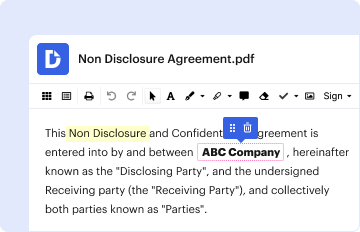
01. Edit your form online
Type text, add images, blackout confidential details, add comments, highlights and more.
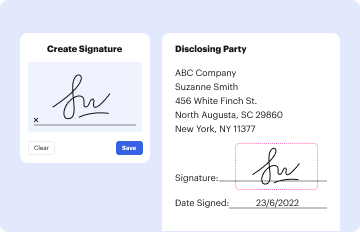
02. Sign it in a few clicks
Draw your signature, type it, upload its image, or use your mobile device as a signature pad.

03. Share your form with others
Send it via email, link, or fax. You can also download it, export it or print it out.
How to use or fill out International Fuel Tax Agreement (IFTA) Tax Return Information and Instructions with our platform

- Click ‘Get Form’ to open the International Fuel Tax Agreement (IFTA) Tax Return in the editor.
- Begin by filling in Line 1, selecting the quarter you are reporting. Ensure accuracy as this is crucial for compliance.
- In Line 2, mark an ‘X’ in applicable boxes. If you had no operations, remember to file a return regardless of activity.
- For Line 3, enter the fuel type abbreviation and total miles traveled. Use whole numbers for miles and gallons.
- Proceed to Line 4, where you will input jurisdiction-specific data including total miles and taxable gallons for each area traveled.
- Complete Lines 5 through 10 by calculating totals and penalties as instructed, ensuring all figures are accurate before submission.
Start using our platform today to streamline your IFTA tax return process for free!
Fill out International Fuel Tax Agreement (IFTA) Tax Return Information and Instructions online
It's free
It's free
See more International Fuel Tax Agreement (IFTA) Tax Return Information and Instructions versions
We've got more versions of the International Fuel Tax Agreement (IFTA) Tax Return Information and Instructions form. Select the right International Fuel Tax Agreement (IFTA) Tax Return Information and Instructions version from the list and start editing it straight away!
Got questions?
We have answers to the most popular questions from our customers. If you can't find an answer to your question, please contact us.
Contact us
How does the International Fuel Tax Agreement work?
The International Fuel Tax Agreement (IFTA) is an arrangement among U.S. states and Canadian provinces. Taxes are paid on motor fuels, and IFTA allows commercial motor carriers to register in one state and have these tax assessments paid out to all participating areas according to their fair share.
What are IFTA reporting requirements?
What are the IFTA Requirements? Registration with base jurisdiction - The QMV must be registered in your base jurisdiction (where your business is located) and must have obtained an IFTA license, if applicable. Record Keeping - You must maintain the records of your business within the base jurisdiction.
What is the IFTA International Fuel Tax Agreement?
IFTA is an agreement among states in the United States and provinces in Canada that simplifies the fuel use tax reporting for motor carriers that travel both inside and outside California.
How to figure out ifta tax?
How to calculate IFTA tax Track Total Miles Driven in Each Jurisdiction. Record the miles driven in each state or province using trip logs, odometer readings, or GPS tracking. Calculate Overall Fuel Mileage. Determine Fuel Consumed per Jurisdiction. Apply the Jurisdictions Tax Rate. Reconcile Tax Paid and Tax Owed.
What is the IFTA sticker for?
The purpose of IFTA is to establish and maintain a single fuel tax license for all of your qualified motor vehicles, authorizing them to travel in all IFTA jurisdictions, requiring you to file only one tax return each quarter with your base jurisdiction to report your fuel usage and mileage for all IFTA member states
Security and compliance
At DocHub, your data security is our priority. We follow HIPAA, SOC2, GDPR, and other standards, so you can work on your documents with confidence.
Learn more


People also ask
What vehicles are exempt from IFTA?
Whos exempt From IFTA reporting? Owned by government entities or political subdivisions. School or charter buses. Special mobile equipment. Farm vehicles or non-highway vehicles. Recreational vehicles. Temporary or dealer-registered plates. Tow trucks.
What vehicles qualify for IFTA?
IFTA reporting rules and regulations Vehicles qualifying for IFTA include: Vehicles with a gross or registered gross weight over 26,000 lbs. Three-axle vehicles regardless of weight. Vehicles in combination exceeding 26,000 lbs.
Why do I have to pay IFTA?
The International Fuel Tax Agreement (IFTA) was created to make transferring fuel taxes between states and provinces easier. Operators only have to report their fuel usage to their base jurisdictions, and they will collect and distribute taxes on net fuel consumption to other jurisdictions.