
Owner occupied form 2026

Get Form
declaration owner occupied Preview on Page 1

Here's how it works

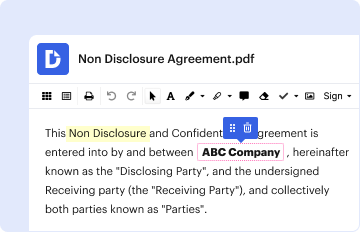
01. Edit your declaration owner occupied online
Type text, add images, blackout confidential details, add comments, highlights and more.
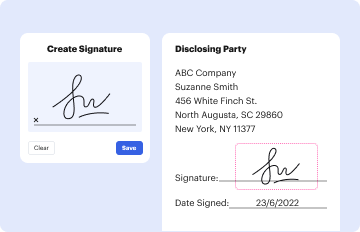
02. Sign it in a few clicks
Draw your signature, type it, upload its image, or use your mobile device as a signature pad.
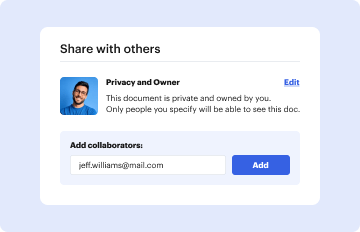
03. Share your form with others
Send ri owner via email, link, or fax. You can also download it, export it or print it out.

How to use or fill out owner occupied form with our platform

Form edit decoration
9.5
Ease of Setup
DocHub User Ratings on G2
9.0
Ease of Use
DocHub User Ratings on G2
  1. Click ‘Get Form’ to open the owner occupied form in the editor.
  2. Begin by filling in your name at the top of the form, ensuring you include your last name, first name, and middle initial.
  3. Provide your residence details, including Apt. or Unit number, street address, city (Providence), and zip code.
  4. List any other properties you own in different cities or states. If none, mark N/A in the provided boxes.
  5. Detail any vehicles registered under your name in other locations. Again, if you do not own a vehicle, indicate N/A.
  6. Check all applicable boxes confirming ownership and residency status before signing the form.
  7. Finally, provide your signature and print your name along with contact information. Ensure to have a notary witness if required.

Start using our platform today to easily complete your owner occupied form for free!

See more owner occupied form versions

We've got more versions of the owner occupied form form. Select the right owner occupied form version from the list and start editing it straight away!
Versions Form popularity Fillable & printable
2018 4.8 Satisfied (77 Votes)
be ready to get more

Complete this form in 5 minutes or less

Get form

Got questions?

We have answers to the most popular questions from our customers. If you can't find an answer to your question, please contact us.
Contact us

Upload your ri owner to DocHub (once you’ve created an account for this). If you need to complete fields in it, use appropriate tools from the upper pane. For example, add Signature Fields, assign each to a particular person, and click on Sign → Request signatures from others. Personalize your message for your recipients and click Send Request. You can also send your document by fax or as a Signing link instead of using email (you’ll find these options by navigating to the Menu → Send)

If your go-to electronic mail service is Gmail, it is simple to integrate your DocHub editor in your work. Modify your declaration owner occupied with DocHub instruments and attach it to your drafts in Gmail. See how easy it is to exchange files and work together with a swift PDF editing solution at hand.

The Bottom Line A non-owner-occupied property is one in which the owner does not occupy the property. Non-owner-occupied properties have higher loan rates than properties that are owner occupied.
It helps to know that owner-occupied property refers to a property where the title holder and owner uses the home as their primary residence. For example, an owner of a large home who rents out spare rooms to tenants while living on the main floor of the house has an owner-occupied property.
Use public records and property databases When in doubt, go straight to the source: public records. Most counties and municipalities maintain databases or records of who owns what property, and these are some of the most reliable and verified ways to find out who owns a specific location.

Security and compliance

At DocHub, your data security is our priority. We follow HIPAA, SOC2, GDPR, and other standards, so you can work on your documents with confidence.

Learn more
ccpa2
pci-dss
gdpr-compliance
hipaa
soc-compliance

People also ask

Owner-occupancy refers to the concept of living in the home that you own. It is crucial information from the lenders point of view because if you werent planning to live at the home you were purchasing or refinancing, you would be classed as an absentee owner.
To qualify for an owner-occupied permit, the owner of the property must permanently reside at the property and be a natural person or persons. LLCs, corporations, trusts, partnerships, joint ventures and other entities are ineligible for owner-occupied permits.
Owner-occupied property is a piece of real estate in which the person who holds the title (or owns the property) also uses the home as their primary residence. The term owner-occupied is commonly associated with real estate investors who live in a property and rent out separate units to tenants.

Related links