





Definition and Meaning of Vibir
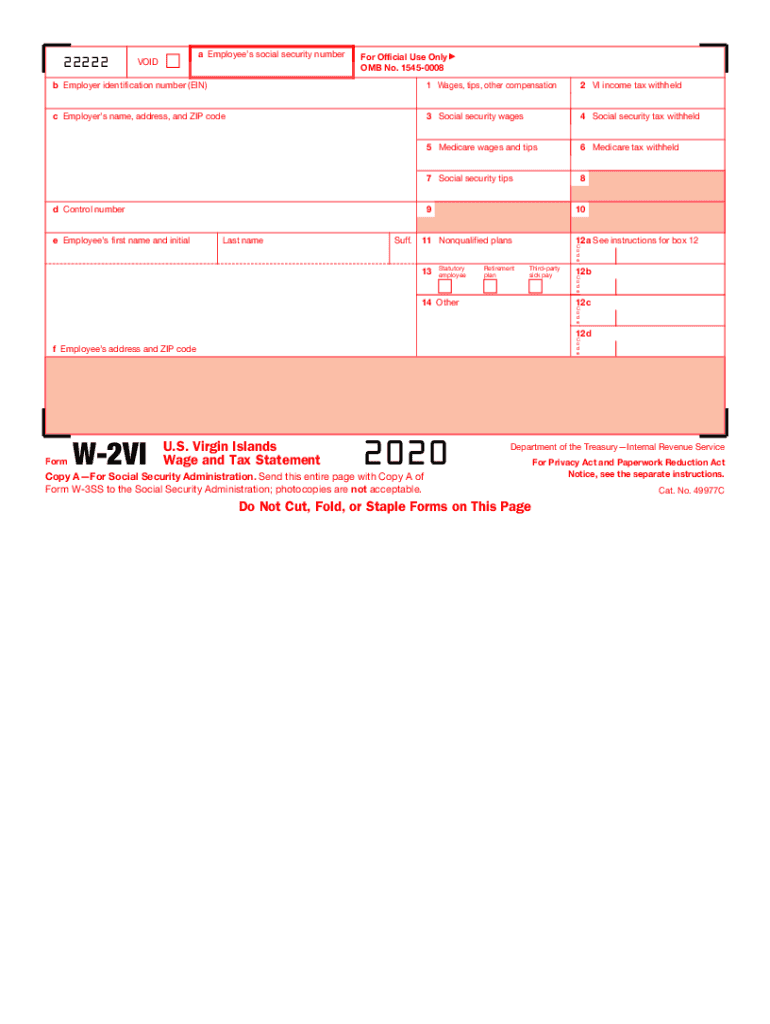
The "vibir" form is a crucial document used in various contexts, typically associated with a specific procedure or regulatory need. Although less commonly recognized than forms like the W-2 or 1099, the vibir plays a significant role in formal compliance and documentation within certain industries or legal frameworks. Understanding its purpose is essential for correct application and compliance.
Importance of Defining Vibir
- Clarification: Knowing what vibir stands for or represents helps users understand its purpose and applicability.
- Context: Provides insights into why the form is needed and what it aims to achieve.
- Legal Obligations: A clear definition is crucial as it may relate to various legal or regulatory requirements specific to certain jurisdictions.
How to Use the Vibir
To effectively use the vibir form, one must first understand its core components and intended purpose. Typically, it serves as a tool for reporting, applying, or certifying specific information to meet legal or operational standards.
Steps for Effective Use
- Identify Needs: Determine whether the vibir is required based on your specific circumstances or organizational needs.
- Form Completion: Fill out the document accurately, ensuring that all needed information is provided.
- Verification: Double-check all entries for accuracy and completeness before submission.
- Submission: Depending on the nature of the form, submit it through the required channels, be it online, via mail, or in person.
Common Use Cases
- Regulatory Compliance: Satisfying legal requirements for certain activities or transactions.
- Reporting Needs: Submitting necessary information to relevant authorities or institutions.
- Operational Documentation: Using the form as part of routine processes or internal audits.
Steps to Complete the Vibir
Completing the vibir requires attention to detail and understanding of the form's requirements. Each section of the form must be filled out correctly to avoid rejections or legal complications.
Key Steps in Form Completion
- Gather Necessary Information: Collect all information needed to complete the form, such as personal details, financial data, or business information.
- Accurate Entry: Input all requested information accurately, following instructions provided on the form.
- Attaching Supporting Documents: Attach any required documents or evidence necessary to substantiate the form's contents.
- Review: Verify all entries to ensure there are no errors or omissions before submission.
Tips for Successful Completion
- Follow Instructions: Adhere strictly to any guidelines provided for filling out the form.
- Use Correct Formats: Ensure that data entry follows the correct format and units specified (e.g., currency, dates).
- Seek Assistance: If uncertain, consult professionals or relevant authorities to assist with form completion.
Why You Should Use the Vibir Form
The primary reason to utilize the vibir form lies in its utility for compliance and documentation. It serves as an official record, which can be critically important in legal, financial, or administrative frameworks.
Benefits of Using Vibir
- Legal Protection: Ensuring compliance with relevant laws reduces the risk of penalties or legal challenges.
- Efficiency: Streamlines the documentation process, facilitating smoother operations within organizations or transactions.
- Transparency: Provides a clear and verifiable record of information exchange or declarations.
Considerations for Use
- Mandatory Nature: Understand when the use of vibir is compulsory and the potential repercussions of neglecting its completion.
- Updated Information: Use the most current version of the form to ensure all legal and topical updates are integrated.
Key Elements of the Vibir
Understanding the structure and required components of the vibir is paramount for correct completion and processing. Key elements typically include various sections dedicated to distinct types of data or declarations.
Main Components
- Personal Details: Identification information such as name, address, and contact details.
- Subject-specific Data: Information related to the specific purpose of the form, such as financial figures, legal declarations, or business metrics.
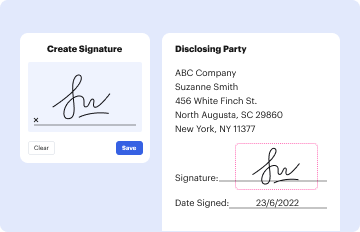
- Signatures and Dates: Spaces for authenticating the document, typically with personal or organizational signatures and submission dates.
Detailed Breakdown
- Instructions Section: Often provided at the beginning or end to guide users in how to fill out the form properly.
- Contact Information: Critical for follow-ups or clarifications, ensuring a responsive communication channel.
Legal Use of the Vibir
The vibir must be used in accordance with legal guidelines, which may vary depending on its application context or jurisdiction.
Legal Compliance
- Adherence to Regulations: Ensure that the form meets the standards set by relevant legal or regulatory bodies.
- Authorized Signatories: Verify that those completing and signing the form are duly authorized to do so.
- Retention for Audits: Keep completed forms and any related documentation accessible for audits or inquiries by legal authorities.
Digital vs. Paper Version of Vibir
The emergence of digital documentation practices offers alternatives to traditional paper vibir forms. Users have the flexibility to choose between these options depending on their convenience and the requirements of the form.
Advantages of Digital Forms
- Efficiency: Faster completion and submission processes, often with integrated error-checking features.
- Accessibility: Easily accessible from various devices, facilitating remote or off-site completion.
- Environmental Impact: Reduces paper usage and physical storage requirements.
Advantages of Paper Forms
- Familiarity: Some users prefer traditional methods, finding them easier or more familiar.
- Physical Record: Provides a tangible copy, which some consider more secure or reliable for their records.
Software Compatibility for Vibir
The ability to use software platforms in conjunction with the vibir offers enhanced functionality and streamlined processes.
Compatible Software Platforms
- Accounting Software: Integration with software like QuickBooks for managing financial data entries.
- Tax Preparation Tools: Compatibility with platforms like TurboTax for financial reporting related forms.
- Document Management Systems: Use with systems like DocHub for digital completion and storage.
Functional Benefits
- Seamless Workflow: Enhances efficiency in completing, storing, and retrieving form-related data.
- Error Reduction: Automated verification processes help minimize entry errors or inconsistencies.
- Collaboration: Enables easy sharing and collaborative completion among multiple users or stakeholders.