Do police take identity theft seriously?
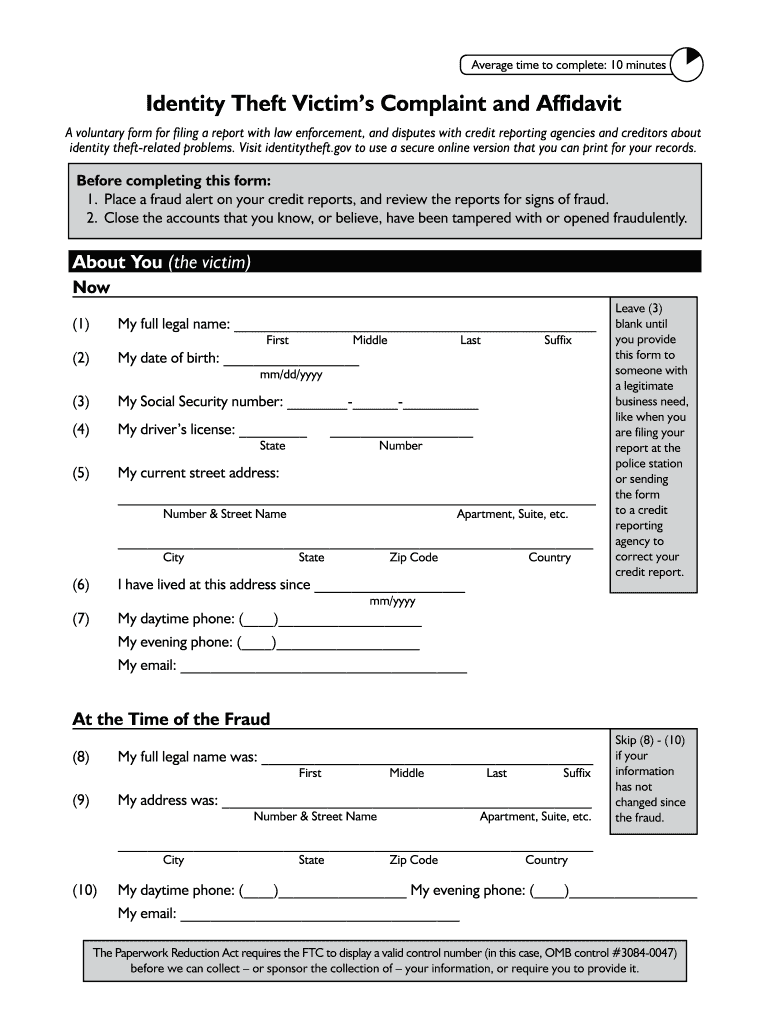
Police reports play an important role when identity theft occurs. They can play a crucial role in disputing incorrect information your credit report, or in filing a complaint with a regulatory agency (like the Consumer Protection Financial Bureau or the Federal Trade Commission), or completing a fraud affidavit.
What evidence is needed for identity theft?
To prove identity theft, you must document fraudulent activity (bills, accounts, IRS notices), file a report with the FTC at IdentityTheft.gov, and obtain a Police Report, providing these official documents (FTC Report, ID, Address Proof) to creditors and credit bureaus to dispute charges and clear your name, keeping meticulous records of everything. Steps to Prove Identity Theft Gather Evidence of Fraud: Collect bills for items you didnt buy, debt collection calls for unknown accounts, or credit reports showing accounts/loans you didnt open. Look for IRS notices (tax returns rejected, W-2s from unknown employers) or other official communications about activity you didnt initiate. Report to the FTC: Go to IdentityTheft.gov, the official U.S. government website, to report the theft and create your personalized Identity Theft Report. File a Police Report: Take your FTC Report, government ID, and proof of address (utility bill, lease) to your local police department to file a criminal report. This report is crucial for other agencies. Notify Creditors Bureaus: Send copies of your FTC Report and Police Report to creditors where fraud occurred and to the credit bureaus (Experian, Equifax, TransUnion). Fill out and submit fraud affidavits (like the FTC ID Theft Affidavit) as requested by creditors. Keep Detailed Records: Log every call (date, time, name, organization) and keep copies of all correspondence (letters, emails). Key Documents Needed Your FTC Identity Theft Report Your Government-Issued Photo ID: (drivers license, passport) Proof of Address: (utility bill, mortgage statement) The Police Report Evidence of Fraud: (bills, notices, credit reports) AI can make mistakes, so double-check responsesIdentityTheft.gova copy of your FTC Identity Theft Report. a government-issued ID with a photo. proof of your address (mortgage statement, rental aIdentityTheft.govIdentity theft | USAGovJul 22, 2025 Bills for items you did not buy. Debt collection calls for accounts you did not open. Information on your credit reporUSA.gov
How to prove identity theft in court?
Financial Statements: Bank records showing unauthorized transactions can be pivotal in proving that the defendant used someone elses identity for financial gain. Credit Card Records: These records can reveal unauthorized purchases or cash advances, directly linking the accused to fraudulent activity.