





Definition & Meaning
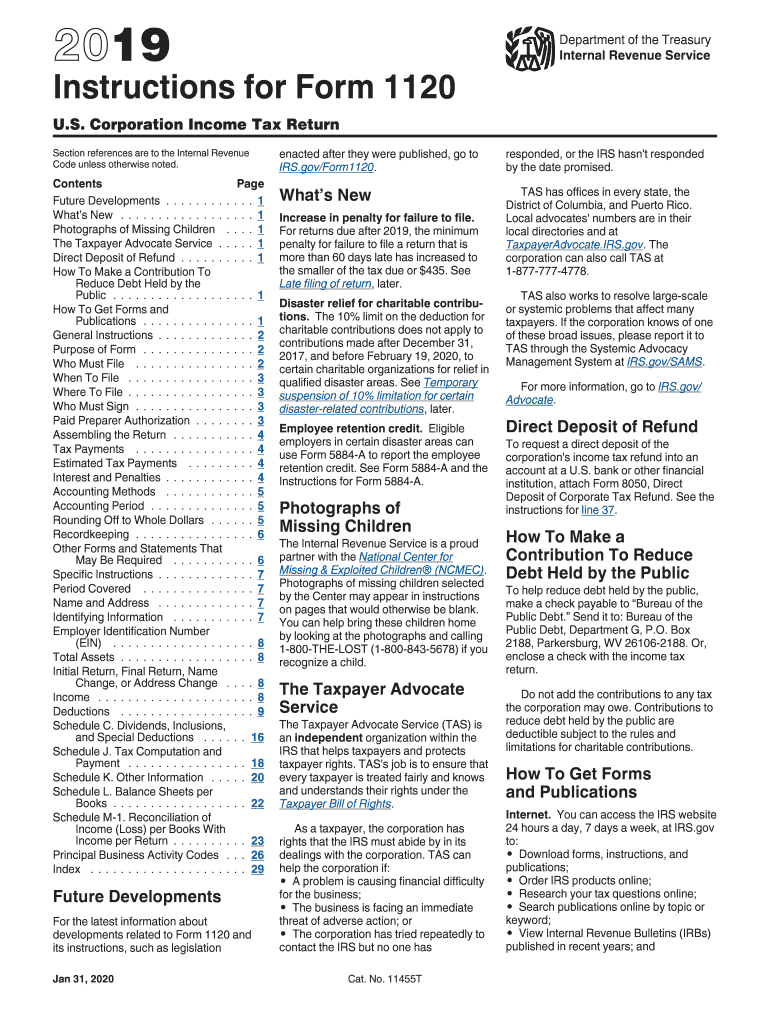
Corporate tax rates refer to the percentage of corporate income that businesses must pay to federal or state governments as part of their tax obligations. These rates directly impact a company's taxable income, influencing the amount of money that corporations retain after taxes. In the United States, corporate tax rates are a significant aspect of fiscal policy and contribute to government revenue. They are typically determined by the Internal Revenue Service (IRS) and vary based on the type of corporation and income levels. Understanding corporate tax rates is crucial for corporate finance planning and compliance with tax regulations.
How to Use the Corporate Tax Rates
Corporations utilize corporate tax rates to calculate their tax liability. This process involves applying the appropriate tax rate to the taxable income, which is the corporation's gross income minus allowable deductions. Corporations often engage tax professionals to ensure accurate calculations and compliance. The correct application of corporate tax rates is essential for preparing accurate financial statements and tax filings. Additionally, businesses use corporate tax rates in strategic planning, influencing decisions related to investment, expansion, and pricing to maintain profitability while fulfilling tax obligations.
Steps to Complete Corporate Tax Rates
- Determine Gross Income: Start by calculating the corporation's total income from all sources.
- Identify Deductions: List all eligible deductions, including business expenses, cost of goods sold, and any qualifying credits.
- Calculate Taxable Income: Subtract total deductions from gross income to determine the taxable income.
- Apply the Tax Rate: Use the appropriate corporate tax rate to calculate the liability on the taxable income.
- File Tax Return: Prepare and submit the IRS Form 1120 or a relevant state form by the required deadline.
These steps require meticulous recordkeeping and may involve consultation with tax advisors to ensure compliance with current tax laws.
Key Elements of the Corporate Tax Rates
- Tax Rates: Varied according to federal and state regulations, impacting income levels differently.
- Deductions and Credits: Essential for reducing taxable income and maximizing corporate profitability.
- Filing Requirements: Corporations must meet specific criteria and deadlines for tax returns.
- IRS Form 1120: Primary form used to report corporate income, deductions, and credits.
Understanding these elements helps corporations manage their financial obligations efficiently and in compliance with legal requirements.
State-Specific Rules for Corporate Tax Rates
Corporate tax rates can differ significantly from state to state, often due to varying tax policies and economic strategies. States may impose additional taxes or offer incentives to attract certain businesses. For example, some states like Texas and Washington do not levy a corporate income tax, while others, such as California and New York, have higher rates. To navigate state-specific rules, corporations need to be aware of local tax regulations, which may necessitate separate filings or compliance measures.
Important Terms Related to Corporate Tax Rates
- Tax Liability: The total amount of tax that a corporation is legally obligated to pay.
- Tax Credit: A provision allowing corporations to reduce their tax liability.
- Deductible Expense: An expense that can be subtracted from gross income to reduce taxable income.
- Alternative Minimum Tax: A parallel tax system ensuring corporations pay a minimum amount of tax, regardless of eligible deductions.
Familiarity with these terms is crucial for accurate corporate tax planning and compliance with tax law.
Penalties for Non-Compliance
Failure to comply with corporate tax filing and payment requirements can result in substantial penalties. These may include financial fines, interest on unpaid taxes, and in severe cases, legal action. The IRS imposes penalties for late filing, late payment, or failure to file. Corporations may also face state-specific penalties for non-compliance. Establishing a robust internal compliance system, possibly supported by software solutions, can help corporations avoid these penalties and maintain good standing with tax authorities.
Business Entity Types (LLC, Corp, Partnership)
Different types of business entities are subject to varied corporate tax rates.
- C Corporations: Subject to corporate income tax at both federal and state levels.
- S Corporations: Generally not subject to corporate income tax as income is passed through to shareholders.
- LLCs: Taxed based on the owner's preferences as a disregarded entity, partnership, or corporation.
- Partnerships: Income is passed through to the partners who report it on personal tax returns.
Each entity type has unique tax implications that influence corporate tax rate applicability, underscoring the importance of choosing the appropriate structure aligned with business goals and tax planning strategies.