




Here's how it works
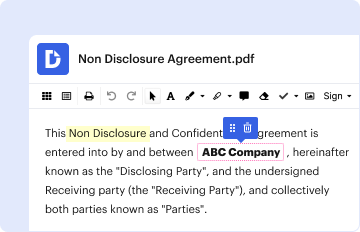
01. Edit your vt housing checklist online
Type text, add images, blackout confidential details, add comments, highlights and more.
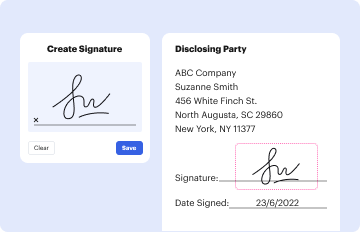
02. Sign it in a few clicks
Draw your signature, type it, upload its image, or use your mobile device as a signature pad.
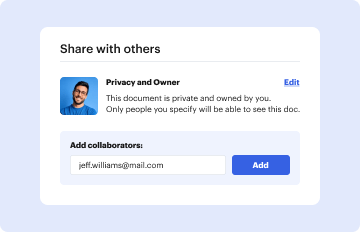
03. Share your form with others
Send it via email, link, or fax. You can also download it, export it or print it out.
How to use or fill out Vermont Housing Inspection with our platform

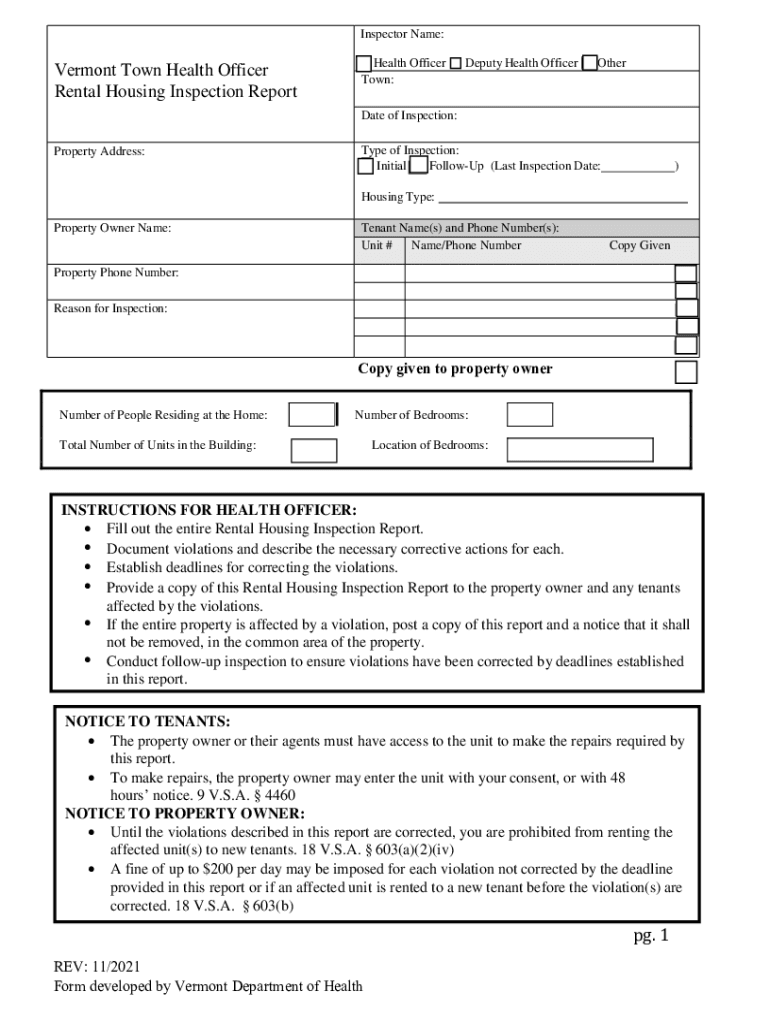
- Click ‘Get Form’ to open the Vermont Housing Inspection Report in the editor.
- Begin by entering the Inspector Name and selecting your role (Health Officer, Deputy Health Officer, or Other). Fill in the Town and Date of Inspection.
- Provide the Property Address and select the Type of Inspection (Initial or Follow-Up). If it's a Follow-Up, include the Last Inspection Date.
- Complete the Housing Type section and provide details about the Property Owner and Tenant(s), including their names and phone numbers.
- Document any violations in the designated sections, specifying necessary corrective actions and deadlines for each violation.
- Ensure to provide copies of this report to both property owners and affected tenants as required.
Start using our platform today for free to streamline your Vermont Housing Inspection process!
Fill out vermont housing inspection online
It's free
It's free
See more vermont housing inspection versions
We've got more versions of the vermont housing inspection form. Select the right vermont housing inspection version from the list and start editing it straight away!
Got questions?
We have answers to the most popular questions from our customers. If you can't find an answer to your question, please contact us.
Contact us
What is the number one red flag when buying a house?
1. No inspection, no dice. A major red flag when entering negotiations of a possible home purchase is when the owner will not allow an inspection.
What will make a house not pass an inspection?
Top reasons homes fail inspection Foundation flaws such as cracks, troublesome tree roots and uneven settling or lack of steel reinforcement. An aging, damaged or deteriorating roof. Missing flashing or shingles. Damaged siding. Rotted wood. Improper grading that doesnt allow water to move away from the house.
What does a bad inspection report look like?
Another sign that may indicate a poor home inspection is when the report does not include detailed descriptions of any defects or issues found during the inspection. This can be an indication that the inspector is inexperienced or not thorough in their work.
What is the biggest red flag in a home inspection?
A home inspection is a safety and quality assessment on a property that is going to be sold. The inspector examines the structural aspects of the home, heating and cooling systems, plumbing, electrical work, water and sewage to ensure they are all functioning properly.
What poses the riskiest part of a home inspection?
The structural systems and foundations often pose the riskiest part of a home inspection. These include the homes walls, floors, ceilings, roof, and foundation. The risk arises from the potential for docHub underlying damage that can be hidden from view.
Security and compliance
At DocHub, your data security is our priority. We follow HIPAA, SOC2, GDPR, and other standards, so you can work on your documents with confidence.
Learn more


