





Definition and Purpose of the Pakistan Power Attorney Form
The Pakistan Power Attorney form is a legal document that grants an individual (the attorney-in-fact) the authority to act on behalf of another person (the principal) in legal, financial, or medical matters. This form is essential for individuals who are unable to manage their affairs due to various reasons, such as being overseas or incapacitated. The authority bestowed can be general or specific, depending on the needs of the principal.
Understanding the intricacies of this document is vital. It allows for the efficient handling of affairs by ensuring that trusted individuals can make decisions without the principal being present. This is especially valuable for overseas Pakistanis who need to ensure their matters are managed in their absence.
Required Documents for the Pakistan Power Attorney Form
To successfully complete and submit the Pakistan Power Attorney form, several documents are typically required. These documents lend legitimacy to the power of attorney and ensure compliance with legal requirements.
- Identification: A government-issued photo ID of both the principal and the attorney-in-fact, such as a passport or national identity card.
- Proof of Address: Recent utility bills or bank statements to verify the identities presented.
- Self-Addressed Envelope: This is often required for the return of the completed form and any certified copies.
- Witness Signatures: Depending on jurisdictional requirements, the form may need to be signed in the presence of witnesses who can confirm the principal's identity and capacity.
Providing accurate documentation is crucial, as any discrepancies might result in delays or rejection of the form.
Steps to Complete the Pakistan Power Attorney Form
Completing the Pakistan Power Attorney form involves careful attention to detail. Following these steps ensures that the document is legally sound.
- Download the Form: Obtain the latest version of the Pakistan Power Attorney form from a reliable source.
- Fill in Personal Information:
- Enter the full name, address, and contact details of the principal.
- Provide the same information for the attorney-in-fact.
- Define Powers Granted: Specify whether the power of attorney is general or limited. General powers allow for broader decision-making, while limited powers restrict authority to specific tasks.
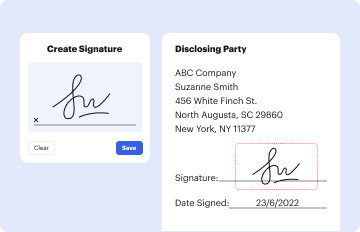
- Sign and Date the Form: Both the principal and attorney-in-fact must sign the form, indicating their agreement to the powers granted.
- Include Witness Signatures: If required, arrange for witnesses to sign the document, affirming the identities and the voluntary nature of the signing.
Ensuring that every section is accurately completed prevents legal issues down the line.
Legal Use of the Pakistan Power Attorney Form
The legal implications of the Pakistan Power Attorney form require careful consideration. This document must comply with the relevant laws of the jurisdiction in which it is being executed.
- Authority Duration: The power of attorney can be durable, meaning it remains effective even if the principal becomes incapacitated. Alternatively, it may be limited to a specific timeframe or event.
- Revocation: The principal has the right to revoke the power of attorney at any time, as long as they are of sound mind. This should be done through a written notice to the attorney-in-fact.
- Limitations: The powers granted should not exceed legal boundaries. Activities such as fraud or undertaking actions contrary to the principal's interests are prohibited.
It's essential to understand that the form may be enforceable in different jurisdictions, which may have their own requirements.
Key Elements of the Pakistan Power Attorney Form
Understanding the key elements of the Pakistan Power Attorney form helps ensure it meets all legal criteria and serves its intended purpose effectively.
- Principal Identification: Clearly identifies the person granting authority, including their complete contact information.
- Attorney-in-Fact Details: Provides the full name and contact details of the designated person who will act on behalf of the principal.
- Scope of Authority: Outlines the specific powers granted, whether general or limited. This section is crucial for clarity and legal soundness.
- Signatures and Witnessing: Ensures that all necessary parties have signed the document, along with witness signatures when required, to validate the form legally.
- Revocation Clause: Should include information on how the principal can revoke the power of attorney, ensuring the principal retains control over their affairs.
Incorporating these key elements helps protect both the principal and the attorney-in-fact while ensuring compliance with requisite laws.