



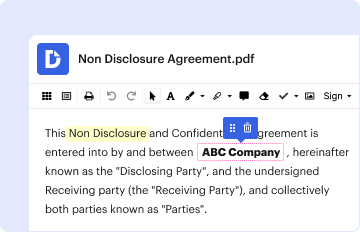
01. Edit your sr lv 034 form online
Type text, add images, blackout confidential details, add comments, highlights and more.

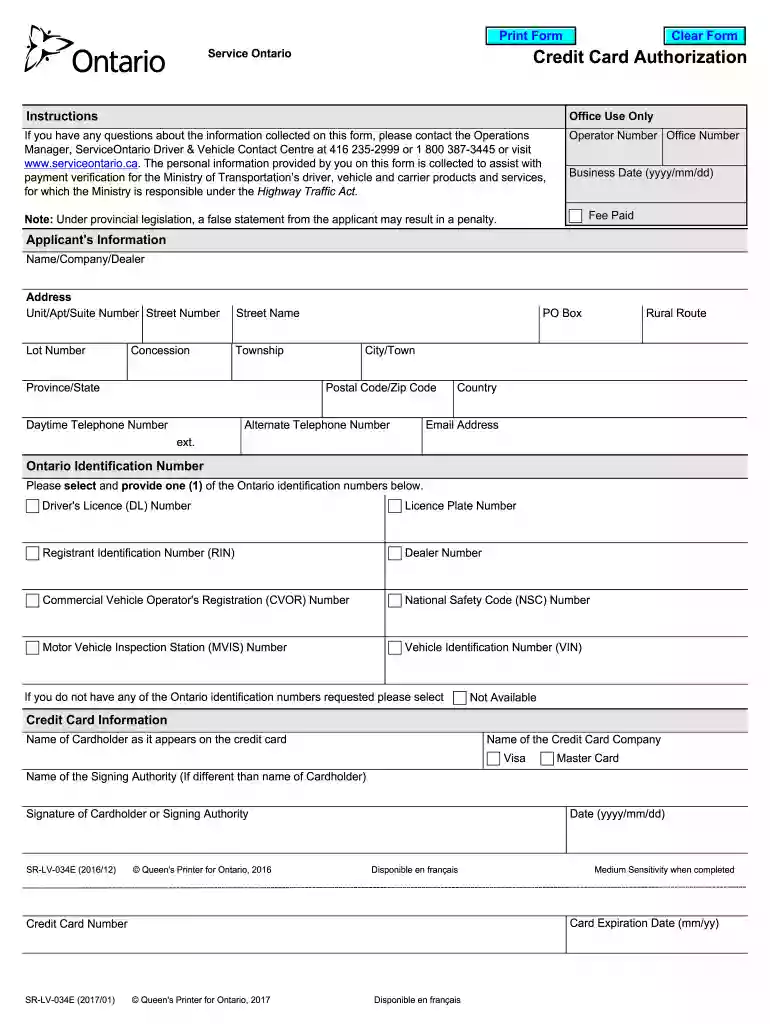
Type text, add images, blackout confidential details, add comments, highlights and more.
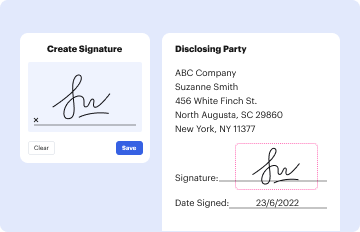
Draw your signature, type it, upload its image, or use your mobile device as a signature pad.

Send sr lv 034 via email, link, or fax. You can also download it, export it or print it out.
The credit card authorization form in Ontario is a legal document that enables organizations to charge a credit card for services rendered or products purchased. Used primarily for payment verification, the form is essential for both parties involved in a transaction. It collects specific personal and credit card information, with clear instructions regarding confidentiality and security. By signing the form, the cardholder grants permission to the entity to process charges as specified.
This form is particularly relevant in contexts where ongoing or subscription services are provided, making it indispensable for sectors like transportation services, utilities, or various service industries. Understanding its usage helps protect both consumers and service providers from misunderstandings related to payments.
To effectively fill out the credit card authorization form in Ontario, follow these methodical steps:
Download the Form: Obtain the appropriate version of the credit card authorization form, often referred to as the SR LV 034 or the Ontario credit card authorization form, from a reliable source, such as a service provider's website.
Enter Personal Information: Input the required details, including full name, address, and contact information. Accuracy is vital to ensure successful processing of charges.
Provide Credit Card Details: Carefully fill in your credit card information. This includes the credit card number, expiration date, and the three-digit security code on the back of the card.
Specify the Purpose of Authorization: Clearly state what the charges pertain to, such as a service payment or product purchase. This context helps maintain transparency.
Sign and Date the Form: After ensuring all information is accurate, sign and date the form to authorize the associated charges. This step confirms your consent to the transaction.
Submission: Submit the completed form as directed by the service provider, whether online, via email, or in-person.
The credit card authorization form holds significant legal weight in Ontario and adheres to regulations aimed at protecting consumer interests. When a cardholder signs this document, they are entering into a consent agreement permitting the recipient to charge their credit card as specified.
Understanding pertinent terminology is crucial for accurately navigating the credit card authorization process. Here are important terms connected with the form:
Various stakeholders may utilize the Ontario credit card authorization form depending on the context of transactions. Common users include:


Understanding practical applications can shed light on the significance of the credit card authorization form. Here are several scenarios:
By understanding these diverse use cases and legal implications, both consumers and businesses can make more informed decisions regarding the credit card authorization process.
We've got more versions of the sr lv 034 form form. Select the right sr lv 034 form version from the list and start editing it straight away!
At DocHub, your data security is our priority. We follow HIPAA, SOC2, GDPR, and other standards, so you can work on your documents with confidence.




WARNING: To prevent damage which may result in fire or shock hazard, do not expose this appliance to rain or moisture. This device is not intended for useRead more
You may pay your balance using a credit or debit card, or directly from a checking or savings account. We accept Visa, MasterCard, Discover, and AmericanRead more
o Credit Card: Complete the attached credit card authorization form attached which will authorize Ontario. County to process the transaction, withoutRead more


