




01. Edit your hr investigation template online
Type text, add images, blackout confidential details, add comments, highlights and more.

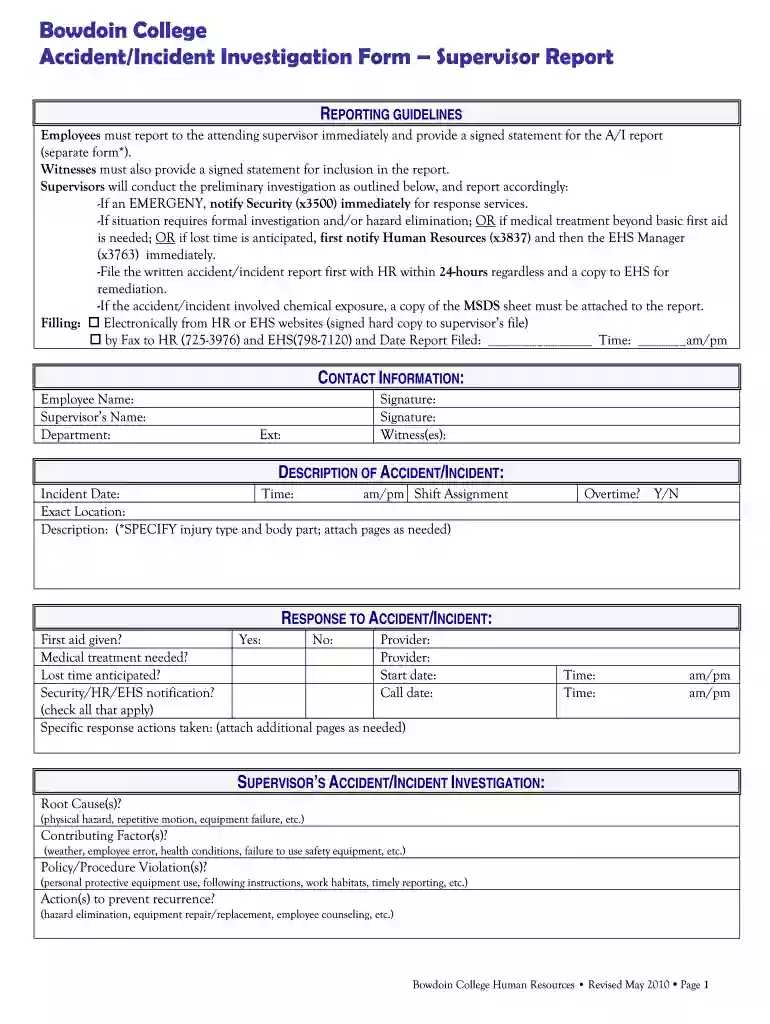
Type text, add images, blackout confidential details, add comments, highlights and more.

Draw your signature, type it, upload its image, or use your mobile device as a signature pad.

Send investigation meeting questions template via email, link, or fax. You can also download it, export it or print it out.
Employee investigations are critical processes within organizations aimed at addressing allegations of misconduct or policy violations. These investigations serve to ensure a fair and just workplace while complying with legal regulations. Organizations implement these procedures to maintain a productive and safe environment, protecting the rights of all employees involved.
There are various types of investigations that organizations may conduct, including:
The investigative process should be methodical and thorough, ensuring that all facts are examined objectively. Each step plays a vital role in concluding the investigation fairly.
Maintaining detailed records throughout the investigation is essential. This includes:
Interviews are a significant component of the investigation process. Appropriate techniques can facilitate a more productive dialogue.
Understanding the legal framework within which employee investigations operate is crucial to avoid legal pitfalls.
Creating a structured reporting process aids in maintaining accountability and transparency post-investigation.
Employing standardized templates can enhance the efficiency and consistency of the investigation process.
Employee investigations are integral to maintaining workplace integrity and compliance with legal standards. They require a structured approach that ensures all parties are treated fairly, with clear documentation of processes and findings. By adhering to best practices and utilizing available templates, organizations can conduct effective investigations that yield just results.
We've got more versions of the hr investigation template form. Select the right hr investigation template version from the list and start editing it straight away!
| Versions | Form popularity | Fillable & printable |
|---|---|---|
| 2010 | 4.8 Satisfied (125 Votes) |
At DocHub, your data security is our priority. We follow HIPAA, SOC2, GDPR, and other standards, so you can work on your documents with confidence.
Witness: A person who has knowledge of the events from personal observation or experience. Witnesses may be identified by the complainant and the respondent.Read more
Can I tell employees not to talk about the investigation? This is a complicated issue. Managers can, and should, be told to keep the investigation confidential.Read more
The process is designed to encourage development by providing employees with guidance in areas that need improvement such as poor work performance, attendanceRead more


