
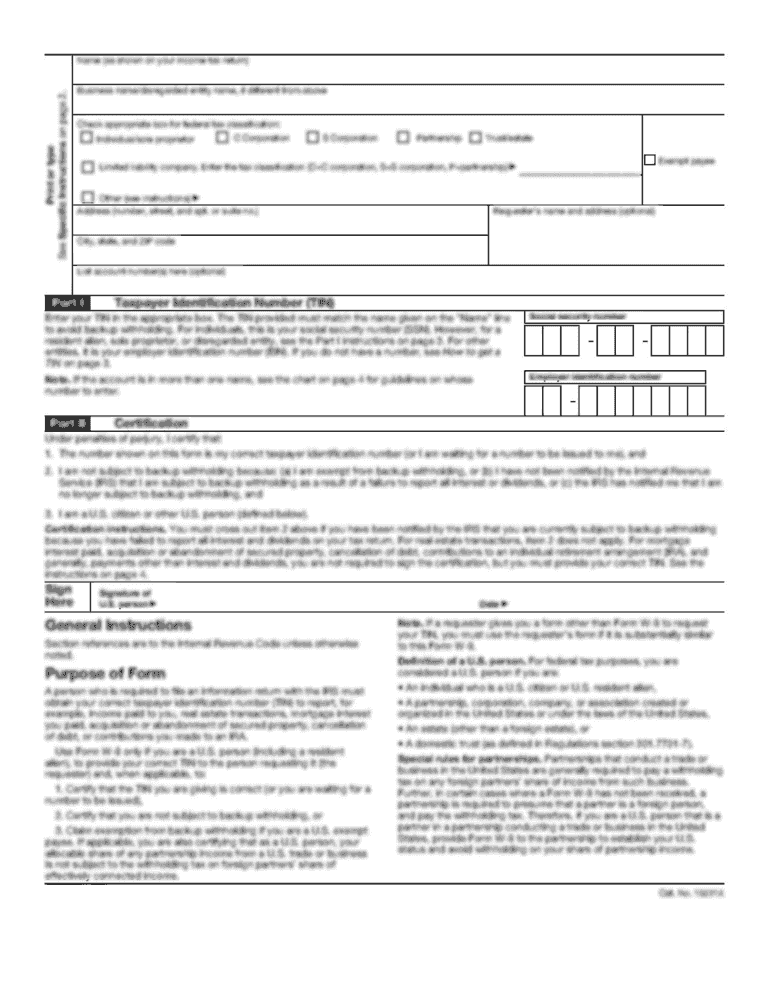







Definition and Meaning
The 8300 form, often referred to as the "8300 form pdf," is an official document issued by the Internal Revenue Service (IRS) used to report cash transactions exceeding $10,000 received in a trade or business. The form is designed to uphold financial transparency and prevent illicit activities, such as money laundering. Businesses or individuals receiving large amounts of cash must disclose the transaction details, including information about the parties involved, to both the IRS and the Financial Crimes Enforcement Network (FinCEN).
- The form contains fields for detailed transaction data, including payee and transaction details.
- Filing the 8300 form highlights the transparency and legality of large cash transactions.
How to Obtain the 8300 Form PDF
Securing a copy of the 8300 form pdf is straightforward. The form can be downloaded directly from the IRS website. Here are the steps to obtain it:
- Go to the official IRS website.
- Navigate to the "Forms and Publications" section.
- Search for "Form 8300" in the provided search bar.
- Download the form in PDF format.
- Alternative sources for obtaining the form include authorized tax preparation software or IRS offices.
- Ensure you have the latest version of Adobe Reader to view and fill out the PDF form.
Steps to Complete the 8300 Form PDF
Filling out the 8300 form pdf requires attention to detail to ensure accuracy. Below are the necessary steps:
- Provide the business or individual’s information receiving the cash.
- Detail the transaction date and amount.
- Enter information about the person providing the cash, including their identification details.
- Fill in the details about the transaction type and purpose.
- Review and sign the form to confirm the accuracy of the provided information.
- Double-check names, addresses, and transaction amounts for precision.
- Ensure all mandatory fields are completed before submission to avoid processing delays.
Legal Use of the 8300 Form PDF
The 8300 form serves a legal requirement to report significant cash transactions. It aids in monitoring and preventing illegal financial activities, such as money laundering and tax evasion. The form:
- Helps the IRS and FinCEN track large sums of cash entering the financial system.
- Provides legal documentation that can be used in audits or legal inquiries if needed.
The legal submission of this form is enforced under the Bank Secrecy Act, which mandates financial institutions and businesses to maintain and share records with the government.
Key Elements of the 8300 Form PDF
Understanding the critical components of the 8300 form pdf aids in its proper completion. These include:
-
Business/Individual Information: Details about the party receiving the cash.
-
Transaction Details: The date, amount, and method of payment.
-
Payor Details: Information about the person or entity providing the cash.
-
Purpose of Transaction: Why the cash was received, which aids in verifying the legitimacy of the transaction.
-
Each section of the form captures essential information to corroborate the legitimacy of high-value cash transactions.
-
Proper completion of each element ensures compliance with financial reporting laws.
Filing Deadlines and Important Dates
Timely submission of the 8300 form is crucial to avoid penalties. It must be filed within fifteen days of the cash transaction. Businesses should note:
- Multiple transactions within a short period from the same payer are aggregated and treated as a single transaction.
- Keeping a calendar for all transactions over $10,000 aids in tracking relevant deadlines.
Failing to adhere to filing deadlines may result in penalties imposed by the IRS, emphasizing the importance of compliance.
Important Terms Related to the 8300 Form PDF
A clear understanding of the terminology used within the 8300 form pdf is imperative:
- Transaction Date: Date the cash was received.
- Aggregate Transactions: Multiple related transactions combined as a single reportable event.
- Recipient: The business or individual receiving the cash.
- Payor: Individual or entity providing the cash payment.
Grasping these terms ensures accurate form completion and helps in understanding legal communications from the IRS.
Penalties for Non-Compliance
Non-compliance with 8300 form filing requirements can result in significant penalties, underscoring the importance of following legal guidelines. The IRS imposes penalties for:
- Late submission or failure to file the form.
- Intentionally rendering false information in the form.
Businesses or individuals may face fines based on the severity and nature of non-compliance, which can double for intentional disregard. Accurate and timely filing mitigates the risk of such penalties.
Form Submission Methods
The IRS offers various methods for submitting the 8300 form pdf, ensuring accessibility:
- Online Submission: Preferred for speed and efficiency.
- Mail: Forms can be mailed to the designated IRS location.
- In-Person: Less common but available for those who prefer handling submissions directly.
Selecting the most suitable submission method ensures compliance with IRS guidelines and helps meet filing deadlines.




