





Definition and Significance of the Motion to Appear Telephonically in Florida
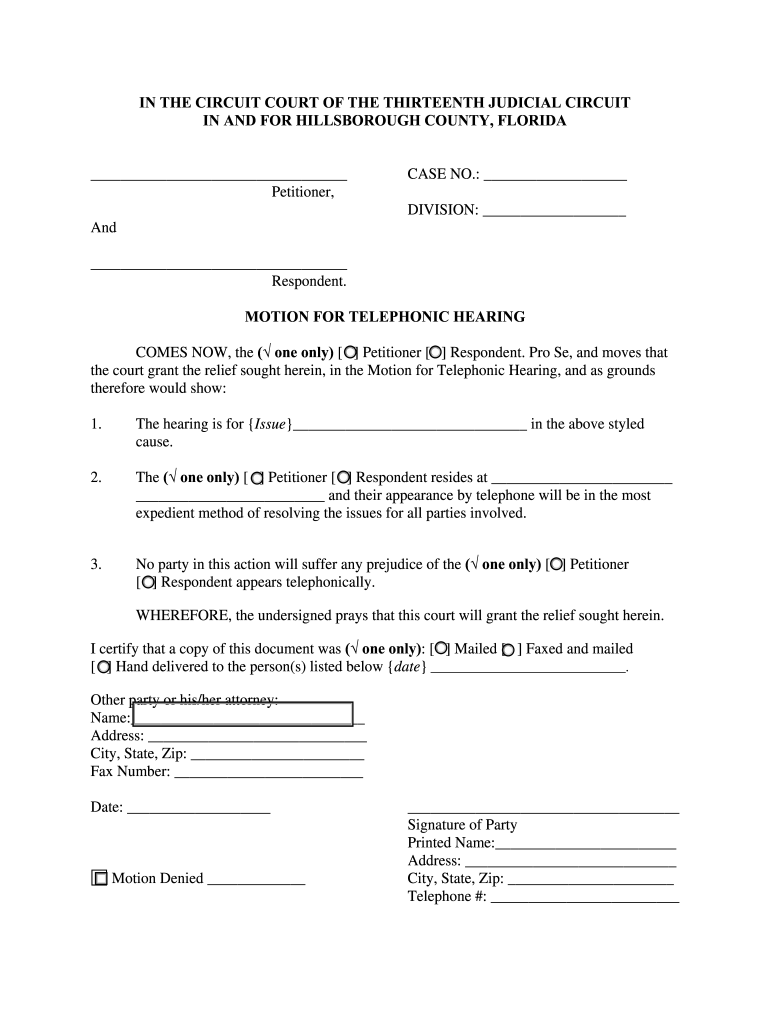
The motion to appear telephonically in Florida is a formal request submitted to the court, seeking permission for a party to participate in a hearing by telephone instead of in-person. This motion is particularly useful for individuals who may be unable to attend the court proceedings due to logistical issues or other valid reasons, such as health concerns or financial constraints.
The significance lies in its ability to facilitate access to the judicial process, ensuring that all parties can participate fully without needing to be physically present. This is especially important in family law cases, small claims, and other matters where attendance may be challenging for the involved parties.
When filing this motion, certain elements must be addressed, including:
- Justification for Telephonic Appearance: Parties must explain why in-person attendance is impractical.
- Assurance of Fairness: It must be demonstrated that allowing telephonic participation will not prejudice any party's ability to present their case.
- Technical Capability: The motion often includes assurances regarding the ability to connect with the court through reliable phone lines.
Steps to Complete the Motion to Appear Telephonically in Florida
Completing a motion to appear telephonically involves a series of structured steps to ensure the request is properly filed and considered by the court.
-
Gather Relevant Information:
- Identify the court where the case is pending.
- Collect details about the scheduled hearing, including date, time, and case number.
-
Draft the Motion:
- Title the document appropriately as a "Motion to Appear Telephonically."
- Include case caption, noting the court, parties involved, and case number.
- Provide a clear statement of the request and reasons for telephonic appearance.
-
Detail Supportive Arguments:
- Outline reasons supporting the request. Explain how telephonic participation would not prejudice the other party's rights.
- Include any relevant supporting case law or statutes that substantiate the request.
-
Signature and Verification:
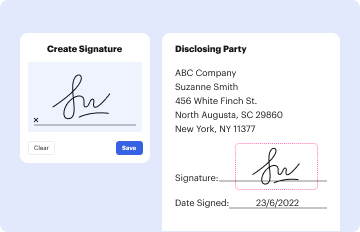
- The motion must be signed by the moving party or their attorney, ensuring compliance with legal protocols.
- Include a verification statement affirming the truthfulness of the information provided.
-
File the Motion:
- Submit the motion to the appropriate court clerk. Verify whether filing online, via mail, or in-person is accepted.
- Pay any applicable filing fees, if required.
-
Serve the Motion:
- Serve a copy of the motion to all involved parties. This ensures that everyone is informed about the request for telephonic participation.
Important Terms Related to the Motion to Appear Telephonically in Florida
Understanding specific terminology associated with the motion to appear telephonically can enhance clarity and effective communication when dealing with legal processes. Key terms include:
- Telephonic Appearance: Participation in a court hearing via phone.
- Petitioner/Respondent: The party requesting the telephonic appearance and the opposing party, respectively.
- Affidavit: A written statement confirmed by oath, often required to support the motion.
- Clerk of Court: The court official responsible for maintaining records and handling filings.
- Court Order: A formal statement issued by the court which, if granted, will allow the telephonic arrangement.
These terms play a critical role in drafting and understanding the motion, ensuring all parties are on the same page when discussing telephonic participation in legal matters.
Legal Use of the Motion to Appear Telephonically in Florida
The motion to appear telephonically is legally recognized in Florida courts, grounded in principles of accessibility and fairness in legal proceedings. Courts typically have guidelines related to telephonic appearances, often depending on the nature of the hearing and the specific circumstances of the involved parties.
Key aspects of the legal framework surrounding this motion include:
- Statutory Authority: State laws provide the framework for telephonic appearances, which helps streamline court processes.
- Judicial Discretion: Judges have the authority to grant or deny requests based on the merits presented in the motion.
- Conditions for Telephonic Hearings: Courts may set specific conditions for telephonic appearances, such as providing contact information and ensuring audio clarity for all parties involved.
Understanding these legal aspects is vital for parties considering filing a motion to appear telephonically, as it frames the context in which these requests are evaluated.
Example Scenarios for Using the Motion to Appear Telephonically in Florida
There are various situations where individuals may want to file a motion to appear telephonically. Some practical scenarios include:
- Health Issues: A party unable to travel due to chronic illness might file this motion to avoid jeopardizing their attendance at critical hearings.
- Financial Constraints: Individuals residing in remote areas may find significant travel costs prohibitive, leading them to request a telephonic hearing.
- Scheduling Conflicts: Parties who have other professional commitments or obligations at the time of the hearing may leverage this motion to ensure their participation without compromising their obligations.
By understanding these scenarios, parties can better appreciate the importance of telephonic appearances in ensuring fair and equitable access to the judicial system.