






Understanding SOAP Notes in Massage Therapy
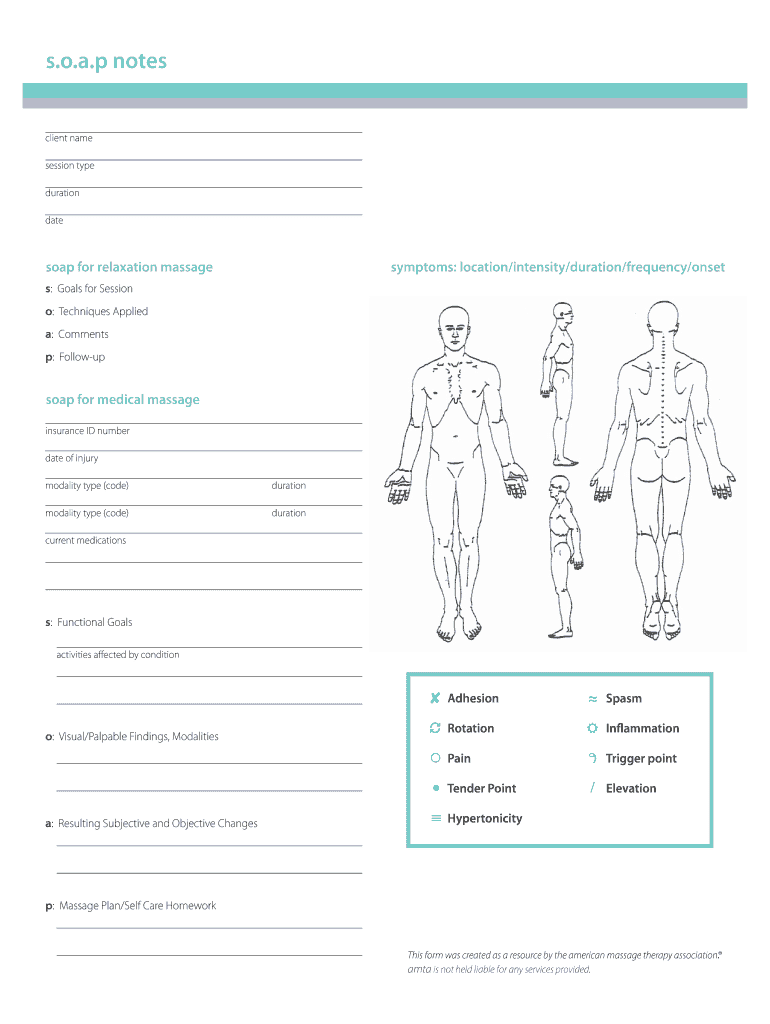
SOAP notes are a structured method for documenting patient care and treatment outcomes in massage therapy. The acronym SOAP stands for Subjective, Objective, Assessment, and Plan. Each section plays a crucial role in ensuring comprehensive documentation and effective communication among healthcare providers.
Subjective: Gathering Patient Feedback
The Subjective section captures the client's personal experience, feelings, and concerns regarding their condition. This includes:
- Patient History: Detail any past injuries, surgeries, and ongoing medical issues. It's essential to ask open-ended questions to gather meaningful insights.
- Symptoms: Clients describe current symptoms, such as pain intensity, areas affected, or any changes since their last appointment.
- Goals for Treatment: Understanding what the client hopes to achieve from the therapy session helps tailor the approach.
For example, if a client reports, "I have been feeling tightness in my shoulders, especially after sitting at my desk for hours," this input guides the therapist in focusing on specific muscle groups.
Objective: Documenting Observations
In the Objective section, therapists record measurable and observable data that can support the client's subjective statements. Important elements include:
- Physical Assessments: Note findings from range of motion tests, muscle strength assessments, and posture analysis.
- Treatment Provided: Document techniques applied during the session, such as Swedish massage, deep tissue techniques, or reflexology, including duration spent on each method.
- Client's Response: Capture immediate reactions or changes observed during the session. For instance, noting increased muscle relaxation or decreased tension.
This data provides an essential counterpart to the patient's narrative, facilitating a more complete understanding of the client's condition.
Assessment: Professional Evaluation
The Assessment section combines subjective and objective information to form a clinical interpretation. In this block:
- Diagnosis: Use clear, concise language to indicate any identified issues, such as myofascial pain syndrome or postural dysfunction.
- Treatment Efficacy: Evaluate the effectiveness of prior treatments or techniques and how they relate to the current session's goals.
- Further Opportunities: Identify any additional areas that may warrant attention in subsequent visits.
For example, if the client experiences recurrent tension headaches linked to shoulder tightness, this should be explicitly noted for future reference.
Plan: Future Treatment Goals
The Plan section delineates the therapist's approach for ongoing client care. Key aspects include:
- Next Steps: Specify the frequency of future sessions, the goals for those sessions, and any changes in treatment strategy.
- Home Care Recommendations: Educate clients on practices, such as stretching or applying heat, that can support their recovery between sessions.
- Referral Suggestions: If necessary, recommend clients to other healthcare professionals, such as physical therapists or chiropractors, for collaborative treatment.
For instance, if a client's pain persists after several sessions, it might be beneficial to refer them for imaging studies to rule out more serious conditions.
Key Elements of Effective SOAP Notes
For SOAP notes to be beneficial, consider the following best practices:
- Clarity and Conciseness: Use clear, straightforward language to ensure all entries are easily understood.
- Timeliness: Complete SOAP notes promptly after each session to maintain accurate records and ensure important details are captured.
- Confidentiality: Adhere to HIPAA regulations by securely storing SOAP notes and limiting access to authorized personnel only.
For massage therapists, maintaining comprehensive SOAP notes is essential not only for tracking client progress but also for legal compliance and ethical practice standards. This structured documentation supports clear communication with clients and other healthcare providers, ultimately enhancing patient care.