




Here's how it works
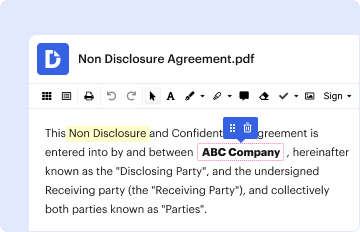
01. Edit your form online
Type text, add images, blackout confidential details, add comments, highlights and more.
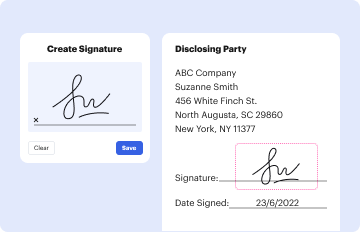
02. Sign it in a few clicks
Draw your signature, type it, upload its image, or use your mobile device as a signature pad.
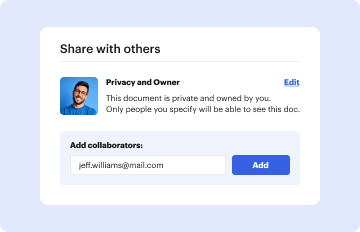
03. Share your form with others
Send it via email, link, or fax. You can also download it, export it or print it out.
How to use or fill out SERVICES FOR STUDENTS WITH DISABILITIES UNIVERSITY

- Click ‘Get Form’ to open it in the editor.
- Begin by entering the 'Agency Name' at the top of the form. This identifies your organization for the Federal Work-Study Program.
- Review and check off each required document listed, such as the Federal Work-Study Agreement and IRS letter verifying non-profit status, ensuring you have all necessary paperwork ready for submission.
- Fill out the 'Funding Information' section, providing details on funding sources and their reliability. This is crucial for understanding your agency's ability to pay students.
- Complete the 'Facilities Information' section by detailing your agency's location and how students will be supervised during their work.
- In the 'Job Description' area, clearly outline specific duties and how this position contributes to community improvement.
- Finally, ensure all sections are filled accurately before submitting via email to the provided address.
Start using our platform today to streamline your document editing and submission process for free!
Fill out SERVICES FOR STUDENTS WITH DISABILITIES UNIVERSITY online
It's free
It's free
Got questions?
We have answers to the most popular questions from our customers. If you can't find an answer to your question, please contact us.
Contact us
How can schools best serve special education students?
10 Best Practices for Improving Special Education Focus on student outcomes, not inputs. Effective general education instruction is key. Ensure all students can read. Provide extra instructional time every day for students who struggle. Ensure that content-strong staff provide interventions and support.
What can schools do to help students with learning disabilities?
How Schools Can Support Students with Disabilities Provide Accessibility Accommodations. Every school should have accessibility accommodations. Professional Training for Teachers. Disability Awareness Programs. Encourage Self-Advocacy. Communication. Individualized Education Plans (IEPs) Conclusion.
How can colleges help students with learning disabilities?
Colleges provide accommodations to students who are eligible under ADA. (Some may also provide support services like tutoring or coaching for a fee.) They dont typically provide 504 plans the same way high schools do, though.
How can educators support students with disabilities?
Strategies for Teaching Students with Disabilities Break Learning Tasks Down into Smaller Parts. Present Information in a Variety of Ways. Eliminate Distractions Proactively. Build Relationships and Resilience. Focus on Strengths. Be the Adult.
How can schools help students with disabilities?
Students with disabilities should receive reasonable accommodations within the classroom. Schools should address the academic, social, and life skills needs of each student. If needed, alternative learning methods should be used, such as braille instruction or alternative communication devices.
Security and compliance
At DocHub, your data security is our priority. We follow HIPAA, SOC2, GDPR, and other standards, so you can work on your documents with confidence.
Learn more


People also ask
How many colleges have disability services?
The facts about disability accommodations Put simply, nearly every college in the country must provide at least minimal accommodations for students with all kinds of disabilities, not just the ones that are visible.
How can school counselors help students with disabilities?
Although students with disabilities receive services through special education, school counselors are involved in many aspects of a students academic life such as interfacing with other specialists as part of a students individualized education program (IEP) team, helping coordinate accommodations under Section 504
What accommodations do college students get for disability?
Some examples include ASL, captioning, assistive technology devices, Braille, large print, or a reader. Response accommodations allow students to complete assignments or exams in different ways (e.g., use of reference aids, clicker, use of computer, etc.).