
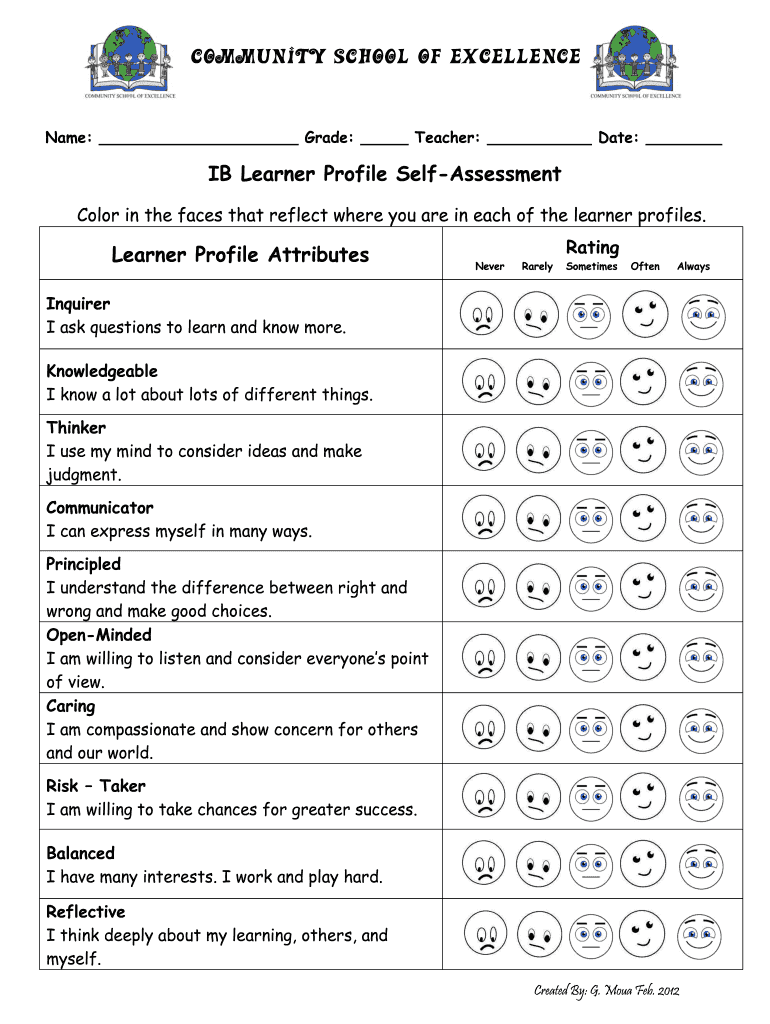







Definition and Meaning of a Personal Learner Profile
A personal learner profile is a comprehensive representation of an individual’s learning preferences, strengths, and areas for development. It is commonly used in educational settings, particularly within frameworks like the International Baccalaureate (IB), to help students assess their capabilities and identify goals for personal growth. The profile often includes attributes such as inquirer, knowledgeable, thinker, communicator, principled, open-minded, caring, risk-taker, balanced, and reflective. These traits enable students to understand how they learn best and provide insights for educators to tailor instruction and support.
Key Components of a Personal Learner Profile
- Learning Styles: Identifies whether an individual prefers visual, auditory, or kinesthetic learning approaches.
- Strengths and Weaknesses: Helps in recognizing specific skills, such as critical thinking or collaboration, and areas that may require development.
- Goal-Setting: Encourages individuals to establish personal educational objectives to foster continuous improvement throughout their learning journey.
How to Use a Personal Learner Profile
A personal learner profile serves as a foundational tool in crafting a tailored educational experience. Educators and learners can use this profile to:
- Guide Instruction: Teachers can adapt curricula and teaching methods based on the identified strengths and weaknesses of students.
- Encourage Self-Reflection: It prompts learners to reflect on their educational experiences and progress, helping to cultivate independence in learning.
- Facilitate Goal Tracking: Learners can track their progress against personal learning goals established in their profiles, which enhances their sense of agency.
Application in Different Educational Contexts
- In Schools: Teachers can use personal learner profiles to create differentiated instruction plans that address diverse learning needs.
- At Home: Parents may leverage the profile to support their children in meeting educational milestones and aiding in homework routines.
Steps to Complete a Personal Learner Profile
- Self-Assessment: Begin by evaluating your learning styles, strengths, and areas needing improvement. Utilize assessment tools or questionnaires to gather insights.
- Gather Feedback: Seek input from educators, peers, or mentors who can provide a broader perspective on your learning capabilities.
- Set Goals: Based on the self-assessment and feedback, establish specific learning goals that target areas for improvement and challenge your strengths.
- Document Progress: Regularly update the profile with achievements, new skills acquired, and changes in learning preferences.
Tools for Completing Profiles
- Templates: Utilize structured forms or templates that guide users through the profile completion process.
- Digital Tools: Consider using educational platforms or software that enable tracked updates to personal learner profiles.
Importance of a Personal Learner Profile
A personal learner profile is crucial in today’s educational landscape for several reasons:
- Individualization of Learning: It allows for a personalized learning experience that can lead to better engagement and outcomes for learners.
- Promotes Student Ownership: By understanding their personal learning attributes, students can take ownership of their educational paths and advocate for their needs.
- Enhances Educator Insights: Educators gain valuable insights into how to best support each student’s growth, fostering a more inclusive environment.
Impact on Long-Term Learning
- Catalyst for Lifelong Learning: A well-developed profile encourages a growth mindset, motivating students to pursue continuous learning even beyond formal educational settings.
- Career Development: Understanding personal learning traits can lead to better choices in career paths and professional development opportunities.
Examples of Using a Personal Learner Profile
-
In the Classroom: A teacher implements a personal learner profile to tailor a project-based learning unit. For example, if a student excels in visual learning, the teacher may encourage the use of multimedia presentations to showcase understanding.
-
For Self-Improvement: A student uses their personal learner profile to focus on becoming more reflective by setting aside time each week for self-review and adjustment of study strategies.
Real-World Scenarios
- STEM Programs: In a STEM-focused program, personal learner profiles can help identify students who may thrive in collaborative research projects versus those who excel in individual task executions.
- Arts Education: Art students can tailor their learning experiences by documenting their preferred mediums and genres to inform project choices and critique strategies.
Important Terms Related to a Personal Learner Profile
- Learner Profile Assessment: A tool or process used to evaluate individual learning preferences and capacities.
- IB Learner Profile: Attributes incorporated within the IB educational framework focusing on holistic student development.
- Learning Profile Form: A specific document or template designed to capture essential information about a learner’s style and strengths.
Relationship with Educational Frameworks
Understanding personal learner profiles can enhance alignment with institutional goals, especially those championed by progressive educational systems like the IB, which emphasizes developing well-rounded individuals equipped for global challenges.
Key Elements of a Personal Learner Profile
A well-rounded personal learner profile typically includes several key elements:
- Attributes Listing: A comprehensive list of learning traits and preferences.
- Goals Section: Clearly defined short-term and long-term learning objectives.
- Strategic Development Plan: Detailed plans outlining methods to achieve identified goals and enhance learning.
Creating an Effective Profile
To create a truly effective personal learner profile, learners should:
- Regularly Review and Update: Set time intervals to revisit and reflect on the profile for relevancy and adjustments as learning evolves.
- Incorporate Diverse Feedback: Engage with various stakeholders, including peers and educators, for broad input on learning preferences and achievements.
This ensures that the profile remains a dynamic tool for personal and educational development, constantly reflecting the learner's growth journey.




