





Definition and Meaning of a Short Rental Lease Agreement
A short rental lease agreement is a legally binding document that outlines the terms and conditions between a property owner (lessor) and a guest (lessee) for the temporary rental of a property. This type of agreement is typically used for short-term rentals, where the duration can range from a few days to several months. It serves to clarify the responsibilities and rights of both parties, ensuring a smooth transaction and reducing the potential for disputes.
Key Features of a Short Rental Lease Agreement
- Duration of Stay: Specifies the length of the rental period, which is essential for both parties to understand the timeframe involved.
- Rental Amount: Clearly states the rental price, payment terms, and any additional fees such as cleaning or security deposits.
- Occupancy Limits: Defines how many guests can stay in the property, helping to maintain compliance with local regulations.
- Responsibilities: Outlines the duties of both the landlord and tenant regarding maintenance and care for the property.
- Rules and Regulations: Includes specific property rules that guests must adhere to, like noise levels, pet policies, and common area usage.
Important Terms Related to Short Rental Lease Agreements
Understanding the terminology associated with short rental lease agreements is crucial for both landlords and tenants. Some key terms include:
- Security Deposit: A refundable amount paid by the tenant at the beginning of the lease to cover potential damages or unpaid rent.
- Lease Term: Refers to the specified time frame for which the lease is active, highlighting the short-term nature of the agreement.
- Termination Clause: Details the conditions under which either party can terminate the agreement early, including required notice periods.
- Addenda and Modifications: Refers to any additional documents or changes to the original agreement, often necessary to accommodate unique situations.
Why These Terms Matter
Each of these terms serves a specific purpose in protecting the rights of both parties. For instance, a well-defined termination clause prevents misunderstandings about when and how a lease can be ended, which is particularly important in short-term arrangements.
Key Elements of a Short Rental Lease Agreement
A comprehensive short rental lease agreement should include several key elements to ensure clarity and legal enforceability:
- Property Description: This includes the address and a brief description of the rental property, which helps in identifying the location of the lease.
- Tenant and Landlord Information: Full names and contact details of both parties.
- Payment Terms: Details regarding the payment schedule, accepted payment methods, and consequences of late payments.
- Maintenance Responsibilities: Responsibilities regarding property upkeep and repairs during the rental period.
- Liability and Indemnification: Provisions that clarify which party is responsible for legal fees and liability arising from injuries or damages on the property.
- Dispute Resolution: A method for resolving conflicts, often through arbitration or mediation, which is particularly relevant if issues arise during a short rental.
Each of these elements plays a vital role in providing a clear framework for the rental arrangement, offering protections and clarifications to both the landlord and tenant.
How to Use the Short Rental Lease Agreement
To effectively use a short rental lease agreement, both parties should follow a structured approach:
-
Drafting the Agreement: Begin by using a template or drafting the agreement from scratch, ensuring that all terms are customized to fit the specifics of the rental situation.
-
Reviewing the Agreement: Both parties should thoroughly review the document, making sure they understand all terms and conditions listed before signing.
-
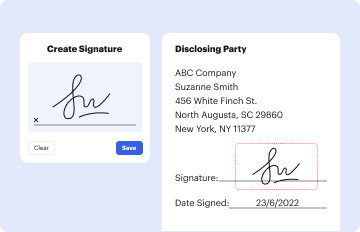
Signing the Agreement: Once both parties agree to the terms, they should sign the document. If feasible, consider having the signatures witnessed or notarized.
-
Distributing Copies: After signing, ensure that each party receives a copy of the final agreement for their records.
-
Adhering to the Terms: Both landlords and tenants should comply with the outlined responsibilities and terms throughout the rental period, which helps mitigate disputes.
This structured process ensures a mutual understanding and minimizes the risk of misunderstandings or conflicts arising from the rental relationship.
Steps to Complete the Short Rental Lease Agreement
Completing a short rental lease agreement involves several key steps:
-
Collect Relevant Information: Gather details about the property, both parties’ identities, and any specific leasing conditions.
-
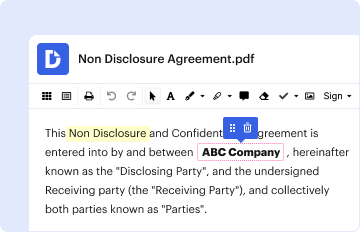
Select a Template: Choose a reliable template that aligns with local laws and regulations related to rental agreements. Many online resources provide samples tailored to various states.
-
Input Details: Fill in the necessary information related to the rental terms, payment structure, and any rules regarding property usage.
-
Review and Adjust: Both parties should review the document for accuracy and completeness, making necessary adjustments before finalizing the agreement.
-
Sign and Distribute: After both parties sign, distribute copies to ensure everyone has documentation of the agreement.
Additional Considerations
- Legal Advice: Depending on the complexity of the rental situation, obtaining legal advice may be beneficial to ensure all local laws are met.
- Customization: Tailor the agreement to address unique circumstances specific to the rental, such as unique property features or neighborhood regulations.
Each of these steps enhances the clarity and legal soundness of the rental agreement, promoting a positive rental experience for both parties.