



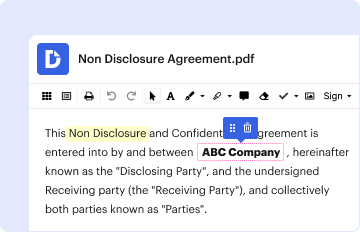
01. Edit your form online
Type text, add images, blackout confidential details, add comments, highlights and more.

Type text, add images, blackout confidential details, add comments, highlights and more.
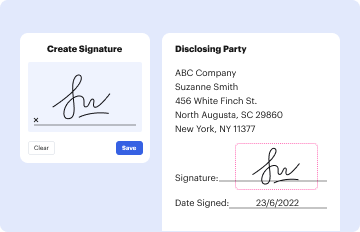
Draw your signature, type it, upload its image, or use your mobile device as a signature pad.

Send it via email, link, or fax. You can also download it, export it or print it out.
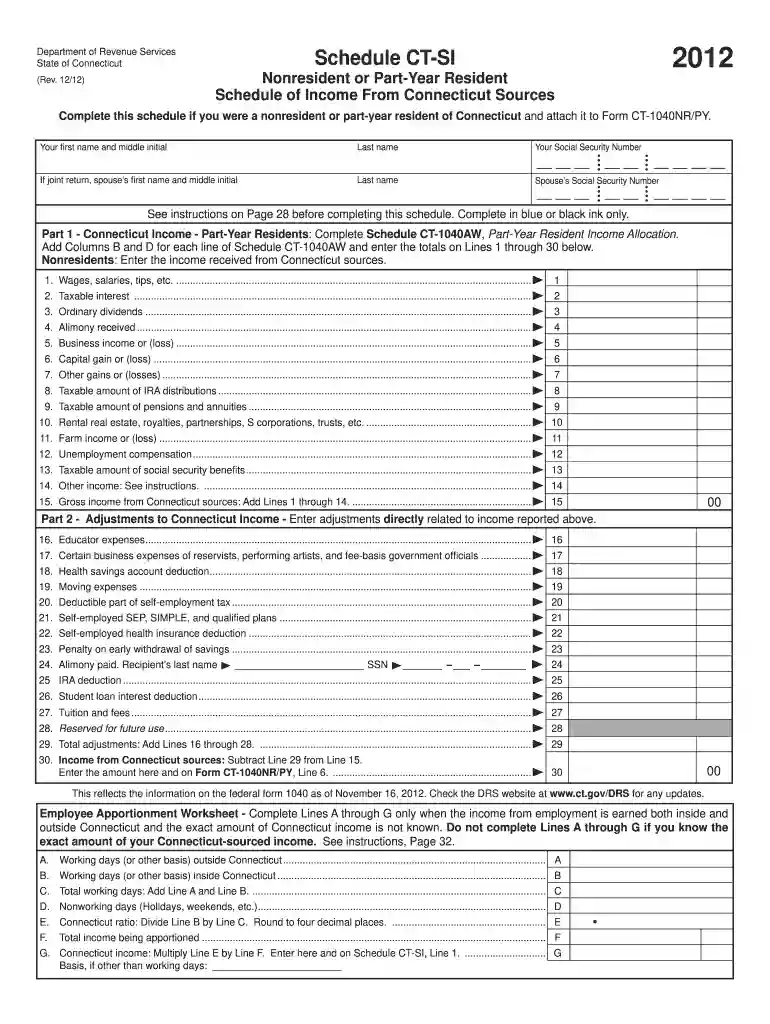
The Schedule CT-SI, officially known as "Connecticut Schedule I - Nonresident or Part-Year Resident Income from Connecticut Sources," is a supplemental form required for nonresidents or part-year residents who need to report income derived from sources within Connecticut. It plays a crucial role in calculating the portion of income subjected to Connecticut state taxes. This form is attached to Form CT-1040NR/PY and helps in detailing income types, applying adjustments, and ensuring compliance with Connecticut tax laws.
Obtaining the Schedule CT-SI is straightforward. The form can be downloaded from the official Connecticut Department of Revenue Services (DRS) website. It is also commonly available through tax preparation software like TurboTax or professional tax preparers. For convenience, individuals can request a physical copy via mail or collect it in person from a local DRS office. This ensures accessibility for taxpayers who prefer traditional methods over digital access.
Gather Required Information: Before filling out the form, collect all necessary documents, including federal tax returns, W-2 forms, and 1099 statements that specify Connecticut-source income.
Income Section: Enter various income types from Connecticut sources, such as wages, business income, or rental earnings, accurately reflecting the figures reported in federal documentation.
Adjustments to Income: Apply any allowable adjustments. This may include deductions like IRA contributions or student loan interest, adjusting your gross income figure properly.
Calculate Connecticut-Sourced Income: Use the deductions and exemptions pertinent to Connecticut law for final calculation. This part is crucial for accurately determining the taxable income amount.
Verification and Submission: Double-check all entries for accuracy, verify that the calculations correspond with supporting documents, and attach the schedule to your CT-1040NR/PY before submission.
The Schedule CT-SI is generally used by individuals who do not live full-time in Connecticut but have income generated from within the state. This includes part-year residents who have moved into or out of Connecticut and nonresidents who earn income through employment, rental properties, or other business activities located in the state. Understanding who should utilize this form helps ensure compliance with state tax obligations and prevents potential legal issues.


Completion of the Schedule CT-SI is legally mandated for those required to report income from Connecticut sources as a nonresident or part-year resident. Failing to accurately complete the form can lead to legal repercussions such as penalties, interest on unpaid taxes, and potential audits. Adherence to filing requirements ensures lawful compliance with Connecticut's tax regulations.
For timely filing, the Schedule CT-SI must be submitted by April 15, alongside the CT-1040NR/PY. If this date falls on a weekend or holiday, the deadline is extended to the next business day. It's important to note that extensions do not grant additional time for tax payment, and any due taxes should be paid to avoid penalties. Timely submission ensures compliance and avoids late fees.
Collecting these documents is critical for accurately completing this form, as they provide the necessary information to verify income and deductions claimed.
Submitting the Schedule CT-SI can be done through several methods:
These submission options provide flexibility to meet individual filing preferences and needs.
We've got more versions of the how to fill the ct si 2012 form form. Select the right how to fill the ct si 2012 form version from the list and start editing it straight away!
| Versions | Form popularity | Fillable & printable |
|---|---|---|
| 2025 | 4.9 Satisfied (27 Votes) | |
| 2023 | 4.9 Satisfied (50 Votes) | |
| 2022 | 4.5 Satisfied (31 Votes) | |
| 2021 | 4.7 Satisfied (29 Votes) | |
| 2020 | 4.8 Satisfied (57 Votes) | |
| 2019 | 4.4 Satisfied (138 Votes) | |
| 2018 | 4.3 Satisfied (231 Votes) | |
| 2016 | 1.9 Satisfied (21602 Votes) | |
| 2015 | 4.4 Satisfied (33 Votes) | |
| 2014 | 4 Satisfied (46 Votes) | |
| 2013 | 4.3 Satisfied (54 Votes) | |
| 2012 | 4.3 Satisfied (48 Votes) | |
| 2011 | 4 Satisfied (30 Votes) |
At DocHub, your data security is our priority. We follow HIPAA, SOC2, GDPR, and other standards, so you can work on your documents with confidence.
*Questions regarding level of research experience eligibility should be sent to ctsieduc@umn.edu with a resume/CV attached prior to submitting an application.Read more
Mar 1, 2012 statistic Si and its standard deviation SD[Si]. Form the overall seasonal Mann-Kendall statistic. (S) and its standard deviation with theRead more
May 17, 2022 2012 corporation tax forms. Form number, Instructions, Form title. CT-1, Not applicable, Supplement to Corporation Tax Instructions.Read more


