




Here's how it works
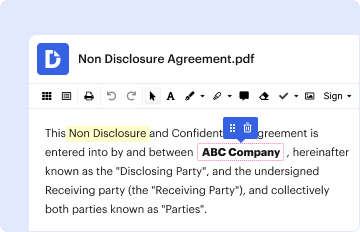
01. Edit your form online
Type text, add images, blackout confidential details, add comments, highlights and more.
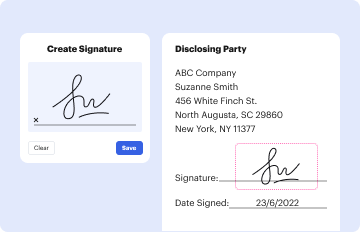
02. Sign it in a few clicks
Draw your signature, type it, upload its image, or use your mobile device as a signature pad.
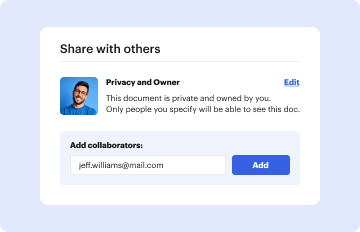
03. Share your form with others
Send it via email, link, or fax. You can also download it, export it or print it out.
How to use or fill out Vermont Commercial Lease Agreement Legal Forms

- Click ‘Get Form’ to open it in the editor.
- Begin by filling in the date and the names of both the Lessor and Lessee in Section I. Ensure that mailing addresses are accurate for future correspondence.
- In Section II, provide a detailed description of the leased premises, including street address, square footage, and type of space. This information is crucial for clarity.
- Section III requires you to specify the intended use of the premises. Check one option and be aware that any changes need prior written consent from the Lessor.
- For Section IV, indicate the lease term by filling in the duration and start/end dates. This establishes your rental period.
- In Section V, decide on a security deposit arrangement. Choose whether a deposit is required and specify the amount if applicable.
- Complete Sections VI through XXVIII by following similar steps: fill in rent amounts, late fees, insurance requirements, and any additional terms as needed.
Start using our platform today to easily complete your Vermont Commercial Lease Agreement for free!
Fill out Vermont Commercial Lease AgreementLegal Forms and online
It's free
It's free
See more Vermont Commercial Lease AgreementLegal Forms and versions
We've got more versions of the Vermont Commercial Lease AgreementLegal Forms and form. Select the right Vermont Commercial Lease AgreementLegal Forms and version from the list and start editing it straight away!
| Versions | Form popularity | Fillable & printable |
|---|---|---|
| 2015 | 4.8 Satisfied (44 Votes) |
Got questions?
We have answers to the most popular questions from our customers. If you can't find an answer to your question, please contact us.
Contact us
What is an example of a force majeure clause?
There are generally three essential elements to force majeure: tt can occur with or without human intervention it cannot have reasonably been foreseen by the parties It was completely beyond the parties control and they could not have prevented its consequences.
Can I make my own lease agreement?
Can you write your own tenancy agreement? Certainly. Unless youre an attorney, or have an attorney review it, you probably shouldnt, But you certainly can. If you fail to follow your state/local laws to-the-letter, the agreement may be invalid.
What is the force majeure clause for a commercial lease?
Force majeure clauses, common in most commercial lease agreements, generally excuse, or temporarily delay, certain landlord or tenant lease obligations due to unforeseen circumstances beyond the parties control.
What is the most common commercial lease agreement?
Gross leases are most common for commercial properties such as offices and retail space. The tenant pays a single, flat amount that includes rent, taxes, utilities, and insurance.
How do I lease my commercial property?
5 Steps to Leasing a Commercial Property Step 1: Assess your business. Step 2: Search for properties that meet your needs and budget. Step 3: Set up Showings. Step 4: Negotiate the Letter of Intent (LOI) or Lease Proposal. Step 5: Executing a Lease.
Security and compliance
At DocHub, your data security is our priority. We follow HIPAA, SOC2, GDPR, and other standards, so you can work on your documents with confidence.
Learn more


People also ask
What should be included in a force majeure clause?
Force majeure is a clause in a contract that absolves participants from liability for not being able to fulfill their obligations due to unforeseeable catastrophes such as natural disasters, strikes, government actions, war, acts of terrorism, and pandemics.