Landlord and Tenant Act Update 11-1-10 doc 2025

Get Form
Landlord and Tenant Act Update 11-1-10 doc Preview on Page 1

Here's how it works

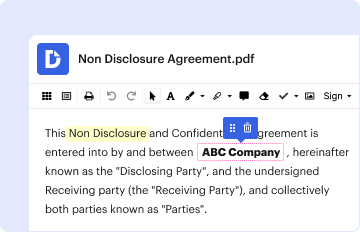
01. Edit your form online
Type text, add images, blackout confidential details, add comments, highlights and more.

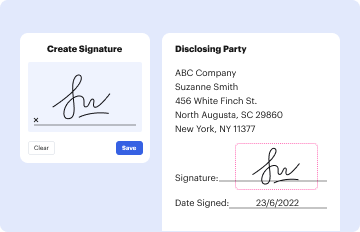
02. Sign it in a few clicks
Draw your signature, type it, upload its image, or use your mobile device as a signature pad.

03. Share your form with others
Send it via email, link, or fax. You can also download it, export it or print it out.

How to use or fill out Landlord and Tenant Act Update 11-1-10 doc with our platform

Form edit decoration
9.5
Ease of Setup
DocHub User Ratings on G2
9.0
Ease of Use
DocHub User Ratings on G2
  1. Click ‘Get Form’ to open the Landlord and Tenant Act Update 11-1-10 document in the editor.
  2. Begin by reviewing the preface section, which provides important context about the document's purpose and legal implications.
  3. Navigate to the definitions section. Familiarize yourself with key terms such as 'Landlord', 'Tenant', and 'Nonresidential rental property' to ensure clarity while filling out any related fields.
  4. Proceed to complete sections regarding tenant rights and landlord obligations. Pay special attention to areas that require specific information about rental agreements, deposits, and maintenance responsibilities.
  5. Utilize our platform’s annotation tools to highlight or comment on sections that may need further clarification or legal advice.
  6. Once all relevant fields are filled, review your entries for accuracy before saving or sharing the document directly from our platform.

Start using our platform today for free to streamline your document editing and signing process!

See more Landlord and Tenant Act Update 11-1-10 doc versions

We've got more versions of the Landlord and Tenant Act Update 11-1-10 doc form. Select the right Landlord and Tenant Act Update 11-1-10 doc version from the list and start editing it straight away!
Versions Form popularity Fillable & printable
2010 4.8 Satisfied (158 Votes)
be ready to get more

Complete this form in 5 minutes or less

Get form

Got questions?

We have answers to the most popular questions from our customers. If you can't find an answer to your question, please contact us.
Contact us
10 Fitness for human habitation. [F4(2)In subsection (1) prescribed hazard means any matter or circumstance amounting to a hazard for the time being prescribed in regulations made by the Secretary of State under section 2 of the Housing Act 2004. Changes over time for: Section 10 - Landlord and Tenant Act 1985 Landlord and Tenant Act 1985 ukpga section Landlord and Tenant Act 1985 ukpga section
Eviction: If the court finds that there is a bdocHub of lease they will issue an Order of Restitution, which orders the Sherriff to remove the Tenant from the property. Attorneys fees may be available. Landlord and Tenant Causes of Action: When Things go Wrong Peoples Law Library landlord-and-tenant-cause Peoples Law Library landlord-and-tenant-cause
In Oklahoma, landlords are subject to various restrictions to protect tenants rights and ensure fair housing practices. These limitations include requirements such as providing proper notice before entering a rental unit, avoiding discriminatory practices, and maintaining habitable living conditions.
If there is no lease, the landlord can also end the tenancy with a written notice at least 30 days before the date they want you to move out. This notice may be handed to you personally or to a family member over the age of 12 living with you.
As opposed to other sections related to tenancies, section 11 applies to the landlord and tenant act 1985 as an update to the act of 1954. It is a rule that states a landlord has the right to look after a property structurally, internally and externally. A guide on section 11 of the landlord and tenant act - Lofti Lofti documents section-11 Lofti documents section-11

People also ask

The notice period a landlord must give a tenant to move out in Oklahoma depends on the type of tenancy: For month-to-month tenancies, landlords must provide at least 30 days notice. For week-to-week tenancies, landlords must provide at least 7 days notice.
The easiest way to get someone out of your house is to ask them to leave politely. In many cases, a direct conversation can resolve the situation without legal action. Here are some steps to follow: Speak to Them Calmly: Explain why they need to leave and give them a reasonable timeframe to do so.

Related links