
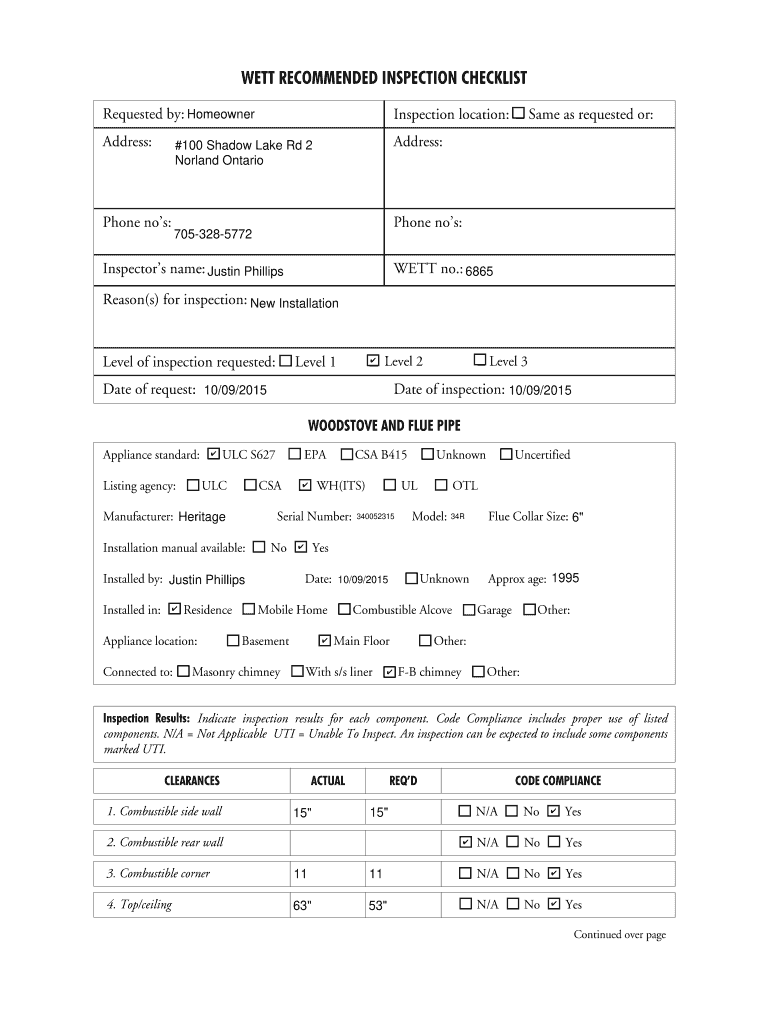







Definition and Importance of a WETT Inspection Checklist
A WETT inspection checklist is a vital document used to ensure that wood-burning appliances, such as stoves and fireplaces, meet specific safety and compliance standards. It is based on guidelines established by the Wood Energy Technology Transfer (WETT) organization and primarily serves to assess the installation of wood-burning equipment in residential settings.
The checklist helps identify potential safety hazards, ensures compliance with local codes, and promotes safe operation of wood-burning appliances. Its significance lies in reducing the risk of fire hazards, improving air quality, and ensuring efficient operation of wood stoves. Regular inspections using this checklist can also prolong the life of the appliance by ensuring proper installation and maintenance.
How to Use the WETT Inspection Checklist Effectively
Using a WETT inspection checklist requires following a systematic approach to ensure thorough evaluation. This process typically involves:
-
Preparation: Gather all necessary documents and equipment before starting the inspection. This includes the checklist itself, relevant installation manuals, and tools needed for examination.
-
Documentation Review: Before the physical inspection, review any installation documents or previous inspection records related to the appliance.
-
Physical Inspection: Go through each item on the checklist systematically. Common elements include verifying clearances from combustible materials, ensuring proper chimney height, and checking the structural integrity of the appliance.
-
Record Findings: Document observations accurately, noting any deficiencies or areas that require remediation.
-
Final Assessment: At the end of the check, assess whether the appliance meets the required safety standards.
Following these steps not only helps in identifying concerns but also assists in maintaining compliance with safety regulations.
Key Elements of the WETT Inspection Checklist
The WETT inspection checklist consists of several key elements crucial for the thorough evaluation of wood-burning appliances:
-
Appliance Location and Clearances: Verify that the appliance is installed in a location with appropriate clearances from combustible materials. This includes walls, ceilings, and furniture.
-
Chimney and Venting System: Examine the chimney's height, material, and overall condition. Ensure it is properly vented to prevent carbon monoxide buildup inside the home.
-
Installation Compliance: Ensure the wood stove or fireplace has been installed according to the manufacturer’s specifications as well as local building codes.
-
Flue Pipe Inspection: Check the flue pipe for signs of damage, deterioration, or incorrect installation that may affect performance.
-
Operational Checks: Test the appliance to ensure it operates correctly and safely, observing for smoke leaks or unusual sounds.
These elements are essential in determining whether the installation meets the necessary safety and operational standards.
Steps to Complete the WETT Inspection Checklist
Completing a WETT inspection checklist involves several specific steps to ensure each critical aspect is evaluated thoroughly:
-
Initial Setup: Prepare the inspection area by ensuring safety gear is worn and any necessary tools are within reach.
-
Verifying Appliance Specifications: Check the manufacturer's label for model information and confirm it matches the documentation provided.
-
Systematic Inspection Process:
- Begin checking each major component, starting from the appliance itself, moving to the chimney, and then inspecting surrounding areas for compliance.
- Use a structured approach, addressing one checklist item at a time.
-
Document Observations: After checking a component, write down your findings. Indicate pass or fail for each item along with specific notes on what was observed.
-
Recommendations for Non-Compliant Items: If deficiencies are found, provide recommendations for repairs or modifications necessary to achieve compliance.
Following these steps not only ensures a thorough inspection but also significantly contributes to the safety and efficiency of the wood-burning appliances.
Legal Use and Compliance of the WETT Inspection Checklist
The legal use of the WETT inspection checklist is paramount in ensuring that wood-burning appliances adhere to safety regulations set forth by local and state authorities. Compliance with these regulations is crucial for multiple reasons:
-
Safety Regulations: Many regions mandate inspections for wood-burning installations to prevent hazards associated with improper use, such as fire or health risks from smoke.
-
Insurance Requirements: Homeowners may be required to provide proof of compliance with WETT standards to validify insurance coverage for properties with wood-burning appliances.
-
Liability: Conducting and documenting a WETT inspection can protect homeowners and contractors from liability issues that may arise from fire hazards linked to improper installations.
For the checklist to be legally effective, it must be conducted by a qualified and WETT-certified inspector who can ensure adherence to these legal and safety standards.
Examples of Using the WETT Inspection Checklist in Practice
Using the WETT inspection checklist in real-world scenarios often highlights its practical benefits. For example:
-
Residential Installations: A homeowner in Ontario conducts a thorough inspection of their newly installed wood stove using the checklist. The inspection reveals that the chimney height is inadequate, which could lead to performance issues. By rectifying this before use, the homeowner ensures safe operation.
-
Annual Maintenance Checks: Property managers in multi-unit buildings utilize the WETT inspection checklist annually to ensure that common wood-burning appliances are compliant and safe. This proactive approach minimizes risks for tenants and enhances safety standards.
-
Pre-Purchase Inspections: A prospective homeowner may request a WETT inspection checklist evaluation before purchasing a house with a wood-burning fireplace. Findings can influence negotiation terms regarding necessary repairs or upgrades.
In each of these scenarios, the checklist aids in ensuring that wood-burning appliances are safe, compliant, and operating efficiently, showcasing its versatility and importance.




