




01. Edit your formal letter format british online
Type text, add images, blackout confidential details, add comments, highlights and more.

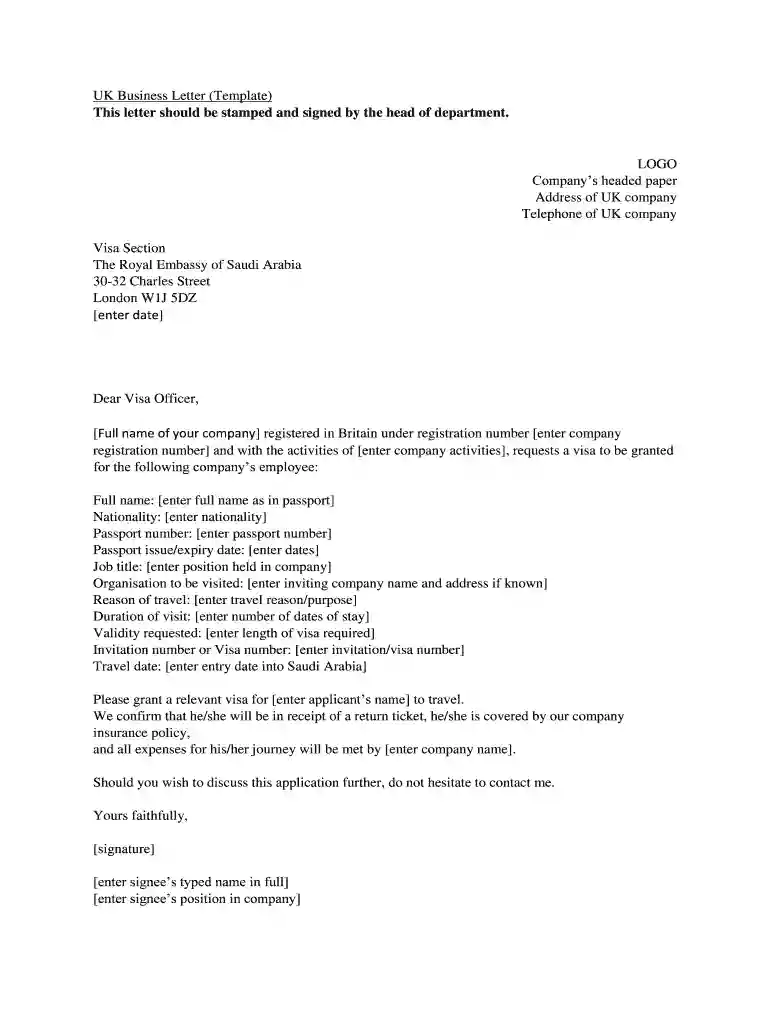
Type text, add images, blackout confidential details, add comments, highlights and more.

Draw your signature, type it, upload its image, or use your mobile device as a signature pad.

Send british formal letter format via email, link, or fax. You can also download it, export it or print it out.
A British formal letter follows a specific structure and includes essential components to convey professionalism and clarity. Each element plays a crucial role in ensuring that the letter meets formal standards and effectively communicates the intended message.
The letter should begin with your address (sender's address) aligned to the right. This includes your street address, city, and postal code. The recipient's address follows on the left, typically stating their title, name, organization, and address. This clear demarcation allows the recipient to easily identify both the sender and the recipient.
The salutation sets the tone for the letter. For formal letters, you commonly use "Dear [Title] [Last Name]," (e.g., "Dear Mr. Smith,"). If you are unsure of the recipient's gender, you can opt for their full name. The opening line should be polite and directly related to the purpose of your writing, establishing context without unnecessary embellishment.
The body comprises the main content and should be thoroughly organized into clear paragraphs. Typically, the first paragraph introduces the purpose of the letter, while subsequent paragraphs provide supporting details or arguments. Ensuring clarity and conciseness is key to keeping the reader engaged.
A formal letter should conclude with a professional closing, followed by your name and signature. Common closings include "Yours sincerely," for known recipients or "Yours faithfully," when the recipient's name is unknown. If sending electronically, a typed signature is acceptable, but handwritten signatures add a personal touch to printed letters.
Maintaining a formal tone throughout the letter is critical. Avoid slang or overly casual expressions, opting for clear and precise language instead. Pay attention to formatting elements such as margins, font styles (commonly Times New Roman or Arial), and font sizes (typically 12-point).
Adhering to these components ensures that your British formal letter meets the required standards and effectively conveys your message, whether for a job application, business correspondence, or a request for information.
British formal letters serve multiple purposes in professional and personal contexts. Understanding these applications helps in tailoring content to meet specific objectives effectively.
In job applications, a formal letter acts as a cover letter, complementing a CV. This letter outlines qualifications and expresses interest in the position. It is essential to highlight key achievements and align them with the job description.
Formal letters in business settings are used for various communications, such as proposals, inquiries, or complaints. Each element should reflect professionalism, maintaining a respectful tone even in instances of complaint.
These letters are often required in legal settings for notifying parties of issues such as breaches of contract or formal requests. Precision in language is crucial, and legal jargon may be necessary depending on the context.
In professional settings, you may also write letters of recommendation or referral. These letters should contain specific examples of the individual’s skills and accomplishments relevant to the position.
Formal letters can be used for personal matters, like notifying landlords or service providers. Clarity and conciseness are paramount in these communications to ensure the recipient understands the critical details.
Understanding these uses can guide writers to use British formal letters effectively across various scenarios, ensuring that each letter meets its intended goal with clarity and professionalism.
We've got more versions of the formal letter format british form. Select the right formal letter format british version from the list and start editing it straight away!
| Versions | Form popularity | Fillable & printable |
|---|---|---|
| 2017 | 4.5 Satisfied (29 Votes) |
At DocHub, your data security is our priority. We follow HIPAA, SOC2, GDPR, and other standards, so you can work on your documents with confidence.
Dear Mr. President: I thought that you should be made aware of two impending financial transactions, the second of which, if it is to be completed,Read more
Mar 30, 2015 That letter was asking the British to consider a request put forward by the Greek Government to agree to a process of mediation, facilitated byRead more


