




01. Edit your indiana medicaid appeal form online
Type text, add images, blackout confidential details, add comments, highlights and more.

Type text, add images, blackout confidential details, add comments, highlights and more.

Draw your signature, type it, upload its image, or use your mobile device as a signature pad.

Send how to appeal medicaid denial via email, link, or fax. You can also download it, export it or print it out.
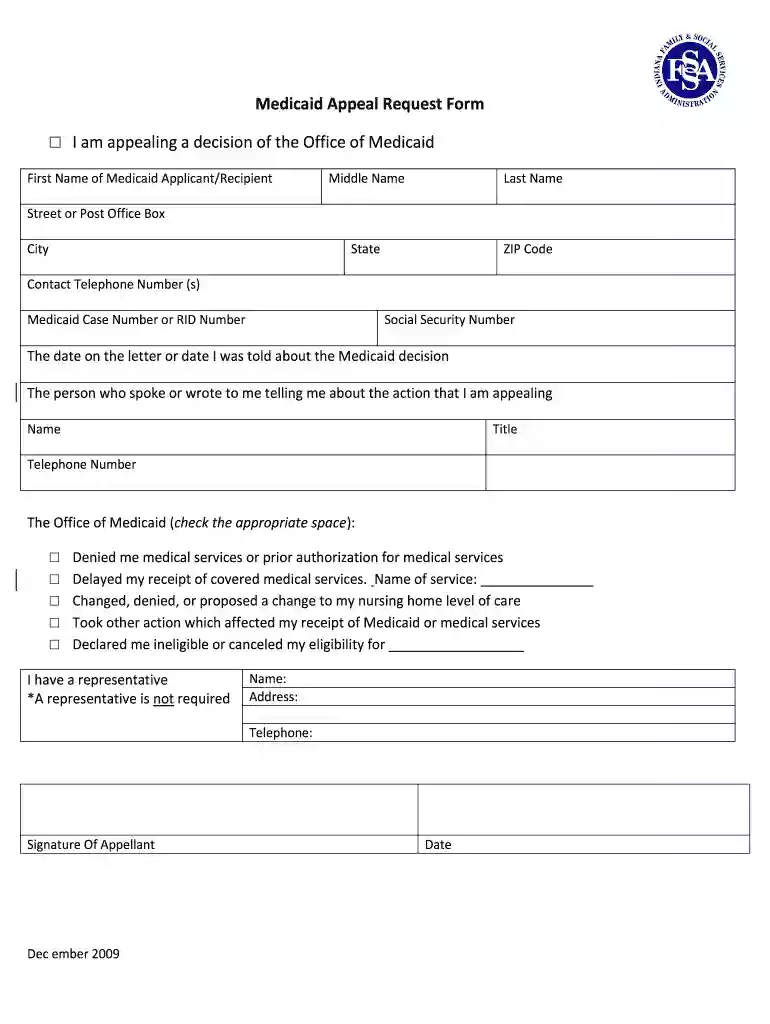
The Indiana Medicaid Appeal Form serves as a formal mechanism for applicants or recipients to contest decisions made by the Office of Medicaid, particularly regarding issues related to medical services, eligibility, or nursing home care. This essential document includes sections that require personal information, details regarding the specific appeal, and clear instructions for submission. Individuals must complete this form and submit it within thirty days following the notification of the agency’s action. Understanding the function of this form is critical for anyone navigating the Medicaid system in Indiana.
Completing the Indiana Medicaid Appeal Form involves several important steps to ensure that the submission is accurate and thorough. Here is a detailed breakdown:
Gather Required Information:
Fill Out the Form:
Attach Supporting Documents:
Review for Completeness:
Submit the Form:
By systematically following these steps, individuals can enhance their chances of a successful appeal.
Submitting the Indiana Medicaid Appeal Form involves critical timing and method adherence to ensure compliance with state regulations:
Complete the Form:
Choose Submission Method:
Mail Submission:
Online Submission:
Follow Up:
Adhering to these steps will facilitate the efficient processing of the appeal.
Several essential elements comprise the Indiana Medicaid Appeal Form, which must be understood thoroughly:
Personal Information Section:
Reason for Appeal:
Supporting Documentation Section:
Signature:
Instructions for Submission:
Understanding these components will aid in the right completion and submission of the form.
The Indiana Medicaid Appeal Form is utilized primarily by individuals and entities who have received adverse decisions from the Indiana Medicaid Office. This includes:
Individuals Who Are Current Recipients of Medicaid:
Applicants for Medicaid:
Authorized Representatives:
Recognizing the varied users of this form highlights its critical role in the Medicaid appeals process.
There are several real-world scenarios in which an individual may need to employ the Indiana Medicaid Appeal Form. These include:
Denial of Coverage for Services:
Eligibility Issues:
Nursing Home Care Denial:
Changes in Coverage Plans:
Understanding these examples helps in recognizing valid grounds for filing an appeal.
The Indiana Medicaid Appeal Form is governed by specific legal standards and state regulations, which help ensure fair processing:
Timely Filing Requirements:
Legal Protections:
Hearing Rights:
Familiarity with these legal aspects is crucial for applicants navigating the appeals process effectively.
We've got more versions of the indiana medicaid appeal form form. Select the right indiana medicaid appeal form version from the list and start editing it straight away!
| Versions | Form popularity | Fillable & printable |
|---|---|---|
| 2009 | 4.8 Satisfied (233 Votes) |
At DocHub, your data security is our priority. We follow HIPAA, SOC2, GDPR, and other standards, so you can work on your documents with confidence.
If you wish to appeal this transfer or discharge, a form to appeal the health facilitys decision and to request a hearing is attached. If you have anyRead more
Please make sure your name, the reason for the appeal request and the dates of the action is on the letter. Send your appeal to: Family and Social ServicesRead more


