




01. Edit your business license template pdf online
Type text, add images, blackout confidential details, add comments, highlights and more.

Type text, add images, blackout confidential details, add comments, highlights and more.

Draw your signature, type it, upload its image, or use your mobile device as a signature pad.

Send business license template via email, link, or fax. You can also download it, export it or print it out.
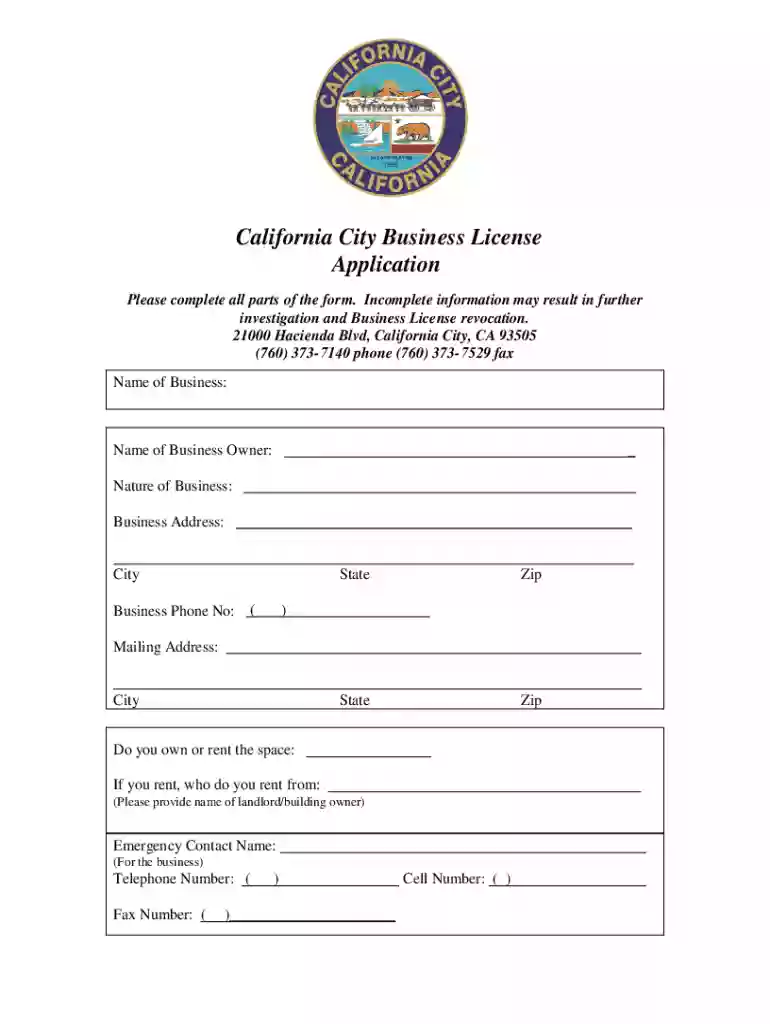
A California business license template serves as a formalized document required by the state of California for individuals and entities looking to operate businesses within its jurisdiction. This template simplifies the application process, ensuring that all necessary details are systematically documented. A business license legitimizes the operation and allows a business to comply with local, state, and federal regulations.
This template typically includes sections for:
The importance of a business license transcends legal compliance; it enhances business credibility and showcases adherence to regulations. Operating without one can result in penalties, legal complications, and operational setbacks.
Understanding the critical components of the California business license template is essential for ensuring that the application is complete and accurate. Common key elements include:
Business Information: This section collects basic details about the business such as the name, address, and registration number if applicable. Accurate information is vital for identification purposes.
Owner Information: Proprietors are required to provide their personal information, including names, addresses, and contact details. If the business is a partnership or corporation, details of all partners or officers should be included.
Business Activities Description: Applicants must describe the primary activities and services offered by the business. This assists local governments in determining the appropriate business licenses and fees based on the nature of the operations.
Zoning Compliance: Many municipalities require a declaration of compliance with local zoning laws, ensuring that the intended business location is suitable for the planned activities.
Fees and Taxes: A section detailing the different fees associated with the business license, including initial application costs and annual renewal fees.
Understanding these elements ensures that applicants provide complete and correct information, which helps streamline the approval process.
Completing the California business license template involves several steps to ensure all necessary information is accurately captured. The process includes:
Gather Required Information: Compile all necessary details about the business, including ownership information, business type, and operating location. This ensures that you have everything needed to fill out the template completely.
Choose the Correct Template: Depending on the type of business, you may need a specific version of the business license template. Selecting the right template is critical to comply with local requirements.
Fill Out the Template: Carefully input the required information into the template. Be thorough in detailing your business activities and ensure that ownership information is accurate.
Review for Errors: Go through the entire document to check for any mistakes or omissions. Incomplete applications can result in delays or rejections.
Submit the Application: Once reviewed, submit the application according to the local jurisdiction's guidelines. Methods of submission often include online, by mail, or in person.
Keep a Copy for Your Records: Retain a copy of the completed template and any submitted materials for your records. This will be useful for future renewals or any potential inquiries.
Following this structured approach minimizes errors and facilitates an efficient approval process.
The California business license template is used by a diverse range of individuals and entities planning to operate a business in California. Primary users include:
Sole Proprietors: Individuals conducting business independently without forming a separate legal entity. This group often includes freelancers and consultants.
Partnerships: Groups of two or more individuals who run a business together share the responsibilities and profits.
Corporations: Legal entities formed under state law offer liability protection to their owners. Corporations require a business license to operate effectively.
Limited Liability Companies (LLCs): These entities combine elements of both corporations and partnerships. An LLC must also obtain a business license to operate legally.
Home-Based Businesses: Individuals operating businesses from their residences often require a local business license to comply with zoning regulations.
These users benefit from the formalization of their business operations through the licensing process, enhancing their credibility and legal protections.


Several terms are essential for understanding the California business license template and its application process. Familiarity with these terms is crucial for effective navigation of the requirements:
Zoning Laws: Regulations governing land use, determining where various types of businesses can be located. Businesses must comply with local zoning ordinances when applying for a license.
Business Entity: The legal structure of a business, which can be a sole proprietorship, partnership, corporation, or LLC. The type of entity affects the license application process and compliance requirements.
Fictitious Business Name (DBA): A name used by a business that differs from its legal business name. In California, businesses operating under a DBA must often register this name with local authorities.
Renewal: The process of reapplying for the business license after expiration. Many licenses require annual renewal, and applicants must adhere to specific timelines to maintain their operating status.
Compliance: Adherence to applicable laws, regulations, and standards related to business operations. A valid business license is a key component of remaining compliant.
Understanding these terms equips applicants to navigate the business licensing landscape effectively, reducing the risk of errors or misunderstandings.
The application process for obtaining a business license in California involves several detailed steps. Each local jurisdiction may have variations in their specific procedures; however, the following outlines the general approach:
Preparation: Gather all necessary documents, including the filled business license template, identification, and any supporting materials.
Submission: Submit the application to the relevant local government office. This may include online platforms, mail submissions, or in-person visits.
Review Process: After submission, the local authority will review the application for completeness and compliance with existing regulations. This can take anywhere from a few days to several weeks depending on the jurisdiction and complexity of the application.
Notification: Once the review is complete, applicants will receive notification regarding the approval or denial of their application. If denied, a detailed explanation for the denial will typically be provided.
Issuance of License: Upon approval, the business license will be issued. This document should be displayed prominently in the business location.
The entire process can vary in duration, commonly taking between two to six weeks; thus, timely submission is recommended to accommodate any potential delays.
The legal use of the California business license template is integral to operating within the state's laws. A valid business license serves multiple legal purposes:
Regulatory Compliance: It denotes adherence to local, state, and federal regulations, which is essential for legal operation.
Tax Compliance: Many local jurisdictions require a valid business license for the assessment of business taxes, ensuring that appropriate taxes are paid based on the income generated by the business.
Liability Protection: A business license signifies a formalized business entity, helping distinguish personal assets from business liabilities, particularly for LLCs and corporations.
Credibility: Holding a business license enhances customer trust and demonstrates a commitment to lawful business practices, which can be a deciding factor for clients and partners.
Understanding the legal ramifications of the California business license template informs business operators of their obligations and rights, contributing to more informed decisions in their business journey.
We've got more versions of the business license template pdf form. Select the right business license template pdf version from the list and start editing it straight away!
At DocHub, your data security is our priority. We follow HIPAA, SOC2, GDPR, and other standards, so you can work on your documents with confidence.
Feb 8, 2013 Note: Attached is a University of California, Davis sample template for a License. Agreement providing an exclusive license under UniversityRead more
File by Mail or In Person. All business forms can be submitted by mail or in person. Locate the form that you would like to submit and follow the instructions.Read more
(6) Notebook/record keeping - Alma created the template for the wet lab and dry lab notebooks, and made sure everyone documented their work clearly andRead more


