







Understanding the ADL Flow Sheet
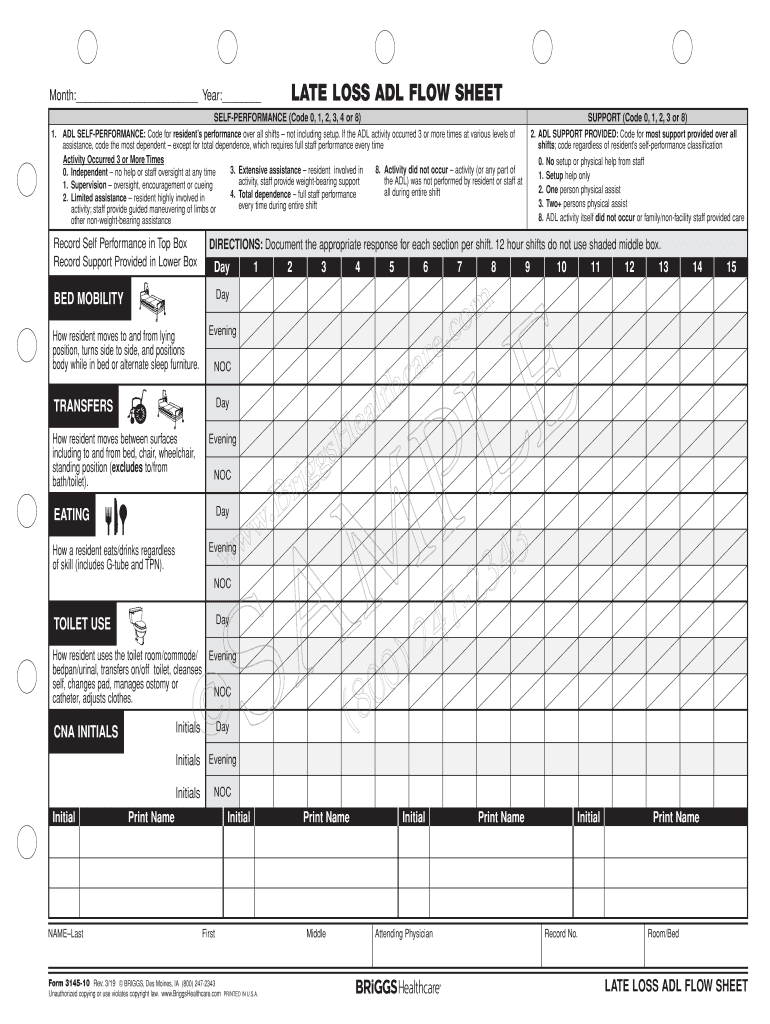
The ADL (Activities of Daily Living) flow sheet is a structured tool utilized in care settings to document and assess the performance of patients or residents in essential daily activities. It allows caregivers to track each individual's level of assistance required across multiple shifts, aiding in tailored care planning and documentation for each resident.
Purpose of the ADL Flow Sheet
The primary objective of the ADL flow sheet is to ensure consistent and accurate documentation of residents' functional capabilities. This tracking mechanism allows healthcare providers to:
- Assess the level of independence in self-care activities.
- Monitor changes in residents' abilities over time.
- Provide data for care plan updates and modifications.
- Comply with regulatory requirements for documentation in healthcare settings.
Key Components of the ADL Flow Sheet
An effective ADL flow sheet includes several crucial elements that facilitate proper tracking and reporting:
- Activities Recorded: Common activities documented include bed mobility, transfers, hygiene, dressing, eating, toileting, and communication.
- Scoring System: A standardized coding system typically ranges from independent performance to total dependence on staff assistance, ensuring clarity in the documentation.
- Time Frames: The flow sheet often accommodates shifts or time frames, enabling caregivers to log information for multiple periods throughout the day or week.
Utilizing the ADL Flow Sheet
The following steps outline how to utilize an ADL flow sheet effectively:
- Initial Assessment: Conduct a comprehensive assessment of the resident to establish a baseline of their ability to perform daily activities.
- Document Performance: For each activity, specify the level of assistance required using predefined codes (e.g., independent, minimal assistance, substantial assistance, or total dependence).
- Regular Updates: Update the flow sheet consistently, especially when an individual's care requirements change. Encourage caregivers to log observations at the end of each shift for accuracy.
- Review and Analyze Data: Periodically review the compiled data to identify trends, improvement areas, or the need for adjustments in resident care plans.
Advantages of Using an ADL Flow Sheet
Implementing an ADL flow sheet offers numerous benefits, including:
- Improved Care Quality: Consistent tracking leads to highly personalized care plans that cater to the specific needs of each resident.
- Enhanced Communication: The flow sheet serves as a detailed communication tool among healthcare providers, ensuring all staff members are informed about residents' needs.
- Regulatory Compliance: Many healthcare facilities are mandated to maintain accurate documentation, and using an ADL flow sheet facilitates compliance with these requirements.
Common Examples of ADL Flow Sheet Categories
ADL flow sheets can vary based on facility needs, but typical categories include:
- Bed Mobility: Documenting assistance needed for repositioning in bed.
- Transfers: Noting help required for moving from one location to another, such as from a bed to a chair.
- Eating and Drinking: Tracking assistance needed during meals and hydration, which is crucial for nutritional monitoring.
- Personal Hygiene: Recording support required for bathing, grooming, and using the toilet.
Legal and Ethical Considerations
In the U.S., proper documentation of ADLs is vital not only for patient care but also for legal protection in cases of disputes. Adhering to confidentiality and record-keeping standards is essential, aligning with HIPAA regulations governing patient information.
Conclusion
The ADL flow sheet serves as a critical tool for healthcare providers in documenting and modifying resident care plans based on daily functional assessments. By employing these structured tools effectively, facilities can enhance care quality, ensure compliance, and provide better outcomes for their residents.




