
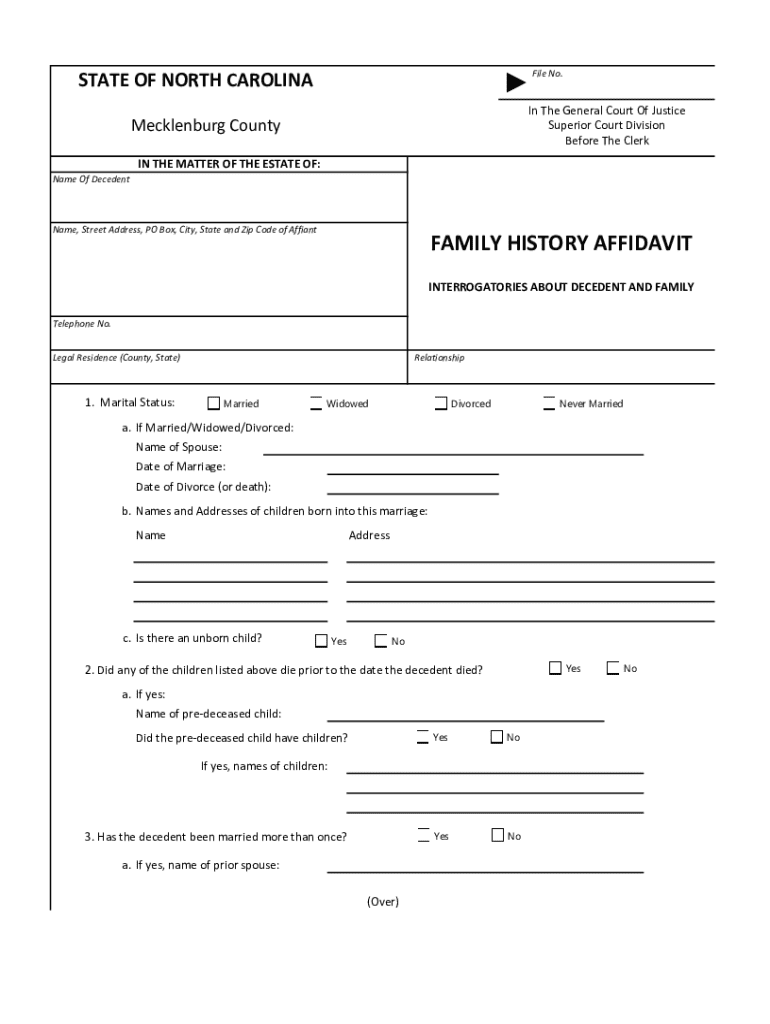







Definition and Purpose of the MVR 317
The MVR 317, formally known as the Affidavit of Authority to Assign Title, is a critical form used in North Carolina for transferring vehicle titles, particularly when the original titleholder has passed away. This form is essential when there is no will, allowing surviving family members or heirs to claim ownership of the vehicle. It provides legal authority to the appointed individual, evidencing their right to manage the deceased's assets, including automobiles.
Key aspects of the MVR 317 include:
- Legal Recognition: The MVR 317 is recognized under North Carolina law as a valid document for title transfer.
- Heirship Confirmation: This form affirms the relationship between the deceased and the claimant, ensuring that only lawful heirs can transfer the vehicle title.
- No Will Required: Specially designed for situations lacking a will, enabling smoother processing for families during challenging times.
How to Use the MVR 317 Form
Using the MVR 317 form involves several key steps, ensuring that all necessary information is accurately provided to facilitate the smooth transfer of title. Fill out this form when you are the next of kin or an heir of the deceased vehicle owner.
Steps to effectively use the form include:
- Gather Required Information: Collect data related to the vehicle, such as VIN (Vehicle Identification Number), make, model, and year.
- Complete All Sections: Fill in all sections of the MVR 317 thoroughly, including details about the deceased, the claimants, and the vehicle itself.
- Signature and Notarization: Obtain the necessary signatures, often requiring notarization to validate the document. This step is crucial for legal acceptance.
- Submit to the DMV: Once completed, submit the form along with any additional documentation to the North Carolina Division of Motor Vehicles (DMV) for processing.
By following these steps diligently, the transfer process can be expedited.
Steps to Complete the MVR 317 Form
Completing the MVR 317 form accurately is vital to ensure proper processing. The following steps outline how to fill out the form:
- Identify the Deceased Owner: Fill in the name, date of birth, and address of the deceased.
- Provide Claimant Information: Enter the details of the person claiming the title, including their relationship to the deceased.
- Vehicle Details: Input comprehensive vehicle information, including the VIN, year, make, and model.
- Affirmation of Heirs: Include an affirmation of other potential heirs if necessary, which may be required if there are multiple claimants.
- Sign and Date: Complete the form with your signature and the date to validate the claim.
Double-check that all fields are filled in correctly and that any supporting documents, such as a death certificate or evidence of relationship, are prepared for submission.
Important Terms Related to the MVR 317
Understanding key terminology related to the MVR 317 can significantly enhance clarity during the title transfer process. Key terms include:
- Affidavit: A written statement confirmed by oath or affirmation for use as evidence in legal proceedings.
- Claimant: The individual or legal representative attempting to claim the title of a vehicle following the death of the owner.
- Next of Kin: Refers to the closest living relatives of the deceased, often entitled to inherit property.
- Transfer of Title: The legal change of ownership of a vehicle from the deceased to the claimant.
Familiarity with these terms can aid in navigating the process more effectively, ensuring all legal jargon is understood.
State-Specific Rules for the MVR 317 in North Carolina
North Carolina has established specific regulations governing the use of the MVR 317 form, especially related to the title transfer of vehicles after the owner’s death. Key points of these rules include:
- Eligibility of Heirs: Typically, the surviving spouse, children, or designated relatives are eligible to complete the MVR 317. It is imperative that they provide documentation proving their relationship.
- Required Supporting Documents: To support the MVR 317, claimants may need to present a death certificate and, if applicable, documentation of previous titles or registrations.
- Fees: Transferring a title may incur fees, which are determined by the DMV. It's important to confirm the current fees to avoid delays in processing.
- Timeliness: There are expectations regarding the prompt submission of the MVR 317. Although no explicit deadlines exist for this specific form, it is beneficial to submit claims as soon as possible to ensure compliance and avoid potential issues later.
By adhering to these rules, claimants can facilitate the vehicle transfer process effectively within compliance of state laws.




