




01. Edit your irs form 8814 online
Type text, add images, blackout confidential details, add comments, highlights and more.

Type text, add images, blackout confidential details, add comments, highlights and more.

Draw your signature, type it, upload its image, or use your mobile device as a signature pad.

Send it via email, link, or fax. You can also download it, export it or print it out.
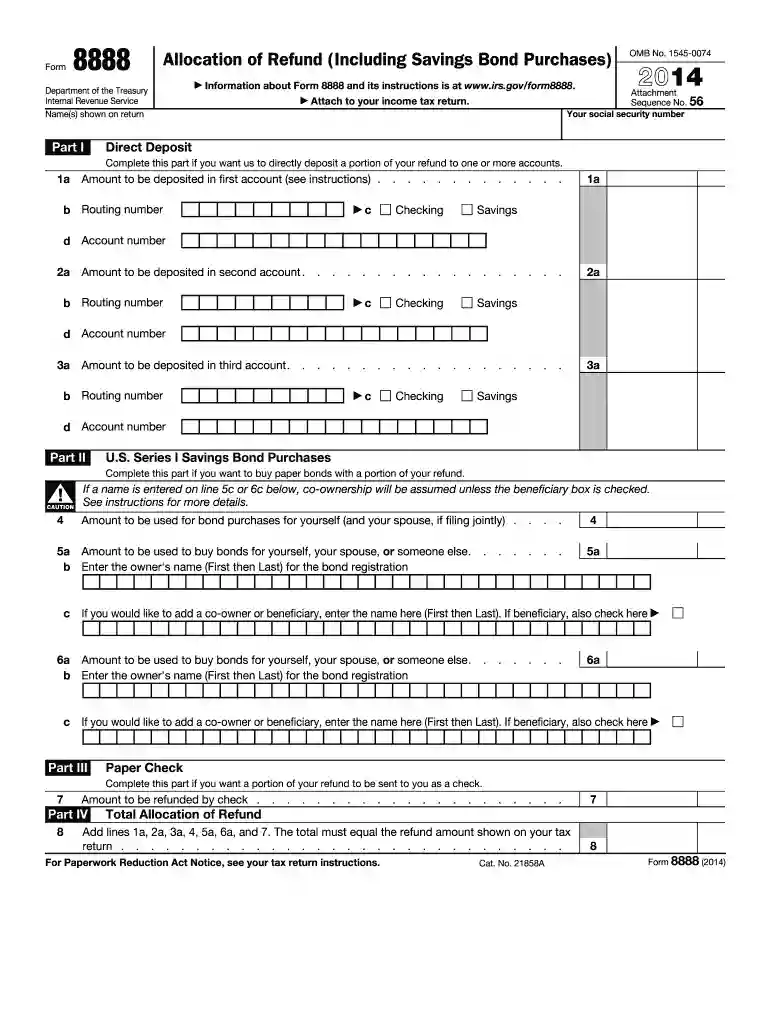
The term "Add lines 1a, 2a, 3a, 4, 5a, 6a, and 7" typically refers to a specific financial or tax form section used to calculate or itemize various fiscal components. In tax forms, these lines often appear in sections that require detailed input, such as income, deductions, or credits. The concept is integral to understanding how particular numbers contribute to the overall financial or tax liability calculation.
These lines are generally used by individuals and entities who need to report detailed financial data for tax purposes. This can include:


For taxpayers utilizing forms with these lines, being aware of deadlines is crucial:
The information filled in these lines must adhere to strict legal guidelines:
An individual filing their taxes may use these lines to declare:
A business owner might use these lines to declare:
Understanding and accurately completing these lines ensures precise financial and tax reporting.
We've got more versions of the irs form 8814 form. Select the right irs form 8814 version from the list and start editing it straight away!
| Versions | Form popularity | Fillable & printable |
|---|---|---|
| 2025 | 4.5 Satisfied (32 Votes) | |
| 2024 | 4.3 Satisfied (27 Votes) | |
| 2022 | 4.2 Satisfied (49 Votes) | |
| 2021 | 4.8 Satisfied (47 Votes) | |
| 2020 | 4.2 Satisfied (90 Votes) | |
| 2019 | 4.3 Satisfied (134 Votes) | |
| 2018 | 4.4 Satisfied (129 Votes) | |
| 2017 | 4.4 Satisfied (216 Votes) | |
| 2016 | 4.4 Satisfied (159 Votes) | |
| 2015 | 4.1 Satisfied (71 Votes) | |
| 2014 | 4.3 Satisfied (51 Votes) | |
| 2013 | 4 Satisfied (37 Votes) | |
| 2012 | 4.1 Satisfied (40 Votes) | |
| 2011 | 4.1 Satisfied (70 Votes) | |
| 2010 | 4.3 Satisfied (57 Votes) |
At DocHub, your data security is our priority. We follow HIPAA, SOC2, GDPR, and other standards, so you can work on your documents with confidence.
Line 1(a) through line 5 are manual entry. Line 6 calculates the smaller of lines 3, 4, or 5. Line 7 prepopulates with the amount from Form 1040, line 11a.Read more
3. 4. Total credit. Add lines 1 through 3. Estates and trusts figuring the credit for a clean renewable energy bond, go to line 5; Partnerships and SRead more
B if required. 2a Tax-exempt interest . . . 3a Qualified dividends . . . 4a Add lines 1, 2b, 3b, 4b, 5b, 6b, 7, and 8. This is your total incomeRead more


