







Understanding Safekeeping Receipts
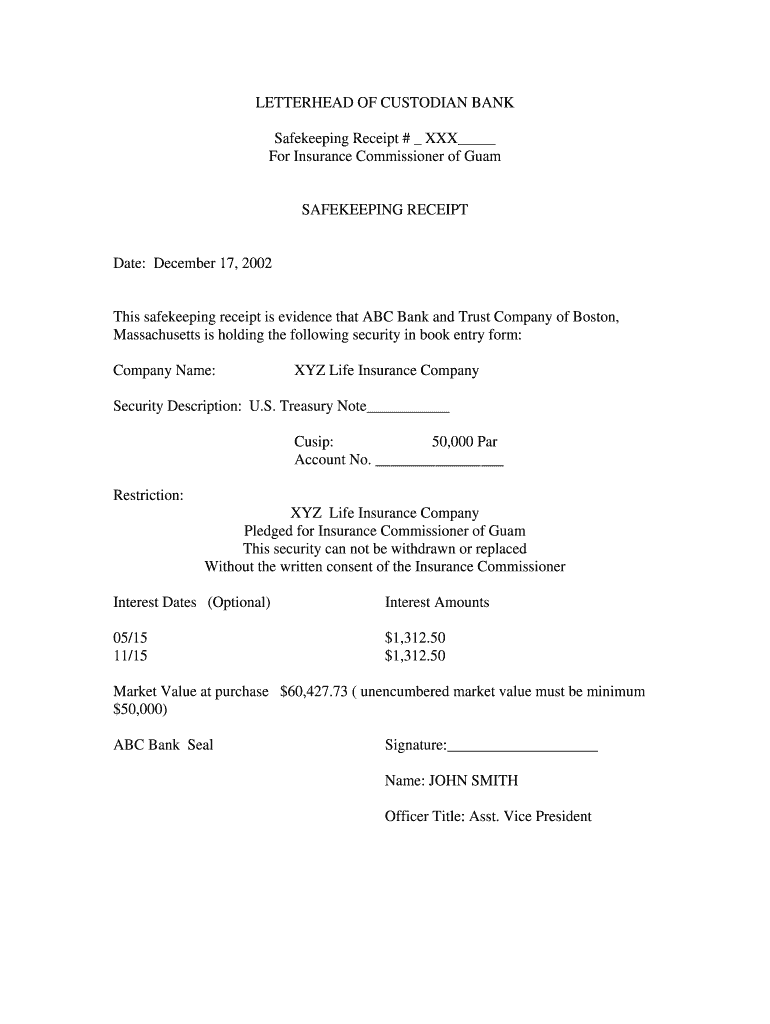
A safekeeping receipt is a document that certifies the temporary storage of valuables, such as financial securities, by a custodial entity. It provides proof of possession and ownership, detailing important information about the item being safeguarded. This document is essential for both personal and corporate finance, providing security and clarity in financial transactions.
Key Elements of a Safekeeping Receipt
- Identification Information: This includes the name of the depositor, the date of deposit, and details of the securities or items being held.
- Custodian Details: Information pertaining to the custodial institution or agency, including their legal responsibilities.
- Description of Assets: A detailed account of the items being kept safe, which may include market value, security type, and any identifying numbers.
- Security Compliance Information: Outlines protocols regarding the safekeeping of the items, including security measures taken by the custodian.
- Withdrawal Restrictions: Specifies any limitations on when or how items may be retrieved, ensuring that both parties agree to the terms of safekeeping.
Practical Applications of Safekeeping Receipts
Safekeeping receipts have several practical applications across different domains:
-
Investment Protection: Investors use these receipts to ensure that their financial instruments, such as stocks and bonds, are protected. The receipt serves as proof of ownership and can facilitate easier transactions in the future.
-
Legal Documentation: In legal or estate planning contexts, safekeeping receipts can be critical for proving the existence and ownership of valuable assets, mitigating disputes after an individual’s passing.
-
Negotiable Instruments: Businesses may use these receipts for instruments, such as promissory notes or checks, until they are ready to negotiate or encash them.
-
Gold and Precious Gifts: In specific instances, such as with gold holdings or valuables gifted to an individual, a safekeeping receipt acts as documentation of ownership until they are transferred or used.
Variants of Safekeeping Receipts
There are various types of safekeeping receipts depending on the institution or asset type involved:
- Gold Safekeeping Receipt: Typically issued by banks or precious metal custodians, detailing the amount and quality of gold being held.
- Custodial Bank Safekeeping Receipt: Often used in corporate finance settings, these receipts provide businesses with a record of their deposited securities.
- Legal Safekeeping Agreement: A more detailed document outlining terms and conditions under which assets are held, including custody and withdrawal terms.
Process for Issuing and Using a Safekeeping Receipt
Issuing and utilizing a safekeeping receipt involves a systematic process:
-
Deposit Item with Custodian: The depositor presents their asset to the designated custodian.
-
Custodian Verification: The custodian verifies the item and its condition, ensuring all relevant details are correctly documented.
-
Receipt Generation: After verification, the custodian generates the safekeeping receipt, including all vital information about the item and the custodial agreement.
-
Record Keeping: The depositor retains a copy of the receipt for their records, which may be required for future transactions or asset recovery.
-
Withdrawal Process: When retrieving the asset, the depositor must present the safekeeping receipt to the custodian, following any withdrawal restrictions as outlined in the document.
Importance of Safekeeping Receipts in Financial Security
Safekeeping receipts are vital for ensuring the security of valuable items throughout the ownership lifecycle. They provide peace of mind to depositors, affirm the legitimacy of custodial practices, and serve as essential records in financial and legal contexts. They also help prevent misunderstandings or disputes regarding asset ownership and custody, making them a critical component of safeguarding valuables.
By understanding the various facets of safekeeping receipts, individuals and businesses can take informed steps to protect their financial interests with confidence.




