TB Screening - National Association for Family Child Care - nafcc 2026

Get Form
TB Screening - National Association for Family Child Care - nafcc Preview on Page 1

Here's how it works

01. Edit your form online
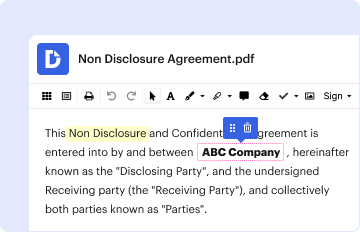
Type text, add images, blackout confidential details, add comments, highlights and more.

02. Sign it in a few clicks
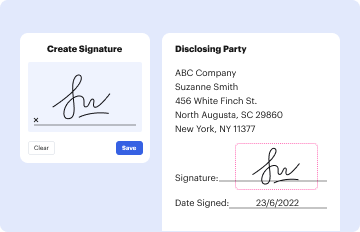
Draw your signature, type it, upload its image, or use your mobile device as a signature pad.

03. Share your form with others
Send it via email, link, or fax. You can also download it, export it or print it out.

How to use or fill out TB Screening - National Association for Family Child Care - nafcc with our platform

Form edit decoration
9.5
Ease of Setup
DocHub User Ratings on G2
9.0
Ease of Use
DocHub User Ratings on G2
  1. Click ‘Get Form’ to open it in the editor.
  2. Begin by filling in your name and selecting whether you are a Child Care Provider or an Assistant. Ensure your contact number is accurate.
  3. Next, provide your complete address, including city, state, and zip code.
  4. In the TB screening status section, check the appropriate box that reflects your TB test results. If applicable, enter the date of your test.
  5. If a health care professional has completed your TB screening, ensure their signature is included along with the date and their contact information.
  6. Review all entries for accuracy before saving or exporting the completed form.

Start using our platform today to easily fill out and manage your TB Screening form for free!

See more TB Screening - National Association for Family Child Care - nafcc versions

We've got more versions of the TB Screening - National Association for Family Child Care - nafcc form. Select the right TB Screening - National Association for Family Child Care - nafcc version from the list and start editing it straight away!
Versions Form popularity Fillable & printable
2012 4.5 Satisfied (30 Votes)
be ready to get more

Complete this form in 5 minutes or less

Get form

Got questions?

We have answers to the most popular questions from our customers. If you can't find an answer to your question, please contact us.
Contact us
Children with a positive test but no symptoms have latent disease. They can remain in this stage for a very long time. They do not have any symptoms and they do not spread the disease to others. If TB remains untreated in the body, it may activate at any time.
In 2024, the American Academy of Pediatrics (AAP) changed their recommendation from limiting the use of IGRAs to children aged older than 2 years to using these tests in children of any age. In fact, IGRAs are preferred in most cases, but particularly in children vaccinated with BCG.
The goal is not only to identify those with latent TB infection but to ensure that if found, it is treated effectively to prevent active disease. Understanding the requirements and steps involved ensures youre well-prepared and can help maintain a healthy and safe school environment.
The CDC estimates that about 13 million people in the U.S. have latent TB infection, with a risk of developing active TB at some point in their lives. Schools and childcare centers are at higher risk due to close-contact environments, making routine TB testing an essential precautionary measure.
You may need a TB test if you have: Symptoms of TB disease. Spent time with someone who has active TB disease. Factors that put you at higher risk of developing active TB disease.

Security and compliance

At DocHub, your data security is our priority. We follow HIPAA, SOC2, GDPR, and other standards, so you can work on your documents with confidence.

Learn more
ccpa2
pci-dss
gdpr-compliance
hipaa
soc-compliance

People also ask

Testing for TB infection There are two types of tests for TB infection: the TB blood test and the TB skin test. Current CDC guidelines recommend the TB skin test as the method of testing for children younger than 5 years of age, while noting that some experts use TB blood tests in younger children.
The doctor will arrange for some tests to see if your child has been infected with TB. Mantoux test (tuberculin skin test): A skin (scratch) test is done to see whether the child has been exposed to the TB bacteria. A small amount of fluid is injected into the skin on the forearm through the scratch.

Related links