







Understanding District Office Support Services
District Office Support Services represent a fundamental aspect of administrative functions within various organizations, particularly in educational and governmental settings. These services encompass a range of operational support tasks that ensure the smooth functioning of offices by managing document workflows, communication, and resource allocation. Primarily used by district administrators, these services are critical for coordinating effectively between different departments and ensuring that the organizational goals are met efficiently. An in-depth understanding of these services can significantly enhance productivity and the overall management of office tasks.
Key Features and Functionality
District Office Support Services typically offer a variety of features that streamline administrative tasks. These include document management systems that allow for the digital editing and signing of documents, which helps in reducing paperwork and improving the speed of task completion. Moreover, these services often incorporate secure communication channels for effective internal and external communications. Accessibility from various devices ensures that office staff can manage their responsibilities remotely, facilitating a flexible working environment. The use of authentication protocols ensures that only authorized personnel have access to sensitive information, maintaining a high level of security within the office.
How to Implement District Office Support Services
Implementing District Office Support Services effectively requires a well-structured approach. The first step involves assessing the specific needs of the office, which varies based on the size and nature of the organization. Following this, selecting a service provider that aligns with these needs is crucial. Upon selection, office staff should be trained on utilizing the tools provided, particularly for document management and communications. Regular updates and feedback loops can help in refining the use of these services over time, ensuring that they are adapting to evolving office demands. Documentation and support services provided by the vendor are instrumental in facilitating a smooth implementation process.
Legal Compliance in District Office Support Services
Legal compliance is a critical consideration when utilizing District Office Support Services. These services must adhere to regulatory standards that govern data privacy and document handling, especially in sectors like education and government. For example, ensuring compliance with acts such as the Family Educational Rights and Privacy Act (FERPA) or the Health Insurance Portability and Accountability Act (HIPAA) is essential for protecting sensitive information. Organizations must regularly review these compliance standards to prevent unauthorized access and potential legal ramifications. Implementing secure encryption and access control measures are effective ways to maintain compliance and safeguard institutional integrity.
Importance of Legal Compliance
The significance of legal compliance extends beyond the protection of data; it impacts the organization's reputation and operational legality. Non-compliance can lead to severe penalties, including fines and legal action, which can disrupt normal operations and damage trust. By prioritizing compliance, organizations not only protect themselves legally but also demonstrate a commitment to safeguarding stakeholders' interests. Regular audits and compliance checks should be incorporated into the organization's workflow to ensure ongoing adherence to legal standards.
Steps to Complete Required Documentation
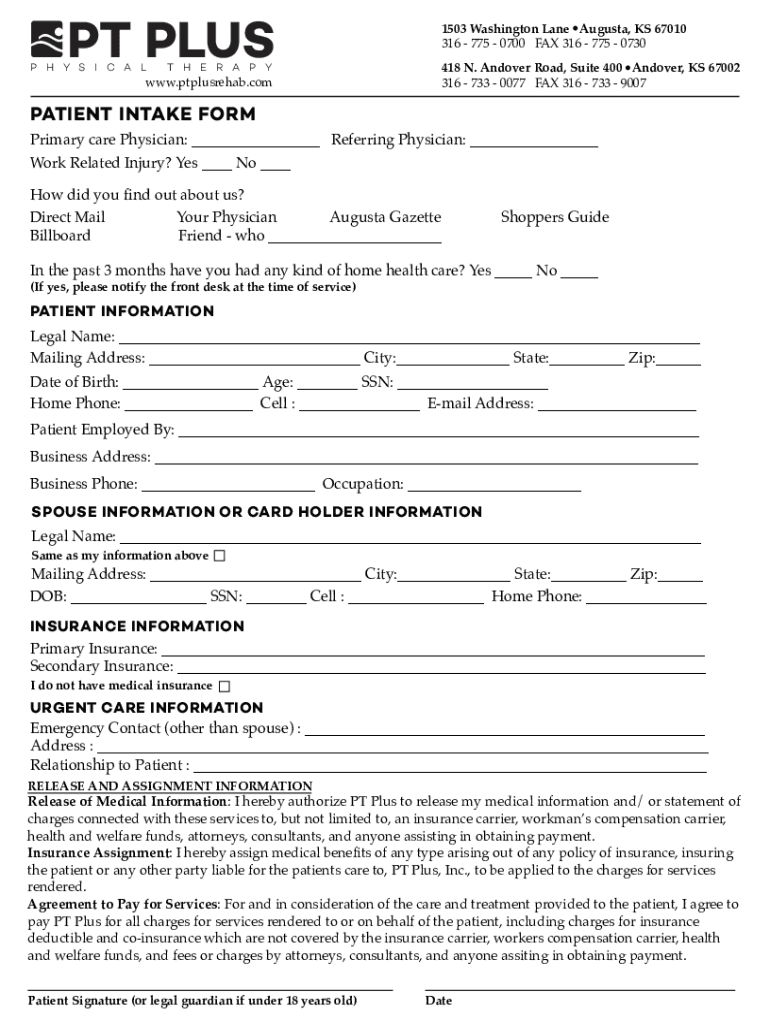
Completing documentation efficiently and accurately is a central aspect of District Office Support Services. This process typically involves several key steps:
- Document Creation: Begin by identifying the necessary forms or documents required for specific tasks.
- Information Gathering: Collect all relevant data and inputs from involved parties to ensure comprehensive and accurate information.
- Form Completion: Fill out forms using appropriate tools offered by the support services, ensuring meticulous attention to detail.
- Verification: Review the completed documents to verify accuracy and completeness, minimizing potential errors.
- Approval and Authorization: Submit the documentation for approval by authorized personnel, if required, to ensure compliance with internal policies.
- Filing and Storage: Store approved documents within secure systems, providing easy retrieval for future reference and audits.
Effective documentation processes enhance the efficiency of office operations and contribute to accurate record-keeping.
Examples of Using District Office Support Services
The practical application of District Office Support Services is diverse, spanning multiple organizational functions. For instance, in a school district, these services might be used to manage student enrollment processes, handle payroll for staff, or coordinate scheduling for district-wide events. Government offices may use these services to streamline the processing of public records requests or coordinate communication between different departments. Such examples illustrate the versatility of these services in optimizing administrative tasks across various settings.
Case Studies and Real-World Applications
Exploring real-world applications provides insights into the benefits of these services. For example, a school district implemented digital signatures to reduce the time spent on form approvals, leading to a 30% increase in administrative efficiency. In another scenario, a government office utilized document management systems to centralize their filing system, improving access and reducing redundancy. These case studies reflect the potential improvements in productivity and operational efficiency.
Important Terms Related to District Office Support Services
An understanding of the terminology associated with District Office Support Services is crucial for effective implementation and use. Some key terms include:
- Authentication Protocols: Measures ensuring secure access to services, preventing unauthorized entry.
- Encryption: The process of converting sensitive information into a secure format, unreadable by unauthorized parties.
- Document Management: A system for organizing, storing, and tracking documents electronically.
- Compliance: Adhering to laws and regulations governing document management and data privacy.
Glossary of Key Terms
Continuing on, it is beneficial to maintain a glossary of terms related to district services to facilitate clearer communication within the organization and enhance operational efficiency. Understanding these terms is fundamental to navigating the complexities of office support services effectively.
Software Compatibility and Integration
In today's digital era, the integration of software solutions like District Office Support Services with existing systems is critical for seamless operations. Compatibility with commonly used software applications like Google Workspace or Microsoft Office ensures that users can work across platforms without disruptions. Additionally, services that offer API integrations or plugins enable organizations to expand functionalities tailored to their specific needs. Ensuring that these services are compatible with existing technologies can lead to significant time savings and enhance workflow efficiency, making the deployment more successful.
Steps for Ensuring Compatibility
Organizations should follow methodical steps to ensure software compatibility:
- Assessment: Evaluate existing software infrastructure to understand compatibility needs.
- Testing: Conduct trial runs of the services to identify potential integration issues.
- Vendor Collaboration: Work closely with service providers to address any compatibility concerns.
- Continuous Monitoring: Regularly update systems and services to prevent compatibility issues from arising.
These steps aid organizations in mitigating potential technological challenges associated with adopting new office support services.
Penalties for Non-Compliance in Document Management
Organizations must remain vigilant about the penalties associated with non-compliance. Failure to adhere to legal standards related to document management can result in hefty fines and legal actions. The ramifications often extend beyond immediate financial penalties, affecting long-term reputations and stakeholder trust. Organizations should prioritize compliance through routine audits, staff training, and adopting robust document management practices. By doing so, they ensure adherence to regulations and avoid the substantial consequences of non-compliance.




