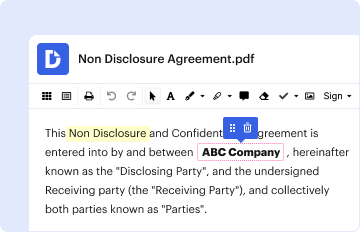
Type text, add images, blackout confidential details, add comments, highlights and more.
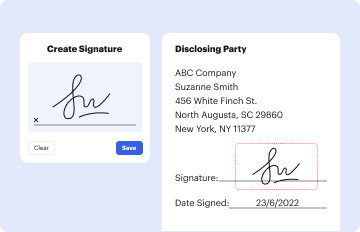
02. Sign it in a few clicks
Draw your signature, type it, upload its image, or use your mobile device as a signature pad.
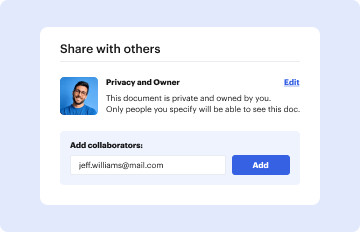
03. Share your form with others
Send it via email, link, or fax. You can also download it, export it or print it out.
How to use or fill out False Alarm Reduction Program - Alarm Registration doc with our platform
Ease of Setup
DocHub User Ratings on G2
Ease of Use
DocHub User Ratings on G2
Click ‘Get Form’ to open the False Alarm Reduction Program - Alarm Registration document in the editor.
Begin by entering the address where your alarm is located. Fill in the street number, street name, suite number (if applicable), city, state, and zip code.
Provide your telephone number and select the type of alarm you have from options such as burglar, panic, medical, or robbery/hold up.
If you are a residential user, complete the 'Residential Alarm User Information' section with your name. For commercial users, fill out the 'Commercial Alarm User Information' section including business entity name, mailing address (if different), trade name, owner’s details, and contact information.
In the 'Additional Information' section, list any additional contacts who can respond to an alarm activation and provide their details.
Finally, include information about your alarm service/install company and monitoring company if applicable. Don’t forget to mention any special conditions related to your alarm setup.
Start filling out your form for free today using our platform!
Fill out False Alarm Reduction Program - Alarm Registration doc online It's free
See more False Alarm Reduction Program - Alarm Registration doc versions
We've got more versions of the False Alarm Reduction Program - Alarm Registration doc form. Select the right False Alarm Reduction Program - Alarm Registration doc version from the list and start editing it straight away!
This Instruction Manual (Applied) provides instructions for advanced use of the FR-E700 series CC-Link type inverters. Incorrect handling might cause anRead more
How to Create an Alarm Abuser School for your Municipality
Your outline should cover: the problem and cost of false alarms, the local impact of false alarms, tools that your locality is implementing through its localRead more
Every alarm system user (both residential and non-residential) must register with the False Alarm Reduction Unit. Alarm registrations are specific to the AlarmRead more
Cookie consent notice
This site uses cookies to enhance site navigation and personalize your experience.
By using this site you agree to our use of cookies as described in our Privacy Notice.
You can modify your selections by visiting our Cookie and Advertising Notice.