




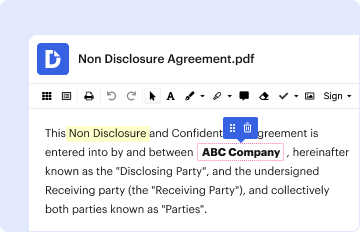


Definition and Meaning of PDF Form Examples
PDF forms are interactive digital documents designed to collect and process information efficiently. They can range from simple single-page forms to complex multi-page applications featuring dynamic content. A PDF form example demonstrates the capabilities that these documents offer, showcasing elements such as text fields, checkboxes, drop-down menus, and digital signature areas. By using these forms, individuals and businesses can streamline data entry, reduce paperwork, and improve data accuracy.
Key Components of a PDF Form Example
- Text Fields: Allow users to input text information.
- Checkboxes: Provide options for multiple selections.
- Drop-down Menus: Enable selection from a list of predefined items.
- Digital Signatures: Facilitate secure, paperless signing of documents.
Enhancements Over Traditional Documents
PDF forms eliminate the need for physical forms and manual entry, significantly decreasing the time and resources spent on processing. They also offer robust security measures, ensuring that sensitive information is collected and stored safely.
How to Use the PDF Form Example
Interacting with a PDF form example follows a simple process, allowing users to efficiently input their information.
- Open the Form: Use compatible software or an online platform like DocHub to open the PDF form.
- Input Data: Fill out the required sections using your keyboard or touchscreen.
- Select Options: Make selections in checkboxes or drop-down menus where necessary.
- Sign Digitally: Apply a digital signature if required.
Leveraging Interactive Elements
Familiarize yourself with the interactive elements of the form, ensuring that data entry is accurate and complete. By previewing how data is input and stored, users can help maintain consistency and validity across similar forms.
Steps to Complete the PDF Form Example
Completing a PDF form requires attention to detail and understanding of the specific requirements.
- Review Instructions: Read any accompanying instructions to understand form requirements.
- Gather Information: Collect all necessary documents and data beforehand.
- Complete Each Section: Ensure all required fields are filled accurately.
- Validate Information: Double-check entered data for errors or omissions.
- Submit Form: Follow precise submission guidelines, whether electronically or by mail.
Practical Considerations
Consider the specific context in which the form is being used, such as business, legal, or personal applications, as this affects the completion process and submission requirements.
Why Should You Use PDF Form Examples?
Utilizing PDF form examples offers numerous benefits, particularly within professional environments.
- Efficiency: Automated data collection reduces time spent on manual data entry.
- Security: Built-in encryption protects sensitive information.
- Accessibility: Compatible with various devices, facilitating access from multiple locations.
- Environmentally Friendly: Reduction in physical paperwork contributes to sustainability.
Vendor-Specific Advantages
Platforms like DocHub enhance these forms by integrating collaboration tools, real-time edits, and cloud storage options, promoting interactivity in document preparation and management.
Key Elements of the PDF Form Example
Understanding the core components of a PDF form is crucial for effective use.
- Form Fields: Sections where data is specifically input by the user.
- Instructions: Guidelines accompanying form fields to ensure proper completion.
- Validation Checks: Automated measures ensuring data is in the correct format.
- Submission Buttons: Facilitate electronic submission directly from the form.
Customizable Feature Sets
Form creators can tailor elements based on project needs, providing users with customized solutions that address specific data collection requirements.
Legal Use of the PDF Form Example
PDF forms can have legal implications based on their content and use.
- Compliance: Ensure forms adhere to legal standards such as the ESIGN Act for digital signatures.
- File Retention: Understand obligations regarding the storage and access to completed forms.
- Privacy Laws: Be aware of data protection regulations like GDPR when handling personal information.
Industry-Specific Legalities
Different industries such as healthcare, finance, or real estate might have unique legal standards and requirements for electronic documentation, which should be considered when creating or using PDF forms.
Examples of Using PDF Form Examples
PDF forms are utilized across various fields and scenarios.
- Tax Documents: Collect and organize taxpayer information efficiently.
- Employment Applications: Streamline the hiring process with standardized data entry.
- Customer Surveys: Gather feedback from clients with structured questionnaires.
Success Stories
Organizations leveraging PDF forms have reported higher data accuracy and reduced administrative burdens, facilitating a more agile operational environment.
State-Specific Rules for PDF Form Examples
State regulations can influence the form structure and requirements.
- Compliance Variations: Each state may have different laws influencing form design and data handling.
- Tax Considerations: State tax forms may vary significantly, requiring customization in form creation.
Tailoring Forms for Regional Use
Adapting forms to comply with local laws ensures legal validity and operational effectiveness, offering both users and organizations a more seamless form completion process.