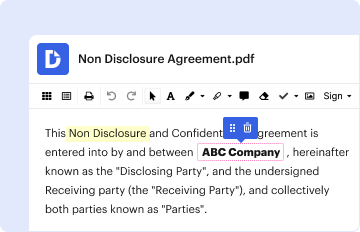
Type text, add images, blackout confidential details, add comments, highlights and more.
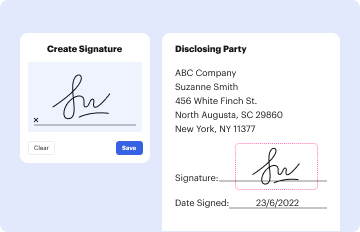
02. Sign it in a few clicks
Draw your signature, type it, upload its image, or use your mobile device as a signature pad.
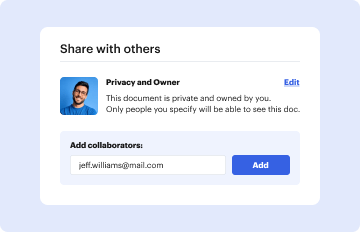
03. Share your form with others
Send it via email, link, or fax. You can also download it, export it or print it out.
How to use or fill out NATURAL RESOURCES AND ENVIRONMENTAL PROTECTION CABINET
Ease of Setup
DocHub User Ratings on G2
Ease of Use
DocHub User Ratings on G2
Click ‘Get Form’ to open it in the editor.
Begin with Section I: Applicant Information. Fill in your ownership status by checking the appropriate box, then select how you are applying for liability protection. Provide your name, mailing address, and contact details.
Move to Section II: Property Information. Enter the physical address of the property, county, agency interest number if applicable, and the date purchased or prospective closing date.
In Section III: Certification Statement of Applicant, read through the certification statements carefully. Ensure you understand each point before typing your name and signing where indicated.
Finally, proceed to Section IV: Attached Documents. Gather and attach all required documents in the specified order before submitting your form.
Start using our platform today to streamline your form completion process for free!
Fill out NATURAL RESOURCES AND ENVIRONMENTAL PROTECTION CABINET online It's free
See more NATURAL RESOURCES AND ENVIRONMENTAL PROTECTION CABINET versions
We've got more versions of the NATURAL RESOURCES AND ENVIRONMENTAL PROTECTION CABINET form. Select the right NATURAL RESOURCES AND ENVIRONMENTAL PROTECTION CABINET version from the list and start editing it straight away!
Natural resources and environmental protection cabinet phone numberNatural resources and environmental protection cabinet ky govKentucky natural resources and environmental protection cabinetKentucky energy and environment cabinet jobsKY Environmental Management BranchKy department for environmental protection electronic submittalsDepartment of Environmental ProtectionKy Governors Conference on Energy and the Environment
Security and compliance
At DocHub, your data security is our priority. We follow HIPAA, SOC2, GDPR, and other standards, so you can work on your documents with confidence.
Kentucky Department for Environmental Protection (DEP)
Kentuckys residents and businesses must work together to preserve the resource quality and diversity that make Kentucky a great place to live, work and play.Read more
Apr 17, 2026 Quarterly publication focused on the Kentucky Energy and Environment Cabinets work to preserve and protect the states land, air and waterRead more
Cookie consent notice
This site uses cookies to enhance site navigation and personalize your experience.
By using this site you agree to our use of cookies as described in our Privacy Notice.
You can modify your selections by visiting our Cookie and Advertising Notice.