
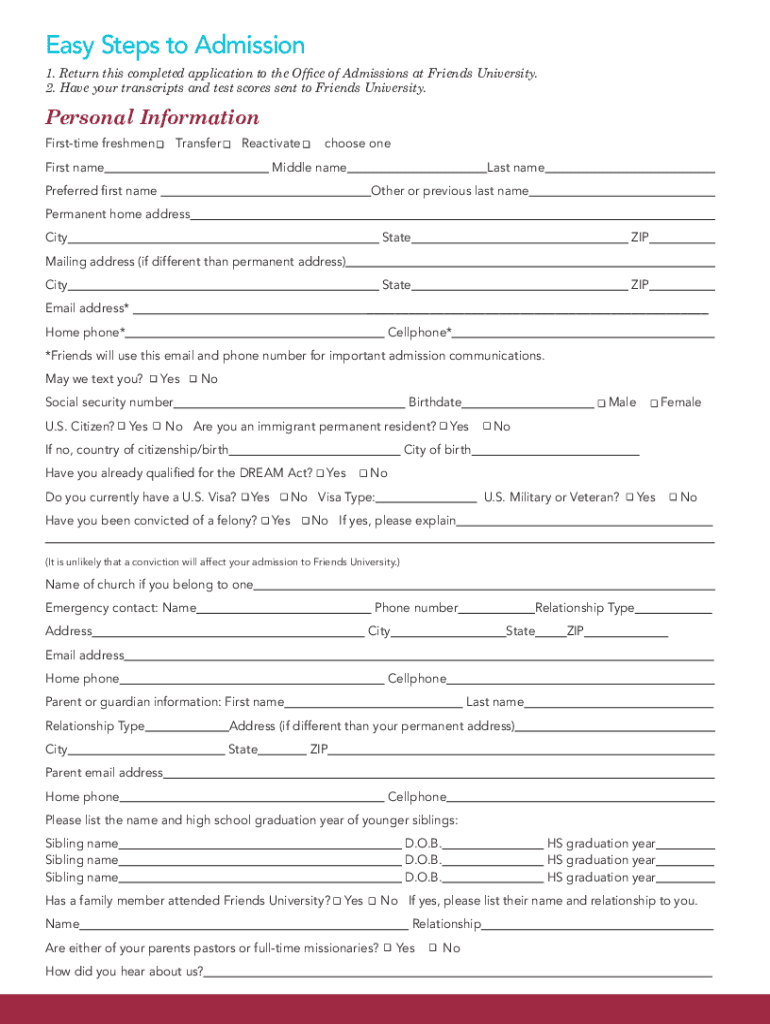







Key Elements of the First-Year Class Profile - Undergraduate Admissions
The First-Year Class Profile for undergraduate admissions is a comprehensive document that offers a detailed snapshot of incoming students at an academic institution. It typically includes demographic data, academic achievements, and extracurricular involvement, providing insight into the diversity and caliber of a new class. This profile helps prospective students understand how they might fit within the university's community, shaping their decision to apply.
-
Demographic Information: This includes data on the age, gender, and geographic distribution of the admitted students. Such information is crucial for showcasing the institution's reach and the diversity level of its student body.
-
Academic Achievements: Key metrics like average GPAs, standardized test scores, and other academic honors help illustrate the academic strength of the incoming class. These figures serve to highlight the competitive nature of admissions and set expectations for prospective students.
-
Extracurricular Activities: Information on common extracurricular interests such as sports, arts, and volunteer work offers a sense of the holistic admission approach that many universities adopt. This section underscores the importance of well-roundedness in the admissions process.
Steps to Complete the First-Year Class Profile - Undergraduate Admissions
Understanding how to accurately fill out the First-Year Class Profile can streamline the application review process for admission committees.
-
Gather Required Information: Collect all relevant personal, academic, and extracurricular information that will be needed for the profile. This includes transcripts, test scores, and details of extracurricular activities.
-
Complete Demographic Sections: Fill in all demographic data carefully to ensure accuracy. Double-check this against official identification documents to prevent errors.
-
Insert Academic Details: Enter GPA, standardized test scores, and any advanced coursework. Ensure that this information matches the data available on official transcripts.
-
Highlight Extracurricular Activities: List significant extracurricular activities, leadership roles, and any achievements. Provide details such as the duration and nature of involvement.
-
Review and Finalize: Before submitting, review the profile for accuracy and completeness. Ensure that there are no missing sections or data.
How to Obtain the First-Year Class Profile - Undergraduate Admissions
Access to the First-Year Class Profile is typically provided through several channels to interested parties.
-
University Website: Most institutions offer the class profile on their official admissions webpage. This is often the most reliable source for obtaining the most current and comprehensive data.
-
Admissions Office: Prospective students and parents can obtain the profile by contacting the admissions office directly. Some universities may provide printed materials or downloadable versions upon request.
-
Information Sessions: Attending information sessions, whether virtual or in-person, can also be a way to access the profile. Admissions representatives often distribute these profiles during events to offer detailed insight.
Important Terms Related to the First-Year Class Profile - Undergraduate Admissions
Certain terminologies are essential for understanding and accurately interpreting the data presented within the First-Year Class Profile.
-
Yield Rate: This refers to the percentage of admitted students who decide to enroll. A high yield rate indicates the institution's desirability.
-
Test-Optional: Schools that do not require standardized test scores as part of the admissions process fall under this category, which could be reflected in the class profile.
-
Holistic Review: This is an admissions approach that assesses applicants on multiple factors, including academics, extracurriculars, and personal essays.
Why Use the First-Year Class Profile - Undergraduate Admissions
The First-Year Class Profile serves several key purposes for different stakeholders within the academic community.
-
Prospective Students: Helps them determine if the institution aligns with their interests and capabilities, assisting in the decision-making process for applications.
-
Admissions Committees: Provides data to measure the success of recruitment strategies and helps in assessing whether they meet institutional diversity and academic goals.
-
Institutional Benchmarking: Offers a means for colleges to compare themselves against peer institutions, potentially guiding future admissions strategies and improvements.
Who Typically Uses the First-Year Class Profile - Undergraduate Admissions
A variety of stakeholders make use of the First-Year Class Profile for differing reasons, each benefiting from the specific insights it provides.
-
Prospective Students and Families: They use the profile to assess whether their academic and extracurricular backgrounds are competitive.
-
Guidance Counselors: Counselors use this document to advise students on suitable college applications based on past admission trends.
-
Institutional Researchers: They may analyze the profile to support institutional planning and policy development focusing on recruitment and retention strategies.


Examples of Using the First-Year Class Profile - Undergraduate Admissions
Real-world scenarios demonstrate the utility and impact of the First-Year Class Profile.
-
Case Study for Diversity Initiatives: By analyzing changes in demographic trends over several years, a university can evaluate the effectiveness of its diversity initiatives and recruitment tactics.
-
Benchmarking Academic Standards: Another example involves a student comparing their GPA and test scores to the profile average to gauge alignment with typically accepted students' academic standards.
Required Documents for The First-Year Class Profile
Several key documents are integral for accurately completing the First-Year Class Profile.
-
High School Transcripts: These typically provide comprehensive academic records, including GPA and class rank.
-
Standardized Test Scores: SAT, ACT, or other relevant test scores may be required, depending on the institution's admissions policy.
-
Letters of Recommendation: These can provide qualitative insights that supplement the quantitative data in the profile.
-
Personal Essay: It gives context regarding personal achievements and challenges, adding depth to the profile data.




