
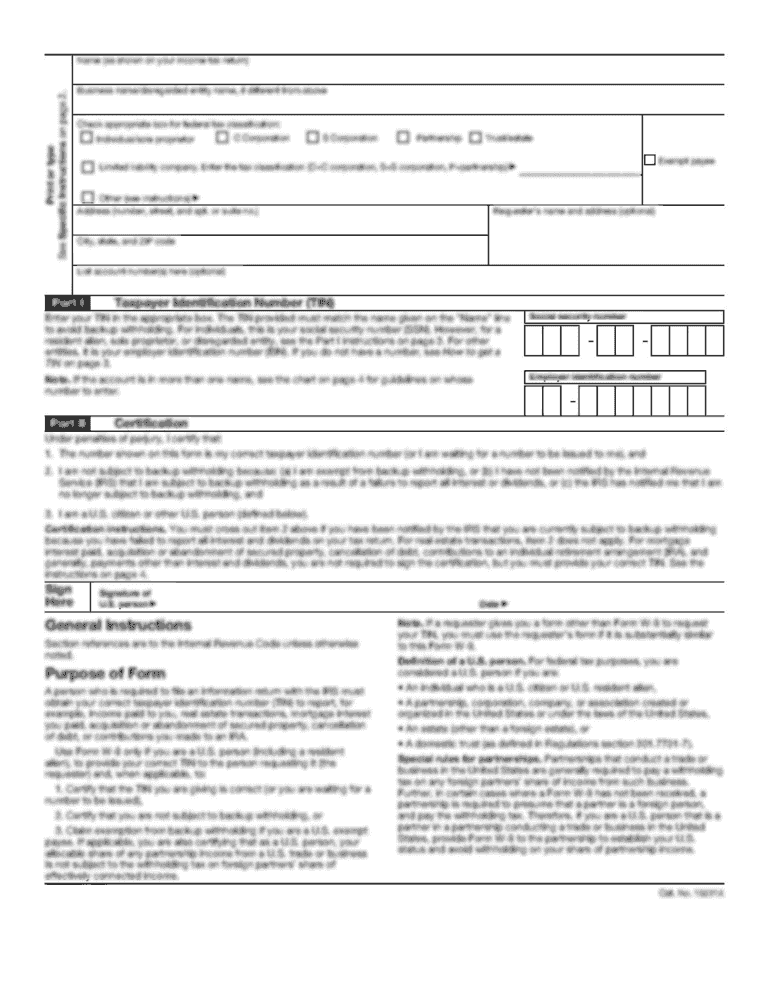







Definition & Purpose of Form F
Form F, also known as the nomination form, is an essential document used by employees to nominate beneficiaries for receiving gratuity payments under the Payment of Gratuity Act, 1972. This form plays a crucial role in ensuring that the designated individuals, typically family members, receive gratuity payments in the event of the employee's death. It includes critical sections that gather personal details of the employee, information about the nominees, declarations related to the family status, and certification by the employer. By filling out Form F, employees can have peace of mind knowing that their hard-earned gratuity will be allocated according to their specific wishes, thereby preventing any potential disputes among family members.
How to Use Form F Effectively
Utilizing Form F effectively requires a detailed understanding of its sections and the nuances of gratuity payments. Start by familiarizing yourself with the form layout to ensure that all necessary information, such as personal and nominee details, is accurately filled in. Pay close attention to sections that specify the percentage of gratuity each nominee will receive. This allocation should be clear and reflect your intentions. Furthermore, use the declaration section to update any changes in your family status, such as marriage or new children, which might affect the distribution of gratuity. Consultation with a workplace benefits adviser could provide further clarity on how to complete the form correctly, ensuring that all legal criteria are met, and thereby protecting the interests of all parties involved.
Steps to Complete Form F
Completing Form F involves several key steps to ensure it is filled out accurately and comprehensively:
-
Gather Personal Information: Start by collecting all necessary personal details, including your full name, address, and employee identification number.
-
Nominee Details: List the full names, addresses, and relationships of all nominees. Specify the proportion of gratuity each nominee is to receive.
-
Declarations: Fill out the declaration section carefully, noting any significant family status changes that might impact your nominee choices.
-
Employer Certification: Once completed, present the form to your employer for certification. This step validates that the form has been filled out per company policy and legal requirements.
-
Review: Double-check the form for any errors or omissions before submission to ensure that all details are correct.
-
Submission: Finally, submit the form through the appropriate internal channels, typically the HR department, to be officially recorded and filed.
Who Typically Uses Form F
Form F is predominantly used by employees in various industries eligible for gratuity under the Payment of Gratuity Act, 1972. This includes, but is not limited to, employees in corporate sectors, government jobs, educational institutions, and healthcare services. Typically, individuals nearing retirement age or those with significant tenure in their company are most interested in completing Form F to ensure their gratuity benefits are properly allocated. Employers also have a vested interest in ensuring employees are aware of and complete this form to fulfill legal obligations and maintain transparent employee benefit records.
Key Elements of Form F
Form F comprises several key elements that require careful attention:
- Employee Information: Includes fields for entering personal identification details that uniquely identify the employee.
- Nominee Details: Designed to record comprehensive information about each nominated beneficiary, which ensures accurate distribution of benefits.
- Relationship Declaration: Used to specify the relationship between the employee and each nominee, serving as a guide for understanding the allocation of gratuity.
- Proportion of Share: A critical section where employees outline what percentage of gratuity each nominee will receive.
- Certification by Employer: Sign-off required from the employer, confirming the form has been duly filled and reviewed in compliance with organizational protocols.
Legal Use of Form F
Form F has a firm legal basis under the Payment of Gratuity Act, 1972, which mandates that employees nominate beneficiaries to receive gratuity benefits. The form operates within the legal framework to authorize the disbursement of funds, preventing disputes posthumously. It is a legally binding document once certified by the employer and filed correctly. The legal recognition of Form F ensures that the employee's wishes regarding gratuity distribution are respected in a court of law, providing a reliable mechanism to uphold the individual's intentions even after their death. Employees should ensure they understand the legal implications of each section within the form for compliance.
Penalties for Non-Compliance
Failing to file Form F can lead to several adverse consequences both for employees and employers. For employees, the lack of a valid nomination can result in gratuity payments being delayed or distributed according to a standard legal protocol that may not align with the employees’ wishes. Moreover, companies are required by law to ensure employees have completed this form as part of their due diligence in dispensing employee benefits. Non-compliance with this requirement can lead to legal complications and potential penalties from regulatory bodies, including fines or other disciplinary actions. For peace of mind and to avoid complications, it is recommended that both parties keep an updated copy of the form on record.
State-Specific Rules for Form F
While Form F is used nationally under the Payment of Gratuity Act, 1972, specific nuances may differ by state. Certain states might have additional stipulations surrounding the submission and processing of gratuity nominations. For instance, some states may impose stricter timelines for updating nominees or have different protocols for submitting the form, especially in digital formats. Thus, employees and employers must be well-informed about any state-specific regulations that could affect the processing of Form F. Consulting with a local legal expert or human resources professional who is knowledgeable about local employment laws can help ensure that all state requirements are met.
Form Submission Methods: Online and In-Person
Form F can traditionally be submitted in person, but with advancing technology, many employers offer the convenience of online submissions. The choice between these methods depends largely on individual preference and employer capability. Online submission often involves filling out an electronic form on an employee portal or emailing a scanned copy of the completed form. This method provides quicker processing and easy access to previously submitted forms. Meanwhile, in-person submission might involve delivering a paper copy to the human resources department, providing an opportunity to discuss any questions or concerns directly with HR personnel. Regardless of the submission method chosen, ensuring confidentiality and security are maintained throughout the process is key to protecting sensitive personal information.




