





Definition & Meaning
The term "form online" refers to digital versions of traditional paper forms that have been converted into an electronic format, allowing users to complete and submit them via the internet. These forms serve a variety of purposes, from tax filing and legal submissions to job applications and personal documentation. Electronic forms provide the convenience of completing tasks remotely, reducing the need for physical paper copies and in-person submissions.
How to Use the Form Online
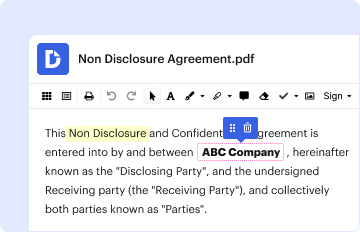
Using an online form involves several straightforward steps that utilize the platform's editing and data entry tools. Start by accessing the form through a web browser or document management system like DocHub. Once the form is open, you can fill in the required fields using text boxes, checkboxes, or dropdown menus, depending on the data required. If the form supports annotations, you can also add comments or highlight important sections. After completing the form, review your entries for accuracy, then submit the form directly through the platform’s interface.
Steps to Complete the Form Online
-
Access the Form: Retrieve the form from a dedicated website, email attachment, or a document management platform.
-
Input Information: Use the provided fields to enter the necessary data. Ensure you follow any instructions regarding specific formats or required fields.
-
Review Entries: Before submitting, make sure all entries are complete and error-free. Double-check mandatory fields to ensure nothing is missing.
-
Submit the Form: Use the platform’s submission option to send your completed form to the relevant recipient. This often involves clicking a "Submit" button or emailing the form directly from the platform.
-
Track Submission Status: If the platform allows, monitor the submission status to confirm receipt by the intended party, ensuring compliance with any deadlines or requirements.
Why Should You Form Online
Filling out forms online offers numerous benefits over traditional paper methods. It provides convenience by allowing users to complete forms from any location with internet access, thus eliminating the need for mailing or in-person delivery. Online forms reduce paper waste, promote speedier transactions, and often come with tools for ensuring accuracy and completeness. Furthermore, digital forms often integrate with document management systems, facilitating easy storage and retrieval for future reference or legal compliance.
Key Elements of the Form Online
Online forms typically consist of several key components:
- Field Types: Text boxes, checkboxes, and dropdowns collect various data inputs.
- Instructions: Guidance to ensure correct completion and submission.
- Validation Rules: Constraints that ensure mandatory fields are filled correctly.
- Submit Button: A feature for electronically submitting the form upon completion.
- Privacy Notices: Information detailing how user data will be protected or used.
Understanding these elements is critical for properly filling out and submitting the form.
Legal Use of the Form Online
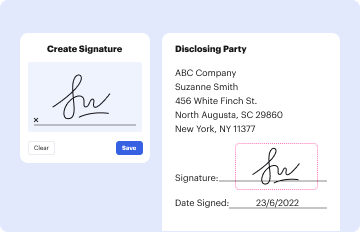
Electronic forms often come with legal considerations, such as ensuring compliance with electronic signature laws. In the United States, the ESIGN Act grants electronic signatures the same legal standing as traditional handwritten signatures. Form submitters must ensure they comply with all relevant legal requirements, which can include data protection regulations and specific procedural rules related to the type of form, such as tax documents or contractual agreements.
Examples of Using the Form Online
Forms online can be utilized across various scenarios:
- Tax Returns: Individuals use e-forms to file taxes with the Internal Revenue Service, which simplifies the submission process and expedites refunds.
- Job Applications: Employers collect candidate information via electronic forms for easier processing and evaluation.
- Legal Filings: Lawyers and clients submit digital legal documents to streamline judicial proceedings. These examples illustrate the versatility and efficiency of using forms online across different sectors.
Required Documents
When completing forms online, especially for official purposes, users may need to have several supporting documents ready. These can include:
- Identification: Such as a driver's license or passport for verification.
- Financial Records: Bank statements or tax documents, when applicable.
- Proof of Residence: Utility bills or rental agreements if residence verification is required.
Ensuring that these documents are readily available will facilitate a smoother form completion process, as many online platforms allow uploading these supportive files as part of the submission process.
Form Submission Methods (Online / Mail / In-Person)
While online submission is the most convenient and widely used method for modern forms, some situations may still require alternate submission methods:
- Online: Preferred for its speed and efficiency, often with immediate confirmation of receipt.
- Mail: Necessary when original documents need to be sent, such as those requiring original signatures or notarization.
- In-Person: Required for highly sensitive documents where personal verification of identity is crucial.
Understanding these methods allows users to choose the most appropriate way to submit their forms based on context and requirements.