



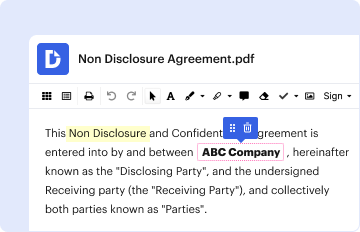
01. Edit your form online
Type text, add images, blackout confidential details, add comments, highlights and more.

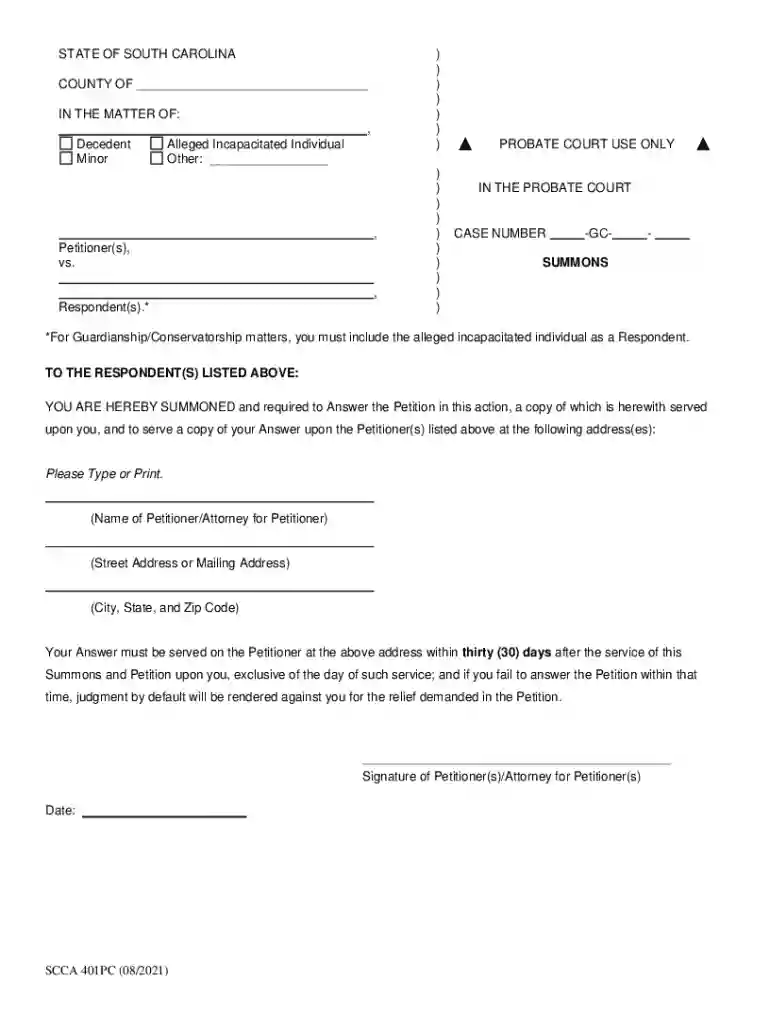
Type text, add images, blackout confidential details, add comments, highlights and more.
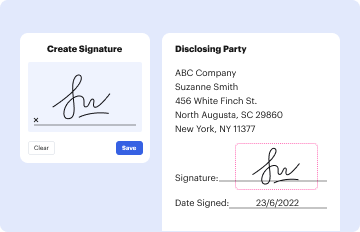
Draw your signature, type it, upload its image, or use your mobile device as a signature pad.

Send it via email, link, or fax. You can also download it, export it or print it out.
The Civil Summons Form is a crucial legal document utilized to notify individuals of a court action against them. Typically, this form serves as a formal request, compelling the recipient to respond to legal proceedings, ensuring they are aware of the case and have an opportunity to present their side. Its function is to facilitate due process, allowing for a fair trial. Understanding this form helps individuals and entities comply with legal protocols, avoiding default judgments.
The Civil Summons Form is generally used by plaintiffs, legal representatives, and court officials to initiate a lawsuit process. Plaintiffs or their attorneys complete this form when commencing legal actions to notify defendants of pending legal proceedings. Additionally, various judicial systems and clerical staff utilize this form to officially document the commencement of a legal process. Understanding who can issue and use this form aids in recognizing its legal significance,


Utilizing the Civil Summons Form effectively requires a comprehensive understanding of its components and the legal process. Here’s a step-by-step guide on how to fill out and utilize the form:
Identification of Parties: Begin by clearly identifying the plaintiff(s) and defendant(s). Include full legal names and any relevant organizational or business entity details to ensure accuracy.
Case Information: Include specific details about the case, such as the case number, the court where the case is filed, and the nature of the legal action. This establishes context and links the summons to the correct judicial process.
Filing Process: File the form with the appropriate court. Ensure it aligns with local rules and procedures for submission, whether through mail, electronic filing, or in-person submission.
Service of Process: Arrange for the delivery of the summons to the defendant. This is typically done through a legally recognized process server who provides proof of service to confirm delivery.
Response and Deadlines: The recipient must respond within the stipulated time frame, usually 30 days. Failure to do so can result in default judgment. It is critical to track these deadlines meticulously.
Filling in the blank sections of the Civil Summons Form involves several precise steps to ensure accuracy and compliance:
Download the Form: Obtain the form from the court’s official website or physical location. Legal platforms like DocHub can also facilitate this process.
Input Basic Information: Enter basic information such as court location, plaintiff and defendant details. Accuracy here is essential to avoid complications.
Add Case Details: Include relevant case information like the case number and the nature of the complaint, outlining the grounds for the legal action.
Specify Service Method: Indicate how the summons will be served to the defendant. Detailed instructions on delivery help provide a clear path for execution.
Review for Errors: Before submission, carefully review all details to ensure there are no errors. This includes verifying names, dates, and legal descriptions.
Understanding essential terms associated with the Civil Summons Form enhances comprehension and ensures correct usage. Below are some fundamental terms:
The legal use of the Civil Summons Form is governed by strict rules to ensure fairness and due process. The form must be completed and served in accordance with these legal frameworks:
Critical elements of the Civil Summons Form ensure its validity and enforceability. These components include:
State-specific rules can significantly impact how a Civil Summons Form is completed, served, and processed. Here’s an overview of general variations:
Practical real-world examples highlighting the usage of the Civil Summons Form offer valuable insights:
Each use case underscores the importance of precise completion and understanding of the legal implications surrounding the summons process.
We've got more versions of the Civil Summons Form fill in the blank form. Select the right Civil Summons Form fill in the blank version from the list and start editing it straight away!
| Versions | Form popularity | Fillable & printable |
|---|---|---|
| 2021 | 4.7 Satisfied (48 Votes) |
At DocHub, your data security is our priority. We follow HIPAA, SOC2, GDPR, and other standards, so you can work on your documents with confidence.
Mar 27, 2026 This Court Forms page is only somewhat searchable. However if you have located a form number from this guide, you can find both a PDF and a WordRead more
Summons (SUM-100) tells a party being sued (the defendant) that a court case has started and what can happen if a response is not filed in 30 days.Read more
Oct 20, 2020 Introduction. After a complaint is filed in a federal district court, it and other material are required to be served on the government.Read more


