
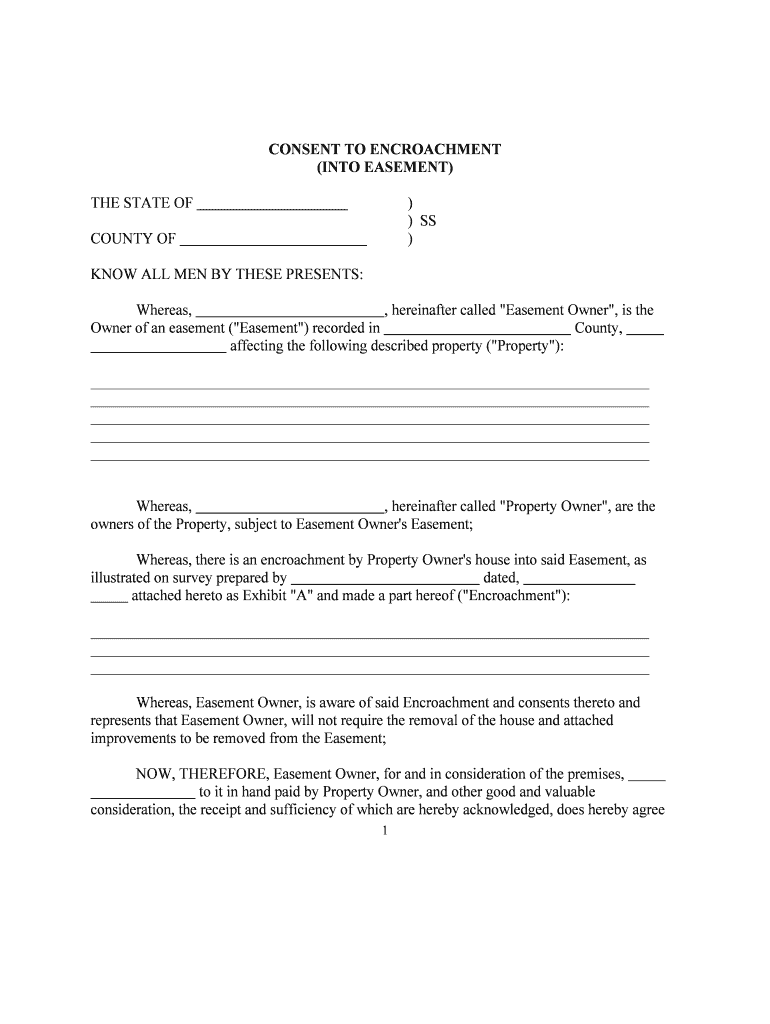







Definition & Meaning of Easement Agreement Between Neighbors
An easement agreement between neighbors is a legal document that formalizes a grant of certain rights regarding land use. It allows one property owner (the “Easement Owner”) to use a portion of another property owner's land (the “Property Owner”) for specific purposes. This arrangement typically involves rights such as path access, utility placements, or usage for drainage, all of which help define the relationship between the neighboring parcels.
When a property encroaches on another, such as a fence or a shed extending beyond the property line, the easement agreement outlines the permissions granted by the affected neighbor, ensuring both parties recognize their rights and responsibilities. This agreement can protect both neighbors from future disputes by clearly outlining the terms and conditions of the easement.
Key Elements of the Easement Agreement Between Neighbors Template
An effective easement agreement template should include several crucial elements to ensure clarity and enforceability:
- Parties Involved: Clearly identify the Easement Owner and Property Owner, including their respective addresses and contact information.
- Description of the Easement: Specify the area of land involved in the easement, including any relevant boundaries and measurements.
- Purpose: Outline the intended use of the easement, such as access, utilities, or drainage.
- Duration: Define whether the easement is temporary or permanent, including any terms for renewal or review.
- Responsibilities: Detail maintenance responsibilities and any obligations for repairs or alterations affecting the easement area.
- Transferability: Specify if the easement is transferable to future owners of the property and under what conditions.
- Dispute Resolution: Include provisions for mediation or legal action in the event of disagreements.
These components help to establish a clear framework for the relationship between neighbors, minimizing misunderstandings and legal complications.
Important Terms Related to Easement Agreement Between Neighbors Template
Understanding key terms associated with easement agreements is essential for both parties. Here are several important terms:
- Easement: A legal right to use another's land for a specific purpose.
- Encroachment: Unauthorized extension of a structure or improvement onto another property.
- Grantor: The property owner who grants the easement rights.
- Grantee: The individual who receives the rights granted by the easement.
- Run with the land: Indicates that the easement rights will continue with the property even if ownership changes.
Familiarity with these terms helps both neighbors navigate the agreement and reinforces their shared understanding of the legal provisions governing their properties.
Steps to Complete the Easement Agreement Between Neighbors Template
Creating a legally binding easement agreement involves several systematic steps:
- Define the Need for an Easement: Assess whether there is an actual need for an easement due to property use, access needs, or encroachment issues.
- Draft the Agreement: Use an easement agreement template to draft the document, incorporating all required elements specified earlier.
- Review with Neighbors: Share the drafted agreement with the other party for review. Ensure both sides understand and agree upon the terms.
- Legal Review: Consider having a legal professional review the agreement to ensure compliance with local laws and regulations.
- Signing: Once the parties agree on the terms, both should sign the document in the presence of a notary, if required by state laws.
- File the Document: Record the easement agreement with the local land records office to provide public notice of the easement.
Following these steps ensures a clear, enforceable agreement that protects the interests of both parties.
Who Typically Uses the Easement Agreement Between Neighbors Template
Easement agreements are often utilized by various parties, including:
- Homeowners: Neighboring property owners seeking to formalize land use for access or utility purposes.
- Developers: Real estate developers who need to manage property access points or shared resources for multiple lots.
- Contractors: Professionals managing construction projects that may require temporary use of adjacent properties for staging or access.
- Utility Companies: Providers needing access to install and maintain infrastructure like power lines, water pipes, or drainage systems.
Understanding the typical users of this template can help ensure that the agreement addresses their specific needs and concerns.


Legal Use of the Easement Agreement Between Neighbors Template
Easement agreements must conform to legal standards to be enforceable. Important considerations include:
- Written Documentation: Most states require easements to be documented in writing to be legally recognized.
- Consent: Both parties must voluntarily agree to the terms outlined in the easement.
- Public Policy: The easement cannot violate local zoning laws or public policy.
- Proper Recording: Filing the easement with the local government ensures that third parties are aware of the agreement.
- Exclusivity: The terms should specify whether use is exclusive and enforceable against future owners.
These legal standards help ensure that easement agreements are recognized in court and provide adequate protection for both parties involved.




