



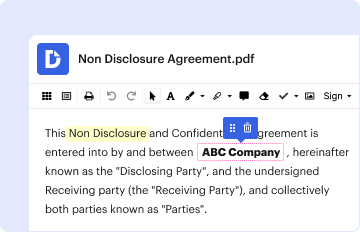
01. Edit your form online
Type text, add images, blackout confidential details, add comments, highlights and more.

Type text, add images, blackout confidential details, add comments, highlights and more.
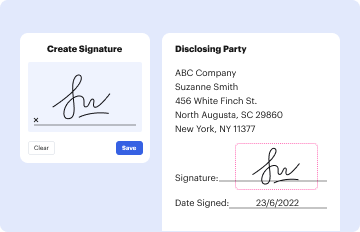
Draw your signature, type it, upload its image, or use your mobile device as a signature pad.

Send it via email, link, or fax. You can also download it, export it or print it out.
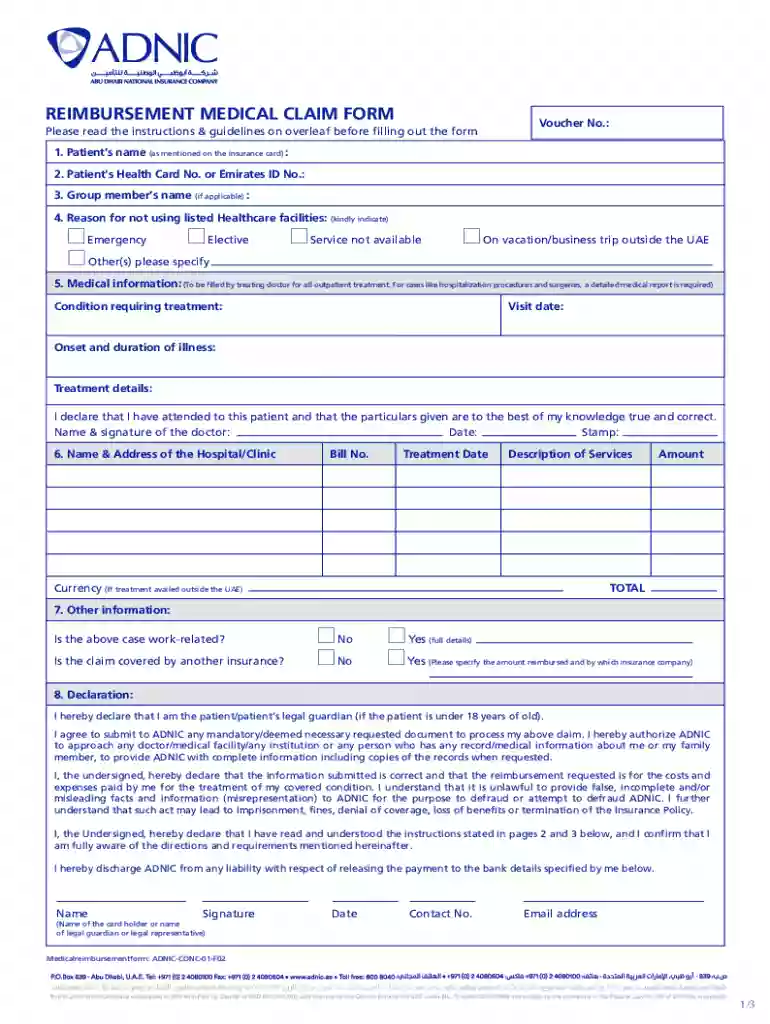
The "Member Reimbursement Medical Claim Form" is a crucial document used by individuals who seek reimbursement for medical expenses incurred during treatment. This form is primarily utilized by insurance members to claim back expenses that were initially paid out-of-pocket for medical services received. It serves as an official record that details the medical treatment provided, associated costs, and personal information of the claimant, ensuring that funds can be accurately disbursed back to the member by the insurance provider.
Understanding the form's importance is essential, as it simplifies the process of documenting and claiming reimbursements for medical emergencies or planned medical procedures. Accurate completion of this form is vital to ensure that claims are processed swiftly and efficiently, minimizing the likelihood of delays or rejections due to incomplete or incorrect information.
Individuals can typically obtain the Member Reimbursement Medical Claim Form through a variety of channels. Most insurance companies provide downloadable versions of the form on their websites, ensuring easy access for their policyholders. Additionally, the form can often be requested directly via customer service through phone calls or emails. Many businesses also use third-party platforms, such as DocHub, to streamline form distribution and collection processes, integrating digital access to forms within their client portals for convenience.
Moreover, during initial insurance policy discussions or routine interactions with the insurance provider, members may receive hard copies of the form or guidance on how to access it online. It's crucial for policyholders to keep these details handy to ensure seamless access whenever needed.
Filling out the Member Reimbursement Medical Claim Form requires careful attention to detail. Each section of the form must be completed accurately to expedite processing:
Personal Information: Begin with entering the claimant's full name, address, phone number, and email address. This information is vital for establishing contact and verifying claimant identity.
Insurance Details: Include the insurance policy number and group ID in the designated fields. Providing precise insurance details ensures that the claim is matched with the correct policy.
Medical Information: Detail the medical services received, including the provider’s name, dates of service, and specific treatments or procedures performed. This section provides the basis for the claim's validity.
Expense Breakdown: Itemize all costs associated with the service, attached with corresponding receipts or invoices. Clearly identify each charge to substantiate reimbursement requests.
Declaration and Signature: Conclude with the claimant's signature, declaring that all information provided is truthful and complete. Some forms might require an additional signature from a medical provider to confirm service authenticity.
When submitting the Member Reimbursement Medical Claim Form, several documents are required to substantiate the claim:
Failure to provide these documents can lead to delays or rejections in the claim process.
The form is predominantly utilized by insured individuals in the United States who seek to reclaim money spent on medical treatments. This includes employees covered under employer-sponsored health plans, retirees with supplemental insurance policies, and self-employed individuals who purchase private insurance. The form is also essential for dependents of policyholders who have received medical treatment. Additionally, legal guardians may use the form on behalf of minors or incapacitated adults, ensuring that all eligible medical expenses are reimbursed.


Understanding the components of the form is critical for accurate completion:
Each element of the form plays a significant role in facilitating seamless processing and approval of claims.
Members have multiple options for submitting the completed form and supporting documents:
Each method has its own advantages, and claimants can choose based on convenience and urgency.
The form must be completed and submitted in compliance with applicable legal and insurance regulations. Claimants are obliged to provide accurate and honest information. Any fraudulent claims or misrepresentations can result in severe consequences, including denial of the claim, policy cancellation, and potential legal action against the claimant. The form's use is also governed by privacy laws ensuring that the claimant's sensitive medical information is protected. Understanding and adhering to these legal requirements safeguards both the insurance provider and the member, ensuring a fair and transparent claims process.
We've got more versions of the Member Reimbursement Medical Claim Form form. Select the right Member Reimbursement Medical Claim Form version from the list and start editing it straight away!
At DocHub, your data security is our priority. We follow HIPAA, SOC2, GDPR, and other standards, so you can work on your documents with confidence.
13. Proof of Payment. A document (see Member Reimbursement Medical Claim Form) that confirms your payment. 14. Signature is Required. SIGNATURE OF INDIVIDUALRead more
Instructions for Submitting a Medi-Cal Claim Form for Beneficiary Reimbursement. (Medical or Dental Payment Refund). Who May File a Claim?Read more


