



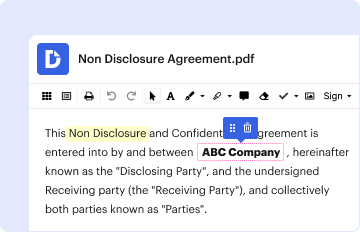
01. Edit your form online
Type text, add images, blackout confidential details, add comments, highlights and more.

Type text, add images, blackout confidential details, add comments, highlights and more.
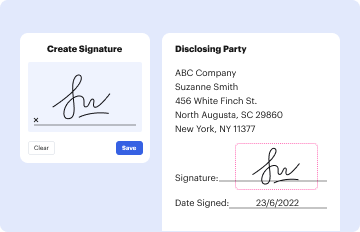
Draw your signature, type it, upload its image, or use your mobile device as a signature pad.
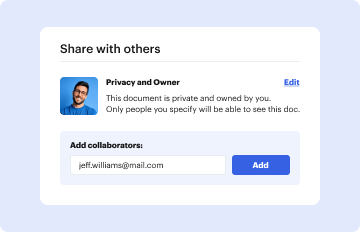
Send it via email, link, or fax. You can also download it, export it or print it out.
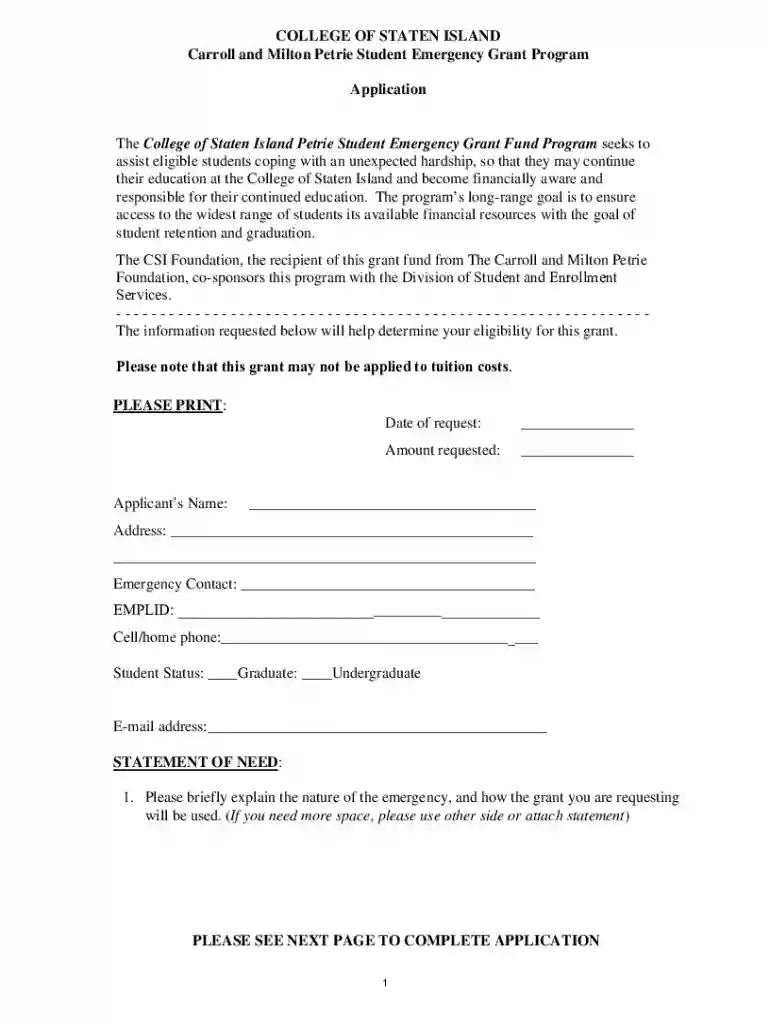
The CSI Carroll and Milton Petrie Student Emergency Grant Program Application is a form used by the College of Staten Island to provide financial assistance to students experiencing unexpected hardships. This grant program aids in student retention and graduation by offering non-tuition related emergency financial support. The program focuses on students who encounter sudden events that could impact their academic journey, ensuring they receive necessary funds to continue their education without interruption.
To access the CSI Carroll and Milton Petrie Student Emergency Grant Program Application, students typically visit the College of Staten Island's financial aid office or the institution's official website. Here's a step-by-step guide to obtaining the form:
Completing the application form involves several detailed steps to ensure all necessary information is accurately provided. Here's how you can complete the application:
Understanding who qualifies for the Carroll and Milton Petrie Student Emergency Grant is essential. The eligibility typically includes:


The application form encompasses several critical components that applicants need to address:
The process from submission to approval involves several stages, which are important for applicants to grasp:
Students must be ready to provide several documents as part of their application submission:
Several real-world scenarios illustrate how the application is utilized by students facing emergency situations:
We've got more versions of the CSI Carroll and Milton Petrie Student Emergency Grant Program Application form. Select the right CSI Carroll and Milton Petrie Student Emergency Grant Program Application version from the list and start editing it straight away!
Sure, it is possible with DocHub. This reliable and compliant online service has a phone-based signing option. When you log in to your DocHub account and add your CSI Carroll and Milton Petrie Student Emergency Grant Program Application to our editor, complete all empty fields and utilize the Sign feature on the upper barf. Click on Create your signature and select Phone from the available choices. Here, you scan a QR code with your smartphone and draw your signature on your phone display, as you normally do when approving hard copies. If you access DocHub right from your mobile device, you can eSign your template by drawing your electronic signature, adding its picture, or simply with a typed name.
You can easily edit and complete your CSI Carroll and Milton Petrie Student Emergency Grant Program Application on any iOS gadget. Open an internet browser of your liking, visit the DocHub website, authorize or create a new account, add your file for editing, and make your desired changes. Our service is mobile-friendly, so utilizing its features on your smartphone will be a no-brainer, even on the first try.
At DocHub, your data security is our priority. We follow HIPAA, SOC2, GDPR, and other standards, so you can work on your documents with confidence.
Jun 7, 2016 Carroll, Frank E. III Gina M. Carroll. United Student Aid Funds. U.S. Bankruptcy Court, Eastern District of Louisiana. Case Number Owner
The average award is $500. 718-982-2335 or studentaffairs@csi.cuny.edu Apply here: Petrie Student Emergency Grant application


