
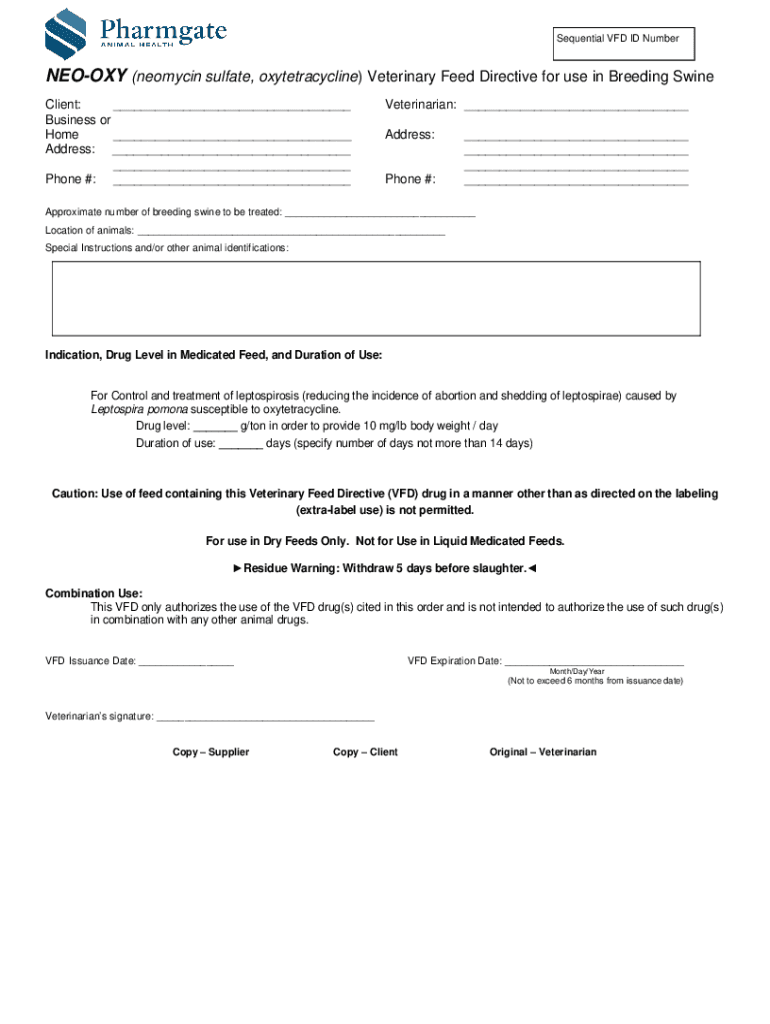







Definition and Importance of Milk & Dairy Beef Drug Residue Prevention
Milk & Dairy Beef Drug Residue Prevention is a protocol designed to ensure that milk and meat from dairy cows do not contain harmful drug residues. This is crucial for protecting consumer health, as residues can cause allergic reactions and contribute to antibiotic resistance. The program involves a combination of strategies, including proper drug administration, adherence to withdrawal periods, and regular testing.
Typical elements of this protocol include guidelines for choosing the right medications, accurate record-keeping of drug treatments, and compliance with veterinary instructions. Farmers and producers must be vigilant in following these guidelines to prevent residues and ensure the safety of dairy and beef products. Certification through such programs can enhance consumer trust and increase market access for producers.
Steps to Complete the Milk & Dairy Beef Drug Residue Prevention Protocol
-
Identify Drug Use Requirements
- Work with a veterinarian to determine the appropriate drugs necessary for herd health.
- Understand withdrawal periods for all medications to ensure they do not overlap with milk or meat production.
-
Maintain Accurate Records
- Keep detailed logs of all drug administrations, including the specific animal treated, the medication used, dosage, and dates.
- Use electronic record systems if possible to streamline data collection and retrieval.
-
Adhere to Residue Testing Procedures
- Conduct regular testing of milk and meat products for residues as stipulated by regulatory guidelines.
- Implement on-farm tests to preliminarily check for residues before sending products to processors.
Maintain consistency in following these steps by training staff and regularly reviewing procedures to ensure compliance with evolving regulations and technologies.
Legal Use and Regulatory Requirements
Legally, milk and dairy producers must adhere to food safety regulations set by bodies such as the Food and Drug Administration (FDA) and the United States Department of Agriculture (USDA). These regulations outline permissible drug use, mandated withdrawal periods, and acceptable residue levels. Violating these laws can lead to severe penalties, including fines, product recalls, and loss of market access.
Producers should engage in routine veterinary collaboration and stay updated on legislative changes affecting drug use in dairy cattle. Understanding legal nuances across different states is also imperative, as state laws may impose additional requirements on top of federal standards.
Who Typically Uses Milk & Dairy Beef Drug Residue Prevention?
The primary users of Milk & Dairy Beef Drug Residue Prevention protocols are dairy farmers, livestock producers, and meat processors. These stakeholders are responsible for ensuring that the products they produce meet food safety standards. Veterinarians play a critical advisory role in these processes, providing guidance on safe drug use and residue management.
Additionally, quality assurance managers and compliance officers within dairy companies utilize these protocols to develop and implement monitoring systems that ensure product safety and regulatory compliance. Consumers indirectly benefit from these practices as they assure the safety and quality of milk and meat products available on the market.
Key Elements of the Milk & Dairy Beef Drug Residue Prevention Protocol
- Proper Drug Handling and Administration: Ensuring that all medications are stored correctly and administered as per veterinary guidelines.
- Understanding Withdrawal Times: Clear knowledge of required times for drugs to clear from an animal's system before the animal's milk or meat enters the food supply.
- Regular Monitoring and Testing: Routine sampling and testing to detect any potential residues and take corrective measures.
- Record-Keeping and Documentation: Comprehensive documentation of all administered drugs as well as results from residue testing.
These elements work collectively to prevent contamination and protect public health.
Examples of Using the Milk & Dairy Beef Drug Residue Prevention Protocol
-
Case Study: A Family Dairy Farm
- A family-owned dairy farm implemented an electronic monitoring system to track medication usage and withdrawal periods, resulting in a significant decrease in residue violations over a five-year period.
-
Scenario: Large-Scale Processor
- A large-scale milk processing facility partnered with local producers to offer training on best practices for drug residue prevention, thereby reducing the rejection rate of milk shipments due to residue concerns.
These examples highlight the application of Milk & Dairy Beef Drug Residue Prevention practices in different operational contexts, showcasing their versatility and importance.
State-Specific Rules for Milk & Dairy Beef Drug Residue Prevention
In the United States, dairy residue regulations may vary by state. Some states have additional requirements or more stringent standards than the federal baseline set by the FDA or USDA. For instance, certain states may require more frequent testing or have dedicated state programs that provide additional resources and support for farmers.
Producers should familiarize themselves with the local regulations in their respective states and potentially engage with state agricultural agencies to ensure full compliance. Participating in state-specific quality assurance programs can also provide added verification and consumer assurance.
Required Documentation for Compliance
To comply with Milk & Dairy Beef Drug Residue Prevention protocols, the following documents are typically required:
- Veterinary Prescriptions: Proof of veterinary consultation and prescribed medications.
- Drug Administration Logs: Detailed records of all administered treatments including dosages, times, and specific animals.
- Testing Results: Documentation of test results confirming the absence of residues in milk and meat products.
- Training Certifications: Evidence of employee education on drug administration and residue prevention protocols.
These documents not only support compliance but also serve as valuable records in the event of audits or inspections.




