



01. Edit your form online
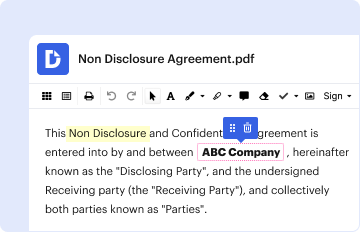
Type text, add images, blackout confidential details, add comments, highlights and more.

Type text, add images, blackout confidential details, add comments, highlights and more.
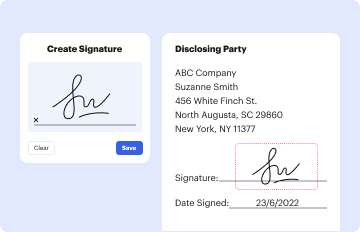
Draw your signature, type it, upload its image, or use your mobile device as a signature pad.

Send it via email, link, or fax. You can also download it, export it or print it out.
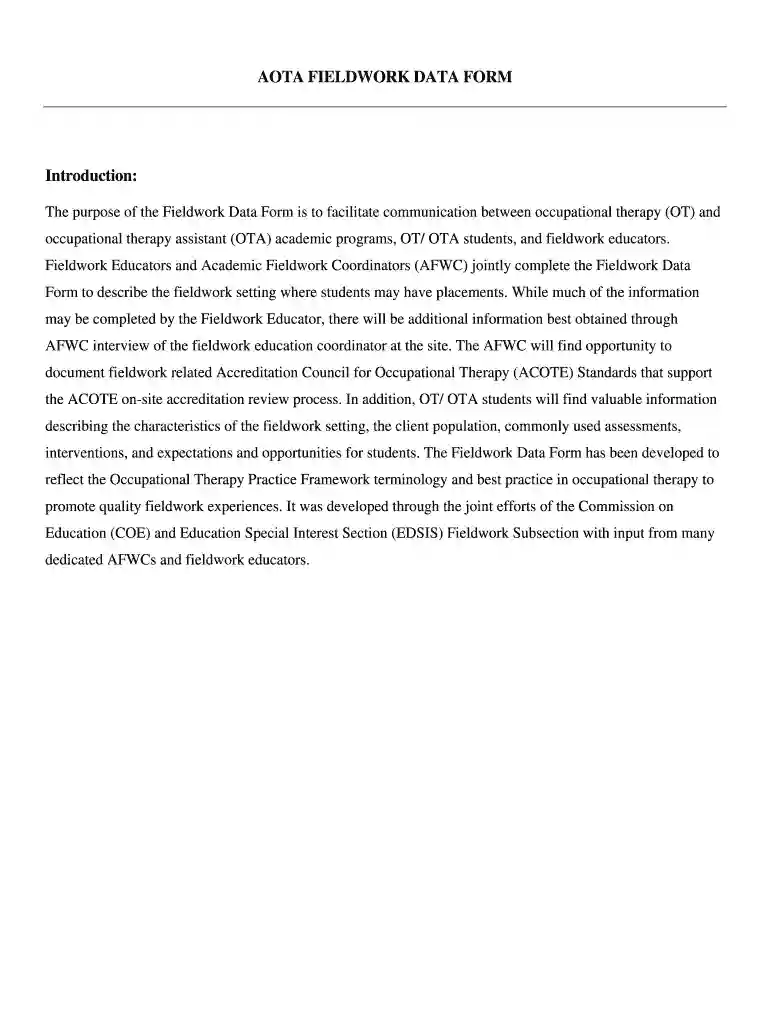
The AOTA Fieldwork Data Form - Vanderbilt University Medical Center is a vital document designed to foster collaboration between occupational therapy programs and fieldwork educators. This comprehensive form facilitates detailed documentation of fieldwork settings, highlighting essential aspects such as the facility's environment, available resources, and the staff involved in student education. It is aligned with the standards set by the Accreditation Council for Occupational Therapy Education (ACOTE) to ensure a quality learning experience for occupational therapy students. By capturing diverse elements of fieldwork settings, the form supports effective communication and coordination among all stakeholders.
To effectively use the AOTA Fieldwork Data Form - Vanderbilt University Medical Center, begin by familiarizing yourself with its sections, which cover facility details, client demographics, and educational opportunities. Each section requires accurate and thorough information to ensure the form's effectiveness.
Completing these sections with precision will facilitate seamless interactions between academic programs and fieldwork sites.
Completing the AOTA Fieldwork Data Form involves a structured approach to maintain accuracy and comprehensiveness:
Following these steps ensures the form fully captures the scope of the fieldwork setting, promoting effective educational experiences.
The key components of the AOTA Fieldwork Data Form include:
Each element is crucial for establishing a clear understanding of the fieldwork site and ensuring it meets educational standards.
Real-world examples illustrate the form's application in diverse settings:
These examples demonstrate the form's role in outlining specific educational experiences across different occupational therapy environments.
The form primarily serves:
Each user group benefits from the form's structured approach to capturing fieldwork details, ensuring comprehensive preparation and expectation management.


DocHub's platform can enhance the AOTA Fieldwork Data Form by transforming it into a fillable document. This involves:
By utilizing DocHub, the form can be effectively managed, shared, and completed digitally, improving efficiency across users.
The completed form complies with legal standards and ensures the accuracy of data shared between academic institutions and fieldwork sites. Its structured approach facilitates transparency and accountability in documenting fieldwork settings.
These legal considerations highlight the importance of using the form responsibly and in alignment with institutional protocols.
When preparing to complete the AOTA Fieldwork Data Form, have the following documents ready:
Having these documents ensures that all sections of the form are accurately populated, supporting a comprehensive fieldwork representation.
We've got more versions of the AOTA Fieldwork Data Form - Vanderbilt University Medical Center form. Select the right AOTA Fieldwork Data Form - Vanderbilt University Medical Center version from the list and start editing it straight away!
At DocHub, your data security is our priority. We follow HIPAA, SOC2, GDPR, and other standards, so you can work on your documents with confidence.
by BJ Chycinski 2023 Cited by 4 The Fieldwork Educator Competency Module was developed specifically for this pilot study with the focus on increasing perceived fieldwork educator preparedness.Read more
by EW Espiritu 2020 Cited by 3 Vanderbilt University Medical Center. Natalie N. Michaels. Belmont and wording of the items was based on the AOTA Fieldwork PerformanceRead more


