



Definition and Meaning of Form Online
Online forms are digital versions of traditional paper forms, designed to simplify the process of collecting, sharing, and managing information over the internet. Evolving alongside advancements in technology, these forms are often used for a wide range of purposes, such as applications, surveys, registrations, and data collection. They are engineered to offer a convenient, efficient, and eco-friendly alternative to their physical counterparts, eliminating the need for printing and manual data entry.
Common Use Cases
- Applications: Schools, employers, and service providers frequently use online forms to capture application details.
- Surveys: Organizations use them to conduct market research and gather customer feedback.
- Registrations: Event organizers employ online forms to register participants and collect relevant details.
- Data Collection: Businesses utilize them to gather client information for CRM systems.
How to Use the Form Online
Effectively using a form online involves several straightforward steps, from accessing it to finalizing and submitting the content. This process ensures seamless execution regardless of the user's technical expertise.
- Access: Locate and open the form through a website, email, or document management platform like DocHub.
- Input Information: Fill in required fields with accurate data, using any instructions or prompts the form provides.
- Review: Double-check entries for completeness and correctness before moving forward.
- Submission: Follow on-screen prompts to submit the form and receive confirmation of successful delivery.
Best Practices for Users
- Ensure Security: Check the form's security features, such as SSL encryption, before entering sensitive data.
- Save Progress: If possible, use forms that allow saving progress, especially for lengthy submissions.
- Verify Requirements: Confirm any additional documentation necessary for completion or submission.
How to Obtain the Form Online
The acquisition of an online form varies depending on its nature and purpose. Here are key methods to access and acquire these forms:
- Download from Websites: Forms hosted on official websites, like a government portal or corporate site, can often be directly downloaded or filled online.
- Email Distribution: Forms might be distributed via email links or attachments for specific purposes, such as job applications.
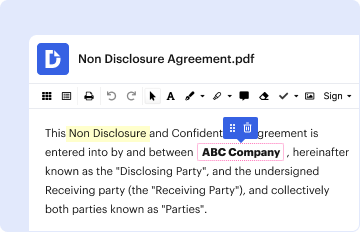
- Document Management Systems: Platforms like DocHub offer features to create and customize forms directly within their system.
Steps to Complete the Form Online
Completing an online form accurately and efficiently involves a series of methodical steps:
- Understand the Requirements: Familiarize yourself with the purpose and required inputs of the form.
- Gather Information: Prepare all necessary information and supplementary documents before starting.
- Fill Out Sections: Enter details in each section, paying attention to required fields and specific formats (e.g., dates).
- Validate Entries: Make use of integrated error checks or validation tools to ensure correctness.
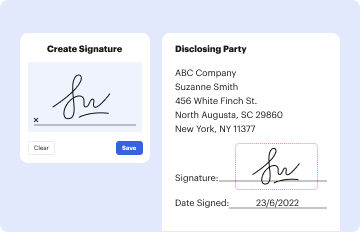
- Certify and Sign: Use electronic signature options where required to authorize the form.
- Submit and Follow Up: Complete the submission process and save any confirmation screens or emails for record-keeping.
Key Elements of Form Online
Online forms comprise various elements designed to capture data efficiently and intuitively. Understanding these elements can enhance your ability to interact with them effectively.
- Text Fields: For capturing open-ended responses or specific data like names and addresses.
- Dropdown Menus: Provide a list of options from which the user can select.
- Checkboxes and Radio Buttons: Allow users to select one or multiple choices as applicable.
- Validation Checks: Alerts that help ensure data is entered correctly, such as email format confirmation.
- Digital Signatures: Used for authentication and securing document integrity.
Legal Use of Form Online
Understanding the legal framework surrounding online forms is crucial for ensuring compliance and enforceability. Online forms used within the U.S. must adhere to specific legislative requirements to be deemed legally valid.
Compliance with Legislation
- ESIGN Act: Governs the use of electronic signatures, ensuring they are legally binding.
- Data Privacy Laws: Comply with regulations like the GDPR or CCPA to protect personal data.
Who Typically Uses Form Online
A broad range of individuals and organizations rely on online forms due to their versatility and convenience:
- Businesses: For client information gathering, order forms, and feedback collection.
- Educational Institutions: To collect applications, registration data, and feedback.
- Government Agencies: For processing applications, permits, and recordkeeping.
- Nonprofits: For memberships, donations, and volunteer registrations.
Digital vs. Paper Version
Understanding the benefits and considerations of digital versus paper forms can aid in making informed choices:
Advantages of Digital Forms
- Eco-Friendliness: Reduces paper usage and waste.
- Efficiency: Enables faster processing and broader accessibility.
- Data Management: Simplifies data collation, analysis, and storage.
Considerations for Digital Use
- Technology Access: Requires internet and device access, which can be a barrier for some users.
- Security Concerns: Necessitates measures to protect sensitive digital data.
Software Compatibility
DocHub and similar platforms integrate online forms with software ecosystems for enhanced functionality:
- Google Workspace: Seamless integration for importing and exporting forms and documents.
- Financial Software: Compatibility with programs like TurboTax for ease of tax-related form handling.
In conclusion, online forms are a vital component of modern data management, offering ease, efficiency, and accessibility across various domains. Through understanding their applications, components, and legal considerations, users can utilize these tools effectively to meet their diverse needs.