



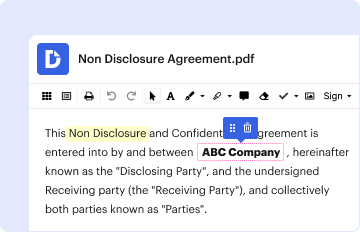
01. Edit your form online
Type text, add images, blackout confidential details, add comments, highlights and more.

Type text, add images, blackout confidential details, add comments, highlights and more.
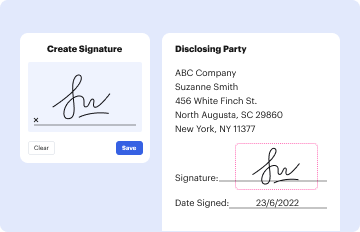
Draw your signature, type it, upload its image, or use your mobile device as a signature pad.
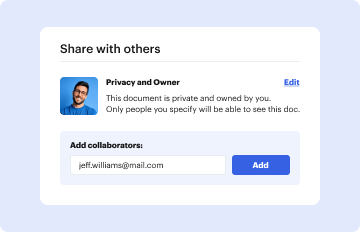
Send it via email, link, or fax. You can also download it, export it or print it out.
The forwarding address form is a document utilized by residents or tenants to provide their new address information before moving out of a property. Its primary purpose is to ensure that security deposits are returned accurately and efficiently. This form captures essential details such as residents' names, current and forwarding addresses, phone numbers, and the allocation percentage of the security deposit for each resident. It serves as a critical means to facilitate smooth financial settlements and communications after tenants vacate a property.
To effectively use the forwarding address form, residents should first ensure they have all necessary information at hand. This involves gathering personal details including full names, current addresses, and contact numbers. Additionally, residents should determine how the security deposit is to be divided among co-tenants, if applicable. Once the form is completed, it should be submitted to the Office of Real Estate & Property Management. This process ensures the timely return of the security deposit and assists property managers in contacting former residents if needed.
Ensuring all fields are accurately completed is crucial to prevent miscommunication and processing delays.
The forwarding address form typically comprises several critical components necessary for processing:
This structured format helps in maintaining clarity and efficiency in the document’s processing.
In the United States, the forwarding address form holds legal significance as it pertains to lease agreements and the return of security deposits. Under lease terms, tenants are typically required to inform their landlord or property management about their new address to facilitate the refund of security deposits. Failure to complete and submit this form may result in delays or complications in receiving refunds. It's an essential legal step to conclude tenancy responsibly and in compliance with rental agreements.
While the general structure of a forwarding address form is similar across states, there might be specific regulations or additional requirements based on state laws:
Tenants should be aware of their state-specific rules to ensure compliance and avoid any legal discrepancies.
Imagine a scenario where multiple roommates share an apartment. As the lease term concludes, they need to provide a new address for deposit return. By filling out a joint forwarding address form, they ensure each person receives their share, and communication remains seamless post-relocation.
Another example is a tenant relocating to another state. By promptly submitting their forwarding address form, they ensure that their security deposit and important documents are sent to their new address without unnecessary delays or complications.
Residents have several options for submitting their completed forwarding address forms, accommodating different preferences:
These varied submission options provide flexibility and convenience, enhancing the user experience while ensuring the efficient processing of the document.
We've got more versions of the forwarding address form form. Select the right forwarding address form version from the list and start editing it straight away!
| Versions | Form popularity | Fillable & printable |
|---|---|---|
| 2009 | 4 Satisfied (40 Votes) |
If you often work with documents stored in your Google Drive, DocHub is a superb solution for you to easily and quickly fill out, modify, and sign them. This editor integrates well with Google apps, so you can export your forwarding address form from your Google Drive to the editor without the need of downloading and re-uploading it. Right-click on your document, choose Open With → DocHub PDF Sign and Edit. In our editor, add and assign Signature Fields for all people involved, then click on the Menu button above → Send → select how you want to share your paperwork.
You need only a web connection and a web browser to fill out your forwarding address form by using an iOS phone. Open the DocHub website and authenticate. Then, add your document or choose it from the list in your dashboard. Then use our editing tools to fill out your form and preserve all your adjustments. You may also send it to a specified recipient immediately.
At DocHub, your data security is our priority. We follow HIPAA, SOC2, GDPR, and other standards, so you can work on your documents with confidence.
Apr 15, 2026 Let the post office know you are going to change your address and want your mail forwarded to your new location. You can go to: USPS.com/move toRead more
NO POSTAGE. NECESSARY. IF MAILED. IN THE. UNITED STATES. NOTE: PRINT the City, State, and ZIP Code of your OLD address on the line provided below.Read more
source-address: Source address in the forwarding entry of a multicast route. group-address: Group address in the forwarding entry of a multicast route.Read more


