




01. Edit your form online
Type text, add images, blackout confidential details, add comments, highlights and more.

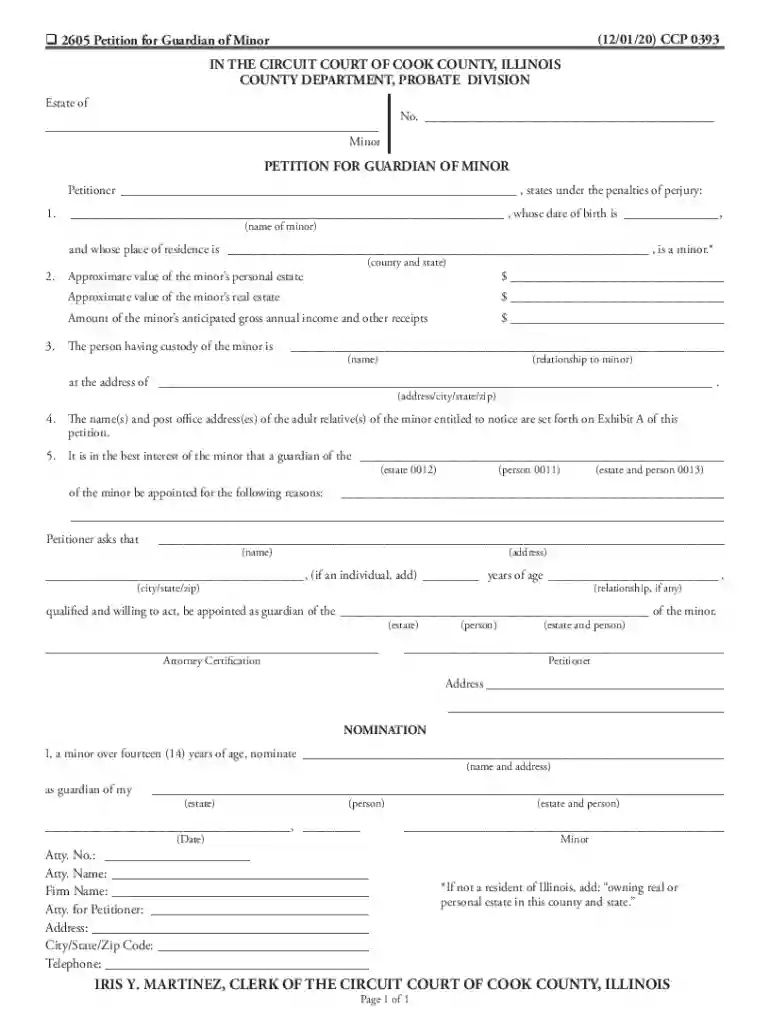
Type text, add images, blackout confidential details, add comments, highlights and more.

Draw your signature, type it, upload its image, or use your mobile device as a signature pad.

Send it via email, link, or fax. You can also download it, export it or print it out.
The Petition for Probate of Will and for Letters of Administration is a legal document used in the probate process, where the court is requested to certify a will as valid. This petition essentially serves as a formal request to officially recognize the executor named in the will, or in cases where no executor is named, to appoint an administrator to manage the decedent's estate. By filing this petition, individuals seek court permission to manage and distribute the assets of a deceased person according to their will or state laws if no will exists.
To effectively use the Petition for Probate of Will and for Letters of Administration, it is essential to first ensure that all elements of the document are completed accurately. Typically, the executor or a potential administrator initiates this process by gathering relevant personal information about the deceased and the estate. This includes the decedent's name, date of death, and a list of assets and liabilities. After preparing the petition, it should be submitted to the probate court in the county where the decedent lived. Proper use of this petition allows the executor or administrator to gain legal authority over the estate's affairs.
Collect Information: Gather all necessary details about the deceased, including the death certificate and details of the estate.
Complete the Petition: Fill out the form thoroughly, ensuring that the will and any additional documents are attached.
File with the Court: Submit the petition to the appropriate probate court with any required fees.
Notify Interested Parties: Send notices to heirs and beneficiaries about the filing to give them an opportunity to respond.
Attend the Hearing: If required, appear in court for the probate hearing to address any questions or concerns.
Obtain the Letters of Administration: Once approved by the court, these letters serve as your legal authority to manage the estate.
Filing a Petition for Probate of Will and for Letters of Administration is crucial for legally managing and distributing a deceased person’s estate. Without court validation, the executor or administrator lacks the legal authority to pay debts, distribute assets, or manage the decedent’s financial affairs. Ensuring court oversight can also help prevent disputes among beneficiaries and provides a clear legal framework to guide the estate administration process, ensuring all actions are conducted according to the deceased’s wishes or state law.
Decedent Information: Full legal name and last known address.
Estate Details: An inventory of assets and liabilities, including property and financial accounts.
Heirs and Beneficiaries: Names and contact details of those entitled to inherit.
Executor/Administrator Details: Information about the individual petitioning to manage the estate.
Legal Attachments: The last will, if applicable, must be accompanied by affidavits or witness statements confirming its validity.
The Petition for Probate of Will and for Letters of Administration is legally utilized to commence the formal probate process. By proving the will’s legitimacy, the document empowers the executor to settle the estate in accordance with the deceased’s directives. In the absence of a will, it permits the appointment of an administrator to handle intestate succession. This document is crucial for executing estate management functions, including paying outstanding debts, filing final tax returns, and distributing assets to lawful heirs.
While the core purpose of the Petition for Probate of Will and for Letters of Administration is consistent across the United States, specific procedures and requirements can vary by state. Some states may have distinct forms, filing procedures, or notification rules. For instance, the necessity for a probate hearing may differ from one jurisdiction to another. Always refer to the local rules of the probate court in the state where the decedent resided to ensure compliance and proper execution of the petition process.
Timeliness in the probate process is crucial. Most states have stipulated time frames from the date of the decedent’s death within which the petition should be filed—often within a few months. Late submission can lead to additional legal challenges or complications in managing the estate. Familiarize yourself with these deadlines to avoid penalties and ensure a smooth probate process. Keeping track of key dates such as scheduled hearings and publication notices is equally important in adhering to procedural requirements.
We've got more versions of the PETITION FOR PROBATE OF WILL AND FOR LETTERS OF form. Select the right PETITION FOR PROBATE OF WILL AND FOR LETTERS OF version from the list and start editing it straight away!
At DocHub, your data security is our priority. We follow HIPAA, SOC2, GDPR, and other standards, so you can work on your documents with confidence.
In October, Smith filed a petition to probate the will, supported by a proof of subscribing witness, executed by Ms. Shin.
Jul 1, 2017 Lost Will and for Letters Testamentary. Lost Will and for Letters of Administration with Will Annexed. HEARING DATE AND TIME: DEPT.: bRead more


