




01. Edit your form online
Type text, add images, blackout confidential details, add comments, highlights and more.

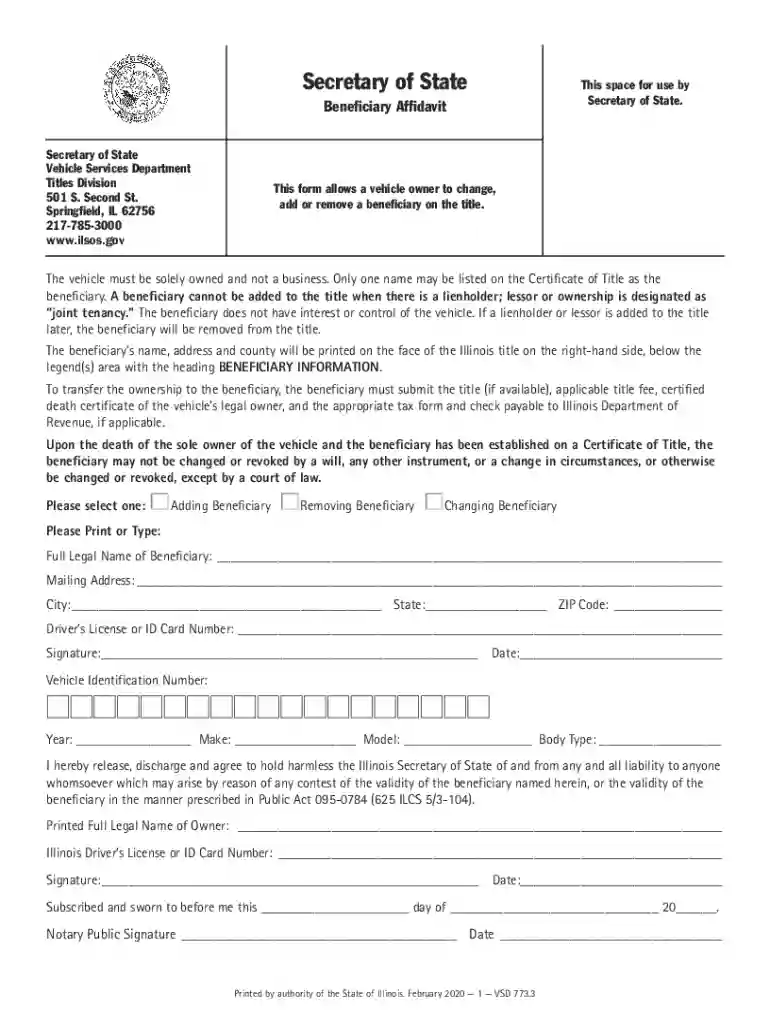
Type text, add images, blackout confidential details, add comments, highlights and more.

Draw your signature, type it, upload its image, or use your mobile device as a signature pad.

Send it via email, link, or fax. You can also download it, export it or print it out.
Title and registration vehicle services pertain to the administrative processes required for the legal operation of vehicles. These services focus on ensuring that vehicle ownership is properly documented and the vehicle is legally authorized to operate on public roads. It involves recording the ownership details, assigning a unique vehicle identification number (VIN), and issuing license plates. Registration and title services safeguard the interests of both vehicle owners and the state, ensuring all parties abide by necessary legal and tax obligations.
Title and registration vehicle services are used to officially record the ownership and operational status of a vehicle. To utilize these services, vehicle owners must contact their local Department of Motor Vehicles (DMV) or equivalent state department. Owners will need to submit personal identification, proof of vehicle purchase or ownership history, and financial details like loan documents if applicable. These services are vital for vehicle sale transactions, transfers of ownership, and ensuring roadworthiness compliance.
Obtaining these services involves several steps:
Completing the title and registration vehicle services involves detailed procedures to ensure correct and lawful completion:
Utilizing title and registration vehicle services is critical to:
Each state in the U.S. has specific rules that govern title and registration services:
To complete title and registration vehicle services, prepare:
There are various ways to submit forms for title and registration services:
We've got more versions of the Title and Registration Vehicle Services form. Select the right Title and Registration Vehicle Services version from the list and start editing it straight away!
At DocHub, your data security is our priority. We follow HIPAA, SOC2, GDPR, and other standards, so you can work on your documents with confidence.
Use this form to register a vehicle, renew a vehicle registration, change a registration, replace a lost or damaged item, transfer plates or get a title. SeeRead more
Title transfer fees vary DocHubly by state, ranging from $8 to over $100 in 2025. Extra costs such as sales tax and registration fees are often added toRead more
A county clerk may request assistance with vehicle registration, renewal of registrations, and services pursuant to 55-6-104(a)(1) from a neighboring countyRead more


