



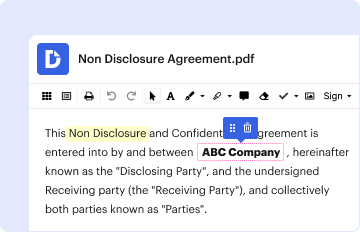
01. Edit your form online
Type text, add images, blackout confidential details, add comments, highlights and more.

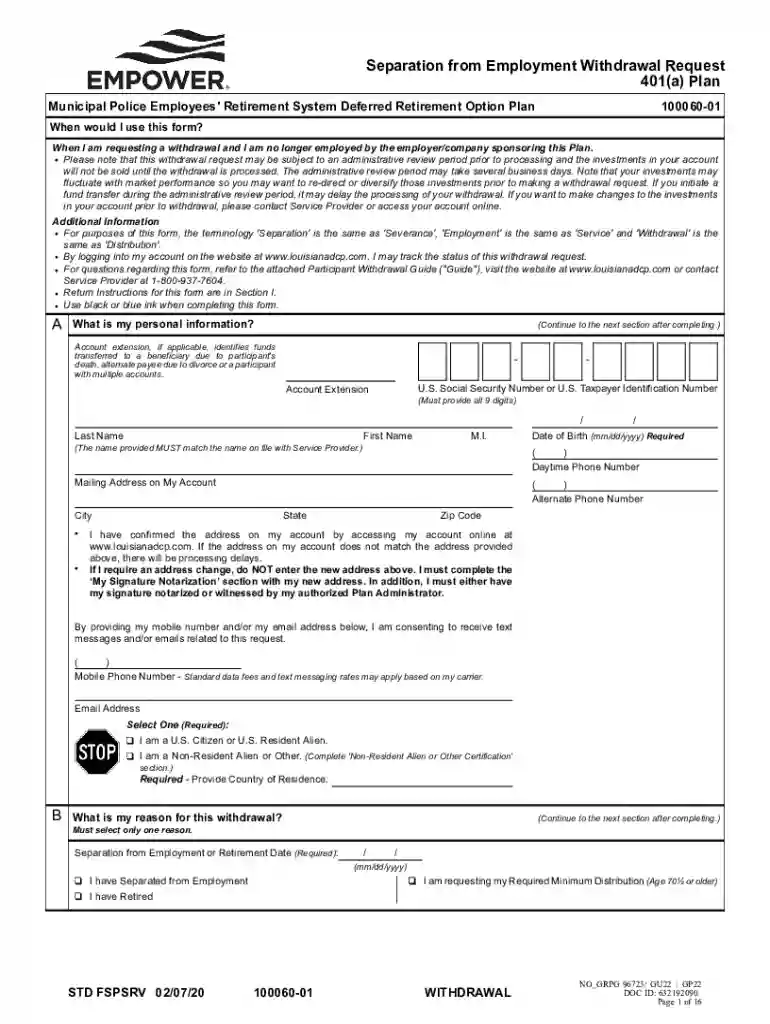
Type text, add images, blackout confidential details, add comments, highlights and more.
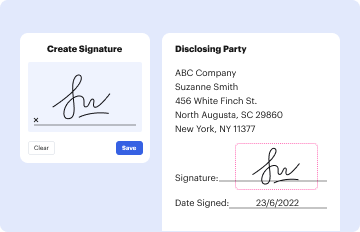
Draw your signature, type it, upload its image, or use your mobile device as a signature pad.

Send it via email, link, or fax. You can also download it, export it or print it out.
"Plans 1 and 2 Withdrawal of Retirement Contributions" refer to the processes and forms necessary for individuals to request distributions from their retirement accounts, specifically within certain retirement plans. These withdrawals allow plan participants to access their contributions and any accrued benefits upon meeting eligibility requirements such as retirement, separation from service, or other triggering events. This process is crucial for individuals who need to liquidate their retirement savings either as a lump sum or through periodic distributions. Understanding the underlying mechanisms and implications is essential for making informed financial decisions.
The usage of Plans 1 and 2 Withdrawal of Retirement Contributions involves several critical steps, ensuring accuracy and compliance. First, individuals should confirm their eligibility by reviewing the terms of their specific retirement plans. Once eligibility is established, the next step is completing the withdrawal form, which typically requires providing personal identification details, specifying the type of withdrawal, and indicating the payment method.
It's important to consult with financial advisors to determine the most advantageous withdrawal strategy, considering tax implications and retirement needs.
Completing the form for withdrawing retirement contributions requires careful attention to detail. Follow these steps for a successful submission:
These steps ensure that the withdrawal process is executed smoothly, minimizing the chances of processing delays or errors.
Understanding the terminology associated with the withdrawal process helps avoid confusion and errors. Key terms include:
Familiarity with these terms facilitates a smoother navigation of the withdrawal application and potential conversations with financial advisors.
Legally, withdrawing retirement contributions involves complying with IRS regulations and adhering to the specific plan rules. The withdrawals must meet qualifying conditions, such as being the result of retirement, disability, or another approved circumstance. Failing to meet these criteria can result in significant penalties and tax consequences.
The use of the withdrawal form must also follow standards to ensure that funds are dispersed correctly and to the rightful account holder. Legal use extends to maintaining detailed records and documentation for any audits or reviews by plan administrators or tax authorities.
To successfully process a withdrawal request, specific documents are generally required:
Ensuring that all required documents are included will help streamline the withdrawal process, preventing unnecessary delays.
Typically, these forms are used by individuals who are retiring or have experienced a separation from employment.
Understanding the target users helps in ensuring that communication surrounding these withdrawals is clear and user-friendly.


Different taxpayer scenarios can affect how and when to utilize the Plans 1 and 2 Withdrawal of Retirement Contributions:
Evaluating these scenarios provides insights into personalized retirement strategies and tax reporting considerations.

The Internal Revenue Service (IRS) establishes guidelines and regulations for retirement plan withdrawals, ensuring legal compliance and appropriate taxation. These guidelines specify conditions under which penalties are applied, such as a 10% penalty for early withdrawals (under 59½), and detail processes for reporting income received through such distributions on federal tax returns.
These guidelines serve as a baseline for understanding the tax implications and requirements associated with retirement contribution withdrawals.
We've got more versions of the Plans 1 and 2 Withdrawal of Retirement Contributions form. Select the right Plans 1 and 2 Withdrawal of Retirement Contributions version from the list and start editing it straight away!
At DocHub, your data security is our priority. We follow HIPAA, SOC2, GDPR, and other standards, so you can work on your documents with confidence.
T. Rowe Price, a global investment management firm dedicated to helping clients achieve long term success.
As a 403(b) defined contribution plan, you make tax-deferred contributions that lower your taxes today and allow your investments to grow tax free untilRead more
Plan 1 or Plan 2 members use this form to withdraw their own retirement contributions. This is not a retirement application for a pension benefit.Read more


