
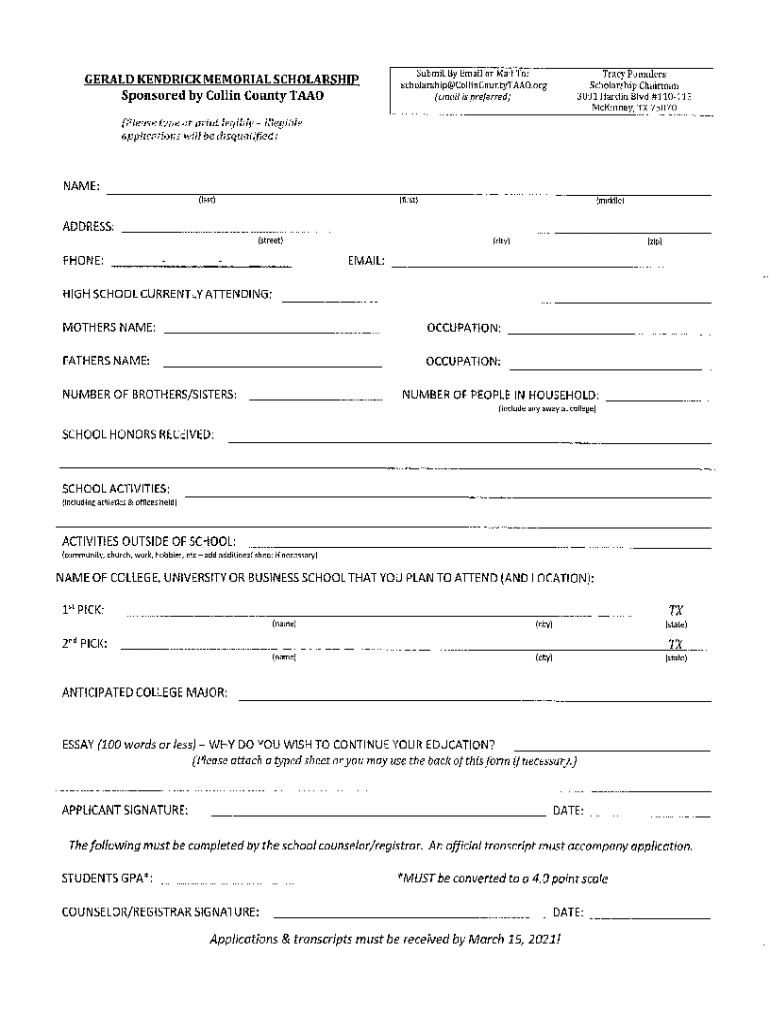







Definition and Meaning of "Form Online"
An online form is a digital version of a paper form that allows users to enter information and submit it electronically. It is typically used for data collection, registration processes, surveys, applications, and transactions. Unlike traditional forms requiring manual completion and submission, online forms streamline these processes by allowing users to fill them out on their computers or mobile devices. This method increases efficiency and accuracy, as the entered data is often directly integrated into a database or content management system.
How to Use the Form Online
Using an online form involves several straightforward steps that make the process user-friendly:
- Access the Form: Online forms are usually accessible through a link provided on a website or via email. Simply click on the link to open the form in your web browser.
- Fill Out Required Fields: Enter your information into the relevant fields, which may include text boxes, dropdown menus, radio buttons, and checkboxes.
- Review Your Data: Before submission, review the entered data to ensure accuracy and completeness. Many online forms include a summary screen to facilitate this step.
- Submit the Form: Once satisfied with your input, click the submit button to send your data to the intended recipient.
How to Obtain the Form Online
Obtaining an online form is a hassle-free process:
- Visit the Provider's Website: Forms are typically available on the official website of the organization offering the service or facilitating the process.
- Download or Access the Form Link: Depending on the service, you may need to download the form directly to your device or access it through a secure online portal.
Steps to Complete the Form Online
- Locate the Online Form: Find the appropriate form for your needs by navigating through the website’s menu or using the search function.
- Open the Form: Once located, open the form, usually presented in a user-friendly format.
- Enter Data Carefully: Input your information accurately into each designated field. Compulsory fields may be marked with an asterisk or other indicator.
- Provide Necessary Attachments: Some forms require additional documentation. Attach any necessary files as instructed.
- Review Entries Again: Double-check all provided details for errors or omissions.
- Submit the Form Electronically: After ensuring accuracy, proceed to the final step by clicking the submit button.
Why Should You Form Online
The convenience of filling out and submitting forms online offers several benefits:
- Efficiency: Streamlines processes by eliminating the need for manual data entry and reducing processing times.
- Accuracy: Automated checks can catch common input errors, improving data quality.
- Accessibility: Forms are accessible 24/7 from anywhere with an internet connection, allowing users to complete them at their convenience.
- Cost-effective: Reduces the need for paper, printing, and postage.
Who Typically Uses the Form Online
Online forms are widely utilized by a diverse range of individuals and organizations:
- Individuals: For personal needs like job applications, college admissions, and service registrations.
- Businesses: To collect customer feedback, facilitate project submissions, or manage employee information.
- Government Agencies: To streamline public services and interactions with citizens, such as tax filing or license applications.


Key Elements of the Form Online
Online forms are composed of several key elements, ensuring functional and user-friendly interactions:
- Input Fields: For entering text or numerical information, such as names, addresses, or identification numbers.
- Selection Options: Dropdown menus, radio buttons, and checkboxes for selecting predefined options.
- Validation Checks: Ensures that input data meets specific criteria and formats.
- Submit Button: A clickable button that finalizes the form submission.
Legal Use of the Form Online
Legal use of online forms requires compliance with applicable regulations and practices:
- Privacy Laws: Forms must comply with privacy laws like the General Data Protection Regulation (GDPR) or the California Consumer Privacy Act (CCPA) by protecting user data.
- Electronic Signatures Legality: Online forms often include digital signature options that must comply with the Electronic Signatures in Global and National Commerce Act (ESIGN Act) to be legally binding.
Examples of Using the Form Online
Several practical scenarios demonstrate the utility of online forms:
- Job Applications: Applicants submit personal and professional information electronically for consideration.
- Customer Surveys: Businesses disseminate surveys to collect feedback on products or services.
- Event Registrations: Organizers gather participant details for conferences, workshops, or sporting events.
Form Submission Methods (Online / Mail / In-Person)
Online forms offer diverse submission methods tailored to varying user preferences and needs:
- Digital Submission: Completed directly through a web portal or email.
- Mail-in Options: For users who prefer a physical copy, some forms may still be downloaded, printed, and posted.
- In-person Submission: Certain forms can be printed and submitted in person when physical presence or verification is necessary.
Penalties for Non-Compliance
Failure to submit required forms or provide accurate information can lead to penalties:
- Monetary Fines: Certain forms, particularly those related to taxes or government reporting, may carry fines for late or inaccurate submissions.
- Legal Consequences: Non-compliance could result in further legal actions, depending on the nature of the form and jurisdiction.
Software Compatibility and Integration
Online forms are often compatible with various software tools:
- Integration with Office Suites: Tools like Microsoft Office or Google Workspace facilitate easier data management and processing.
- Accounting Software: Programs such as QuickBooks or TurboTax often integrate with financial forms to streamline data entry and submission.
Taxpayer Scenarios: Specific Use Cases
Different taxpayers may use online forms for varied purposes:
- Self-employed Individuals: Use tax forms to report annual income and expenses.
- Students: Apply for education-related grants or scholarships.
- Businesses: File state and federal tax returns or report payroll information.
This comprehensive coverage outlines the detailed aspects of using, accessing, and understanding online forms, providing valuable insights and practical instructions for a wide range of uses and applications.





