



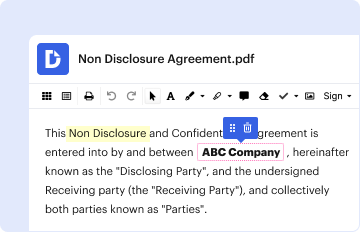
01. Edit your form online
Type text, add images, blackout confidential details, add comments, highlights and more.

Type text, add images, blackout confidential details, add comments, highlights and more.
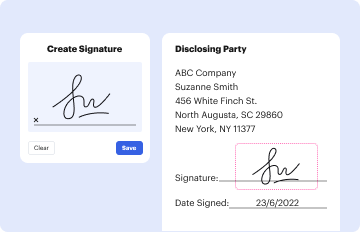
Draw your signature, type it, upload its image, or use your mobile device as a signature pad.
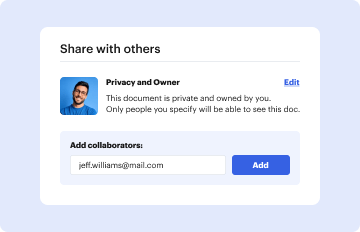
Send it via email, link, or fax. You can also download it, export it or print it out.
The "New Teacher Mentor Program Checklist 2" is a structured document designed to facilitate collaboration between new teachers and their mentors. This checklist serves as a tool to guide discussions on crucial teaching topics from November to January. It emphasizes areas such as instructional coaching, holiday guidelines, evaluation processes, and curriculum pacing. The aim is to provide a flexible framework that can be customized to meet individual needs, ensuring that new teachers receive comprehensive support as they transition into their roles.
Utilizing the checklist effectively involves a collaborative effort between the mentor and the new teacher. The document should be used as a conversation starter, helping to identify areas where the new teacher may require additional support or resources. The mentor should guide the teacher through the checklist, addressing each topic in detail, and encourage documenting outcomes of discussions. This ensures that all necessary areas are covered and provides a record of progress and areas for future focus.
Completing the checklist involves several strategic steps to ensure all relevant aspects of the teacher’s development are covered. The process should be systematic and thorough to maximize the benefits of the program.
The checklist is a valuable resource for creating a supportive environment for new teachers. It helps in:
Several elements form the foundation of the checklist, each designed to address specific needs of new teachers.
This checklist is predominantly used by:


In practice, the checklist can be leveraged in various educational settings to optimize teacher support:
While the checklist is generally applicable, certain states might have specific guidelines or additional elements based on regional educational standards.
Recognizing these nuances enhances the checklist’s effectiveness by tailoring it to meet regional needs while adhering to the overarching goals of supporting new teachers.
We've got more versions of the New Teacher Mentor Program CHECKList 2 form. Select the right New Teacher Mentor Program CHECKList 2 version from the list and start editing it straight away!
| Versions | Form popularity | Fillable & printable |
|---|---|---|
| 2015 | 4 Satisfied (22 Votes) |
Most eSignature services require users to have a paid subscription. With DocHub, there are two options for you to create an electronic signature to your New Teacher Mentor Program CHECKList 2 free of charge:
The second option, though, has restrictions on the number of signatures, sign requests, emails, and forms for editing available per month. You can check for full information here.
You need only an internet connection and a web browser to complete your New Teacher Mentor Program CHECKList 2 on an iOS phone. Open the DocHub website and authenticate. Then, add your file or choose it from the list in your dashboard. Then use our editing instruments to complete your form and preserve all your adjustments. You may also send it to a dedicated recipient right away.
At DocHub, your data security is our priority. We follow HIPAA, SOC2, GDPR, and other standards, so you can work on your documents with confidence.
During the first week: Confer with the teacher candidate daily. Orient the teacher candidate to the. Provide daily feedback on the.Read more
Aug 3, 2018 This document is packed with suggestions to help you make the most of your mentoring conversations with new-to-the-building/-districtRead more
Mentoring in higher education: Issues to be addressed in developing a mentoring program. Paper presented at the Australian Association for Research in Education


