



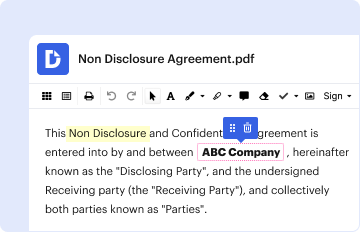
01. Edit your form online
Type text, add images, blackout confidential details, add comments, highlights and more.

Type text, add images, blackout confidential details, add comments, highlights and more.
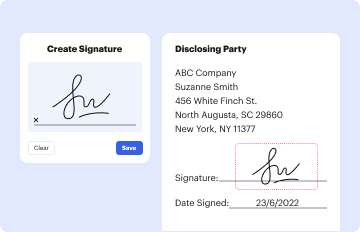
Draw your signature, type it, upload its image, or use your mobile device as a signature pad.
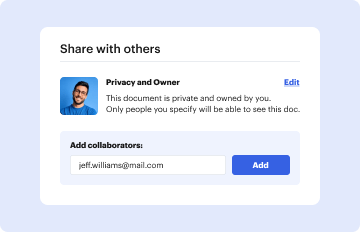
Send it via email, link, or fax. You can also download it, export it or print it out.
Gratitude lesson plan objectives refer to the specific goals and outcomes that educators aim to achieve when teaching the concept of gratitude to students. These objectives provide a framework that guides the instructional approach, ensuring that the lesson activities align with the desired educational outcomes. The objectives focus on cultivating students' understanding of gratitude, fostering appreciation for others' kindness, and encouraging self-reflection on what they are thankful for.
Teachers use gratitude lesson plan objectives to craft sessions that integrate various learning activities aimed at achieving these goals. Effective utilization of these objectives includes:
Completing gratitude lesson plan objectives involves structured steps that teachers can follow to ensure comprehensive delivery:
Gratitude lesson plan objectives are predominantly used by educators in educational institutions ranging from elementary to high schools. However, they can also be implemented in non-traditional educational settings such as workshops or community programs:


Understanding key terms related to gratitude lesson plan objectives can enhance the execution of these lessons:
Practical examples illustrate how these objectives can be integrated into classroom activities:
Educators can choose between digital and paper formats to fit their teaching style and resources:
Although gratitude lesson plan objectives are generally applicable across different educational settings, it's essential to consider state-specific educational regulations and standards, which may dictate certain teaching approaches or require supplementary approvals for lesson plans and materials used within public education systems.
We've got more versions of the gratitude lesson plan objectives form. Select the right gratitude lesson plan objectives version from the list and start editing it straight away!
| Versions | Form popularity | Fillable & printable |
|---|---|---|
| 2010 | 4.6 Satisfied (55 Votes) |
At DocHub, your data security is our priority. We follow HIPAA, SOC2, GDPR, and other standards, so you can work on your documents with confidence.
Jan 28, 2025 Learning Objective 3. We will be understanding our work/life balance and how we can incorporate more selfcare. Learning Objective 2. We willRead more
by M Yoshida 2022 Cited by 10 This study introduced gratitude messages into the academic online communication of university students and specifically examined the community.Read more
From Life to Gratitude: In the lesson This Is How We Grow Up, we used vivid pictures and videos to show the birth and growth of animals like chickens, frogs,


